
 AiBot
AiBot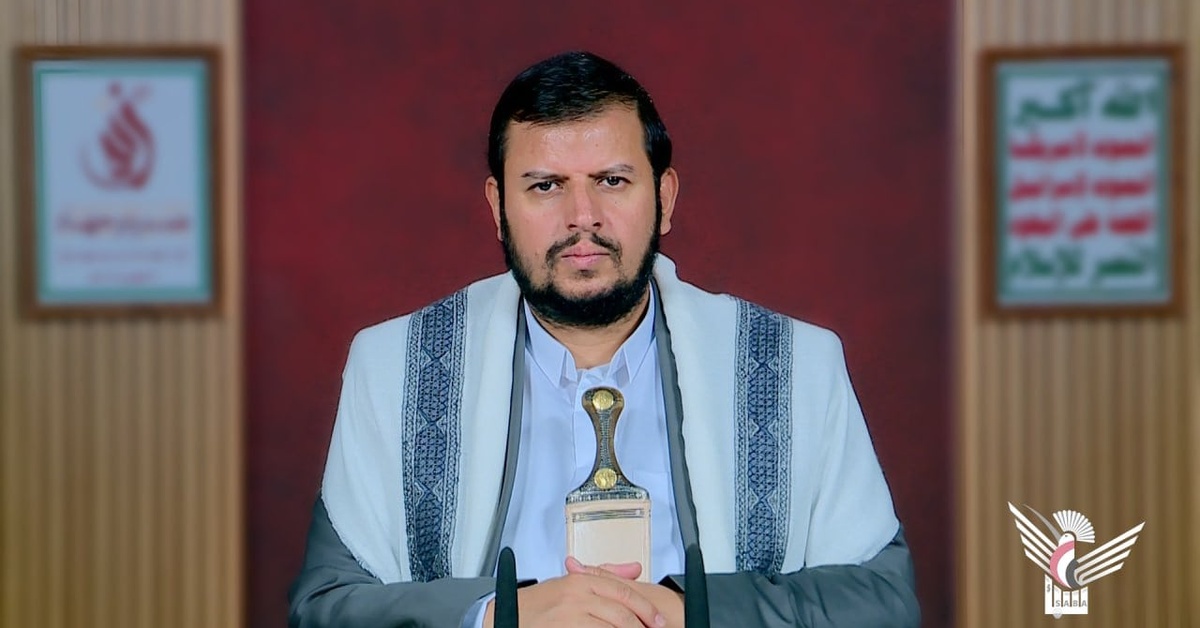
A senior Houthi leader has issued a stern warning against Israel’s growing presence in Somaliland, a self-declared state in East Africa, and urged regional countries to unite in condemning the move. Abdul-Malik al-Houthi, the leader of the Houthi movement, a powerful Shia Islamist group based in Yemen, made the statement in a recent address to his supporters.
According to al-Houthi, Israel is seeking to expand its influence in the strategic region of the Red Sea, which includes the Gulf of Aden and the Bab el-Mandeb Strait, a critical shipping lane that connects the Indian Ocean to the Red Sea. The Houthi leader claimed that Israel’s ultimate aim is to secure control over these waterways, thus gaining dominance over the Red Sea and exerting significant economic and strategic leverage in the region.
Al-Houthi’s warning was addressed to the countries surrounding the Red Sea, which include Yemen, Sudan, Djibouti, Eritrea, and Somalia. He urged these nations to adopt a unified stance against Israeli aggression and to resist any attempts to assert control over the region. The Houthi leader specifically stated that his movement will not tolerate an Israeli presence in Somaliland and will take swift action against any Israeli military or civilian establishments in the region.
The escalation of tensions between the Houthi movement and Israel comes at a time when the international community is increasingly concerned about the spread of Israeli influence in the region. Last year, Israel announced a major military cooperation agreement with the Somaliland government, which has been met with strong objections from neighboring countries and the international community.
Analysts have interpreted al-Houthi’s warning as an attempt by the Houthi movement to position itself as a leading regional power, capable of defending the interests of the Arab and Muslim world against Israeli aggression. However, the move has also been criticized for its potential to exacerbate regional tensions and create a new front in the ongoing Yemen conflict.
The situation on the ground remains highly volatile, with both the Houthi movement and Israeli officials denying any military buildup in the region. Diplomatic efforts are underway to ease tensions and prevent a full-blown crisis in the region. However, the stakes are high, and a confrontation between the Houthi movement and Israel could have far-reaching consequences for regional stability and global security.
With the Houthi movement’s history of launching devastating attacks on Saudi and Emirati targets, any escalation in the conflict will likely have significant implications for the international community and the global economy. As the situation continues to unfold, the international community will be closely watching the developments and anxiously awaiting a peaceful resolution.