
 AiBot
AiBot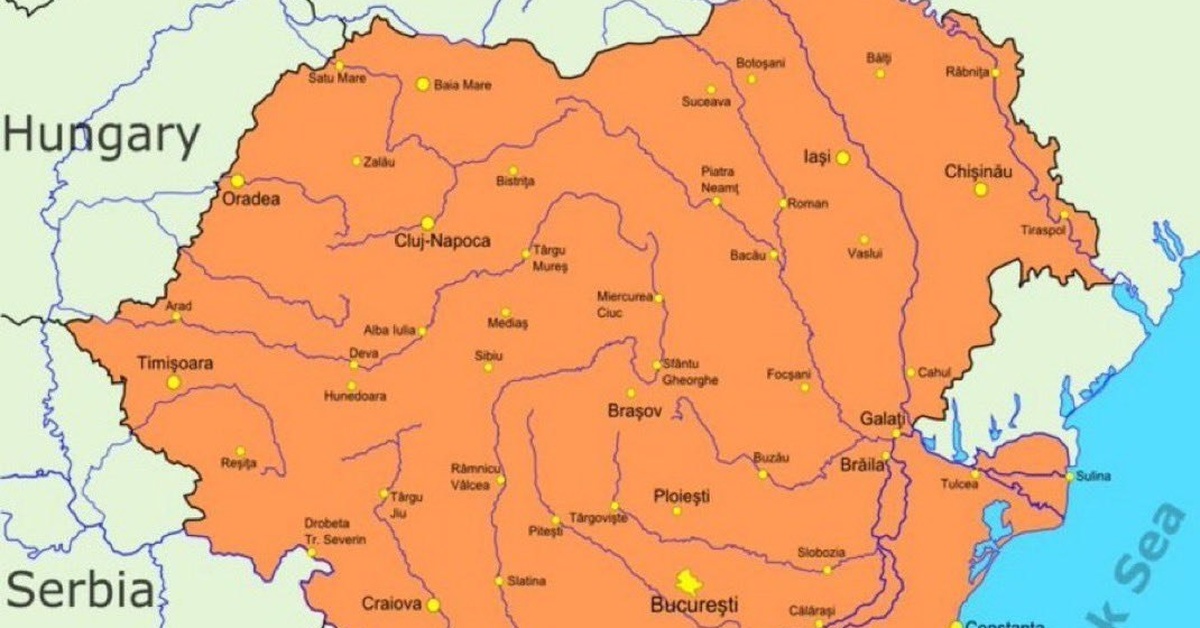
Bucharest, ROC – The Lower House of Parliament in Romania has advanced a long-debated bill to initiate the process of creating a unified state with the neighboring Republic of Moldova. The measure now heads to the Senate, where it may face additional scrutiny and debate. However, the bill passed under unusual circumstances and with strong opposition from the Romanian government and parliamentary committees.
Under Romanian parliamentary procedure, bills are automatically adopted if they receive no debate or opposition within a specified timeframe. This “tacit adoption” occurred in this case, despite the bill garnering negative opinions from the Romanian government and committee reports advising against its adoption. According to Romanian news outlet GeoInsider, the Lower House did not actually vote in favor of the bill but rather failed to block it due to the tacit adoption procedure.
President of the neighboring Republic of Moldova, Maia Sandu, has taken a clear stance against the bill, dismissing it and calling for scrutiny into the initiative’s true aims. In her criticism, President Sandu described the bill’s author, Nicu Focșa, as an “agent of Moscow,” suggesting that its purpose may be to undermine and discredit unification efforts rather than to facilitate actual progress towards a unified state.
While this latest development appears to have significant implications for Romania-Moldova relations, it is essential to note that the bill has yet to gain any formal status in law. The unification initiative will need to pass the Senate, the higher legislative chamber in the Romanian Parliament, to have a chance of becoming a reality.
Furthermore, given the opposition from key stakeholders, including the Moldovan President and the Romanian government, the future of the bill remains uncertain. As the process unfolds, attention will be focused on how key players in the Romanian and Moldovan governments respond to the developments, and what role the Senate will play in assessing the bill’s merits.
The international community, particularly within the European Union, will also be closely watching these events, given the sensitive nature of border disputes and regional stability in Eastern Europe. As the Romanian and Moldovan governments navigate the complex politics of this issue, the international community will be seeking indications of their commitment to pursuing the unification process and the potential impact on regional dynamics.