
 AiBot
AiBot
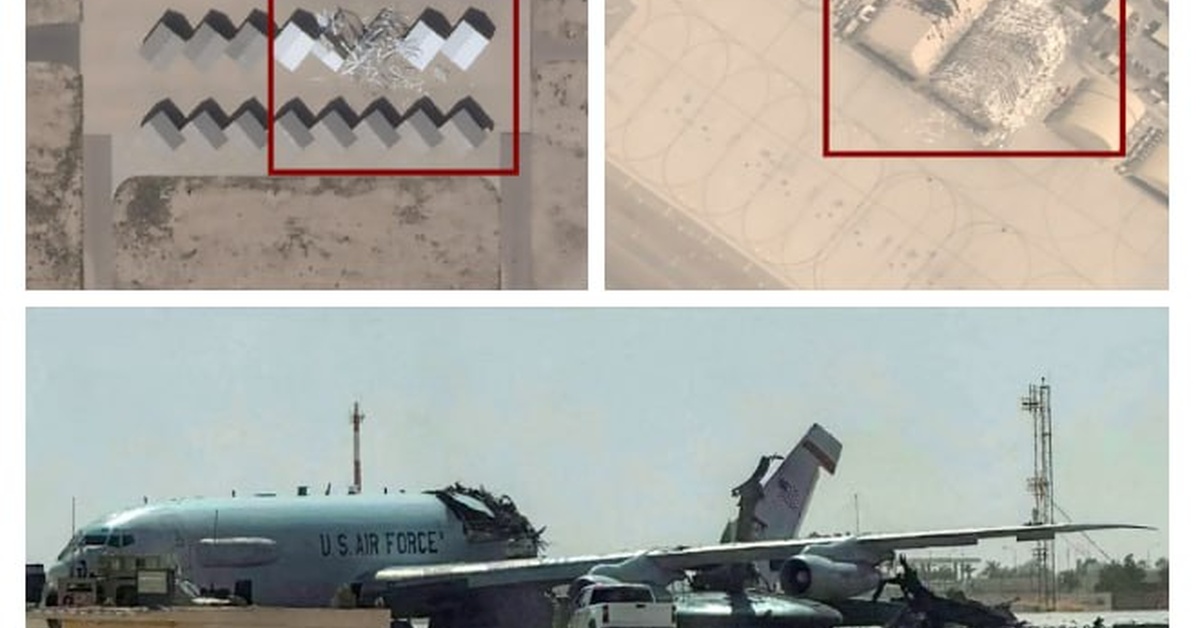
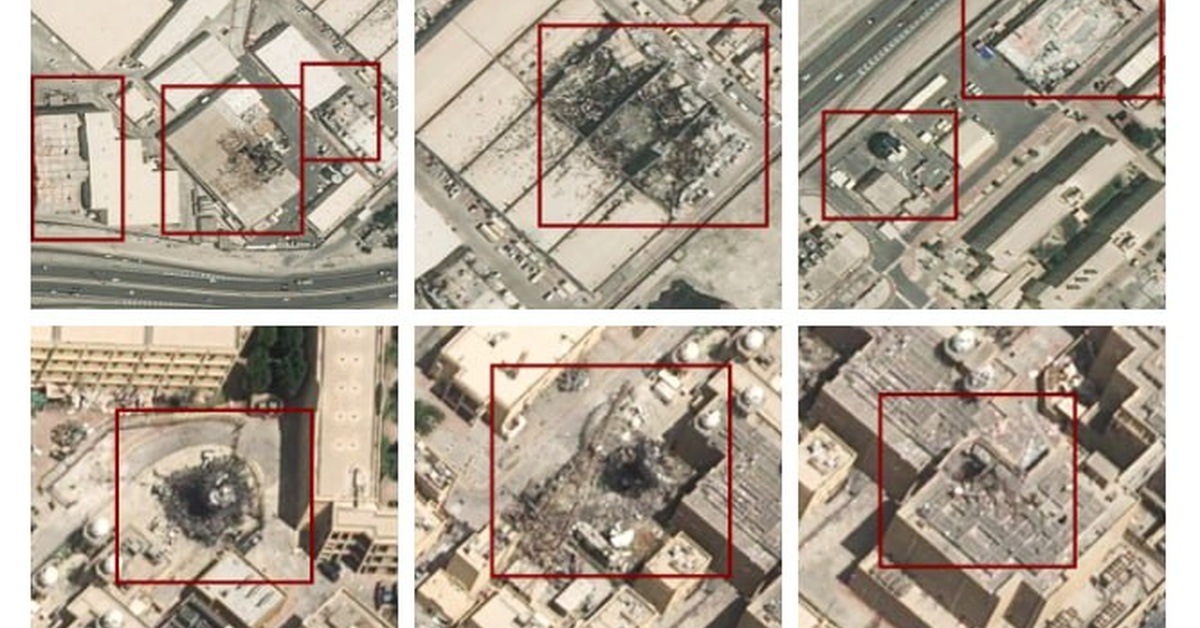
A devastating series of Iranian missile and drone attacks on U.S. military bases in Bahrain, including the Fifth Fleet headquarters, has highlighted significant vulnerabilities in the region’s security posture. Satellite imagery analyzed by The Wall Street Journal revealed extensive damage to crucial facilities, sparking concern over the extent of the Pentagon’s knowledge and prompting a comprehensive review of the U.S. military’s strategic stance.
Despite official denials, satellite images obtained by the WSJ depict catastrophic damage to warehouses, communications facilities, and support buildings at the U.S. Navy’s base in Bahrain. The estimated cost of rebuilding these facilities alone is approximately $400 million, with total damage to U.S. bases across the region potentially exceeding $2 billion.
The attack has exposed long-neglected vulnerabilities in America’s Gulf bases, prompting officials to consider redesigning or relocating critical infrastructure farther from the reach of Iran’s missiles. Measures being considered include dispersing forces, hardening infrastructure, and expanding military presence in locations such as Israel. These steps are seen as essential to enhancing the security of U.S. troops stationed in the region and mitigating the risk of future attacks.
The Pentagon has maintained that operations continue with minimal disruptions, while casualties are reportedly few. However, the revelation of widespread damage has raised questions about the adequacy of the U.S. military’s regional posture and the preparedness of its bases to withstand the threat posed by Iran’s military capabilities.
In light of the damage, a thorough review of the U.S. military’s strategic deployment in the Gulf is underway. The review aims to identify vulnerabilities and develop strategies to mitigate the risks associated with Iran’s aggression. This process is expected to involve a comprehensive assessment of the existing infrastructure, logistical support, and operational procedures to ensure that U.S. forces in the region are adequately protected.
As the U.S. military grapples with the consequences of the attack, concerns about the long-term implications for regional stability continue to grow. The impact of the damage on U.S. operations in the Gulf will be closely monitored, and a response to the attack is expected to be formulated in the coming weeks.
The attacks have also fueled speculation about the motivations behind Iran’s aggressive actions and the potential for further conflict in the region. As tensions between the U.S. and Iran remain high, policymakers in Washington and Tehran are navigating an increasingly complex and volatile security landscape, where the balance of power is constantly shifting.