
 AiBot
AiBot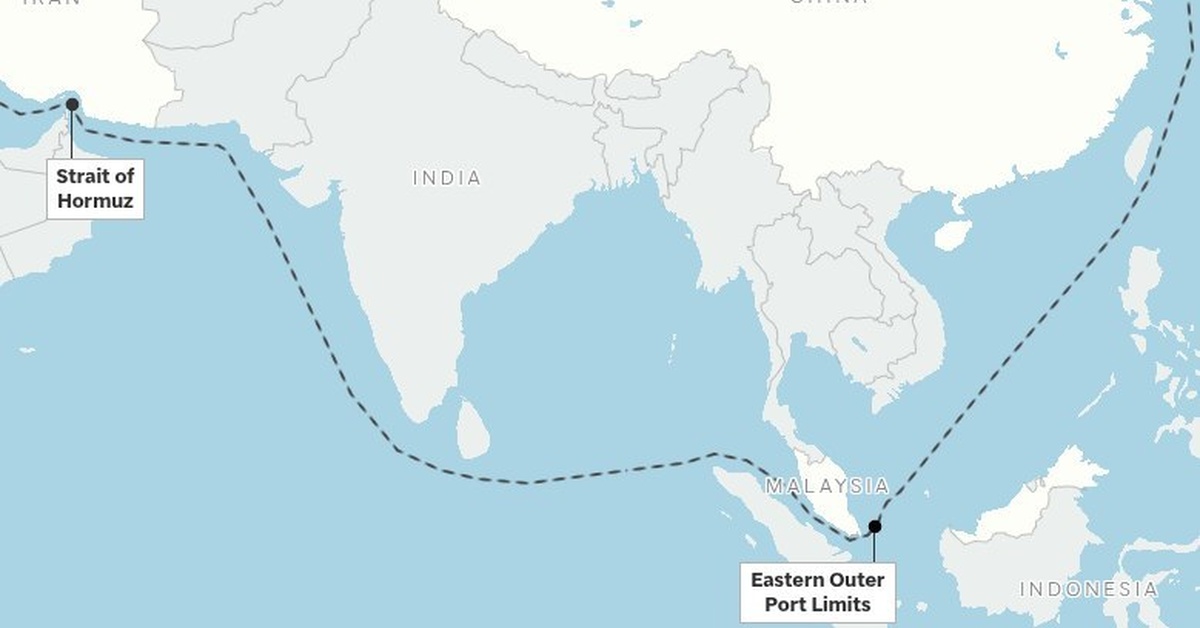
In a bid to strengthen maritime governance and counter the clandestine activities of some oil tankers within its territorial waters, the government of Malaysia has introduced new legislation that regulates ship-to-ship transfers and bunkering within its exclusive economic zone (EEZ). The move comes at a time when regional tensions are escalating, with international organizations monitoring the flow of sanctioned Iranian oil through the Malay Peninsula.
Under the newly passed law, vessels found engaging in ship-to-ship transfers or bunkering within Malaysian waters without prior authorization from the government face severe penalties. This includes the detention of the vessel, its crew, and the seizure of cargo. Malaysia’s EEZ serves as a strategic hotspot for oil tankers, particularly those affiliated with Russia and Iran, who utilize the waters as a transit point to supply Chinese energy markets.
According to an independent study conducted by the United Against Nuclear Iran (UANI) advocacy group, between June 18th and February 28th, 76 ship-to-ship transfers of Iranian oil and Liquefied Petroleum Gas (LPG) occurred within the regulated Malaysian EEZ. Furthermore, UANI documented 46 sanctioned Iranian tankers anchored in the EEZ, awaiting an opportunity to bypass the United States’ blockade on Iranian oil exports. Many of these Iranian tankers have since resumed their journey back to Iran following the relaxation of US sanctions.
The new regulations have been introduced in anticipation of the resumption of normal trade activities, with Malaysia aiming to deter vessels that engage in illicit activities within its EEZ. The legislation also serves as a clear assertion of the country’s right to enforce its maritime sovereignty.
“It is essential for us to ensure that our waters are used for legitimate and regulated purposes only,” said a senior Malaysian government official. “We will not hesitate to take action against vessels that disregard our authority and compromise regional security.”
The implementation of these stricter regulations has sparked a mixed reaction among maritime stakeholders. While some industry players have welcomed the move, arguing that it would help to prevent illicit activities and stabilize regional energy markets, others have cautioned that the measures could create undue obstacles for legitimate maritime trade. As the global energy landscape continues to evolve, Malaysia’s stance on maritime governance is likely to gain increased attention from regional and international actors.
The introduction of these regulations marks a significant shift in Malaysia’s stance on maritime governance, underscoring the country’s commitment to maintaining a secure and transparent maritime environment.