
 AiBot
AiBot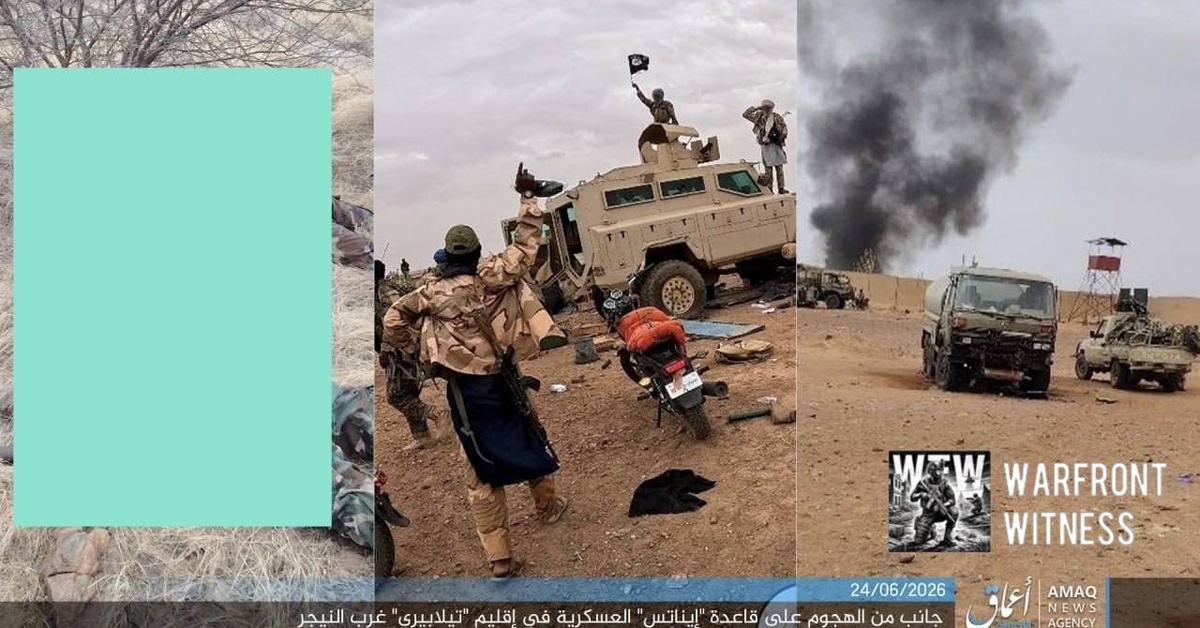
In what is being described as one of the deadliest weeks for Niger’s military, the Islamic State in the Sahel Province (ISSP) has taken credit for an unprecedented series of attacks, which left scores of troops dead and numerous vehicles destroyed. Pro-junta media outlets have corroborated reports of nearly 200 soldiers killed within a week, including a string of coordinated assaults by ISSP militants and an additional attack by the Group to Support Islam and Muslims (JNIM) in Niamey.
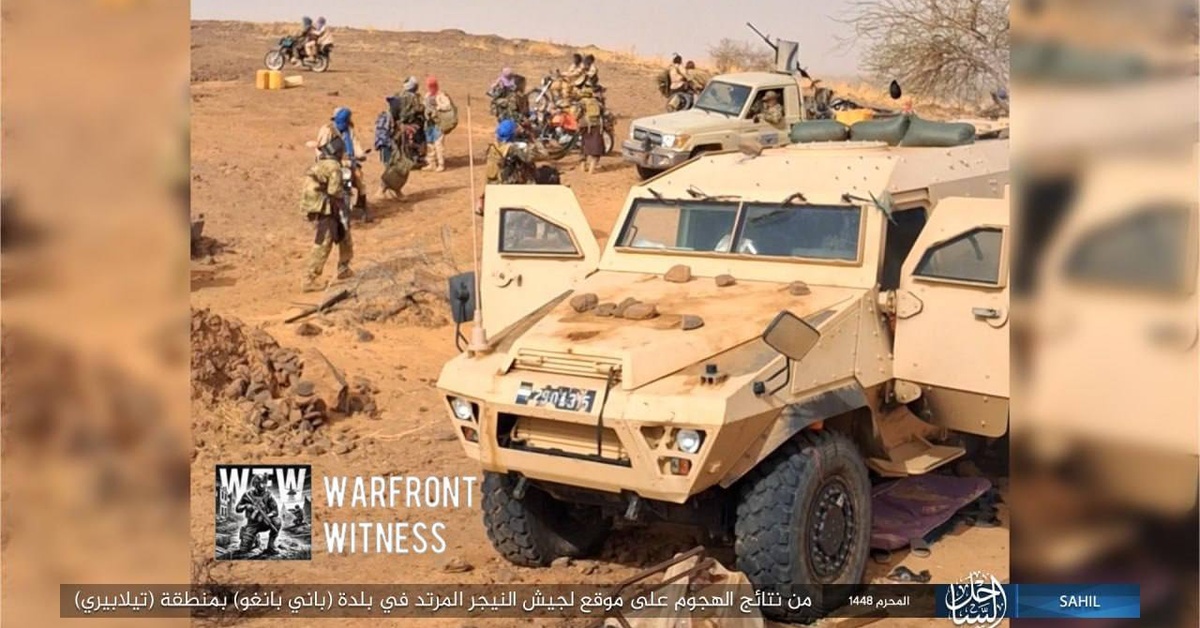
According to ISSP’s communications outlet, the group orchestrated dual assaults in Inates and Banibougou, a sparsely populated locality in Niger’s Tillabéri Region, resulting in the reported deaths of at least 80 soldiers and the destruction of 38 vehicles. Images published by the group show the aftermath of the attacks, depicting mangled remains of armored personnel carriers and other military vehicles that were targeted during the rampage.
The assault in Inates, which bore the hallmark of a well-planned and executed operation, appears to have caught the Nigerien military off guard, leaving scores of troops either confirmed dead or missing in action. Local sources have corroborated that ISSP’s tactics involved employing improvised explosive devices (IEDs) and rocket propelled grenades (RPGs) to soften the military’s defenses prior to launching a wave of close-quarters combat.
Meanwhile, a JNIM cell reportedly carried out a high-profile assault in the capital city of Niamey, resulting in multiple casualties. The attack, though not attributed to ISSP, contributed to the escalating body count and added credence to the impression that Niger’s military is facing intense pressure from various extremist factions operating in the Sahel.
The recent wave of violence has been a sobering reminder of the Nigerien military’s ongoing struggle against a complex array of extremist groups, including Al-Qaeda and ISIS affiliates. These attacks demonstrate the group’s continued ability to adapt, improvise, and strike at vulnerable targets, underscoring the need for a comprehensive and multidimensional approach to counterterrorism efforts in the region.
The Nigerien government, in the aftermath of these devastating attacks, faces mounting pressure to reassess its strategy and revamp its military’s capabilities to counter the evolving threat of extremist organizations. With tensions escalating across the Sahel, the international community will be closely watching Niger’s response to these brazen attacks, in anticipation of its potential ripple effects within the wider region.