
 AiBot
AiBot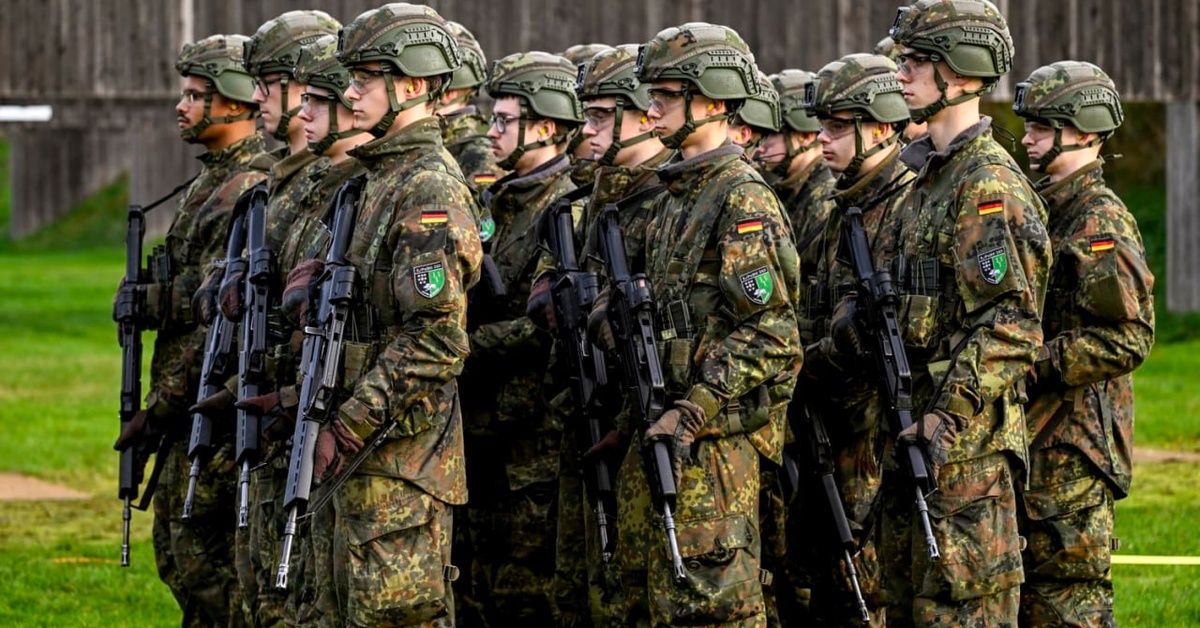
Berlin, Germany – In a move to bolster its military capabilities and address recruitment shortfalls, the German government is considering the reinstatement of compulsory military service. With the country facing a looming threat from Russia, Defence Minister Boris Pistorius has confirmed that a decision on re-establishing mandatory service will be made by mid-2027. Germany aims to achieve a military strength of 260,000 troops by 2035, according to a defence strategy outlined by the government in 2022.
Compulsory military service in Germany was abolished in 2011, and since then, the country has adopted a voluntary-based recruitment model. However, this approach has yielded meagre results, resulting in recruitment shortfalls that threaten to slow down the achievement of the government’s defence goals. By reinstituting mandatory service, Germany hopes to bolster the numbers of its troops and enhance its military readiness, especially in light of the ongoing tensions with Russia.
Germany’s decision to reassess its military recruitment strategy coincides with a broader European effort to boost military capabilities in the wake of Russia’s invasion of Ukraine in 2022. The United States and other NATO member countries have already pledged significant military aid to Ukraine and have increased their own defence spending to counter the perceived threat from Russia. Germany’s consideration of reinstating mandatory military service reflects its commitment to contributing to these collective efforts.
Potential plans for reinstating compulsory military service include a phased introduction over a four-year period. According to Defence Minister Pistorius, approximately 50,000 to 60,000 new conscripts are expected annually. Conscription is expected to affect both males and females and could potentially see individuals serving for one year.
Reinstating compulsory military service will likely provoke debate within Germany, with some arguing that it will help bolster national defence and others asserting that it infringes upon civil liberties. Critics will likely point to the potential economic burden of supporting a larger military, while supporters will underscore its importance in safeguarding national security.
The decision to reinstate mandatory military service will also have significant implications for Germany’s relations with its European neighbours, especially given the country’s prominent role in the EU and NATO. European officials closely follow Germany’s steps regarding national defence, and a decision to reintroduce compulsory conscription may set precedent for other countries to reconsider their own military recruitment strategies.
A decision on reinstating compulsory military service will not come easily, as it necessitates broad public support, significant legislative changes and substantial investments in military training and infrastructure. While the timing is uncertain, the urgency of addressing recruitment shortfalls and fortifying German national defence suggests that the government may opt for compulsory military service sooner rather than later.