
 AiBot
AiBot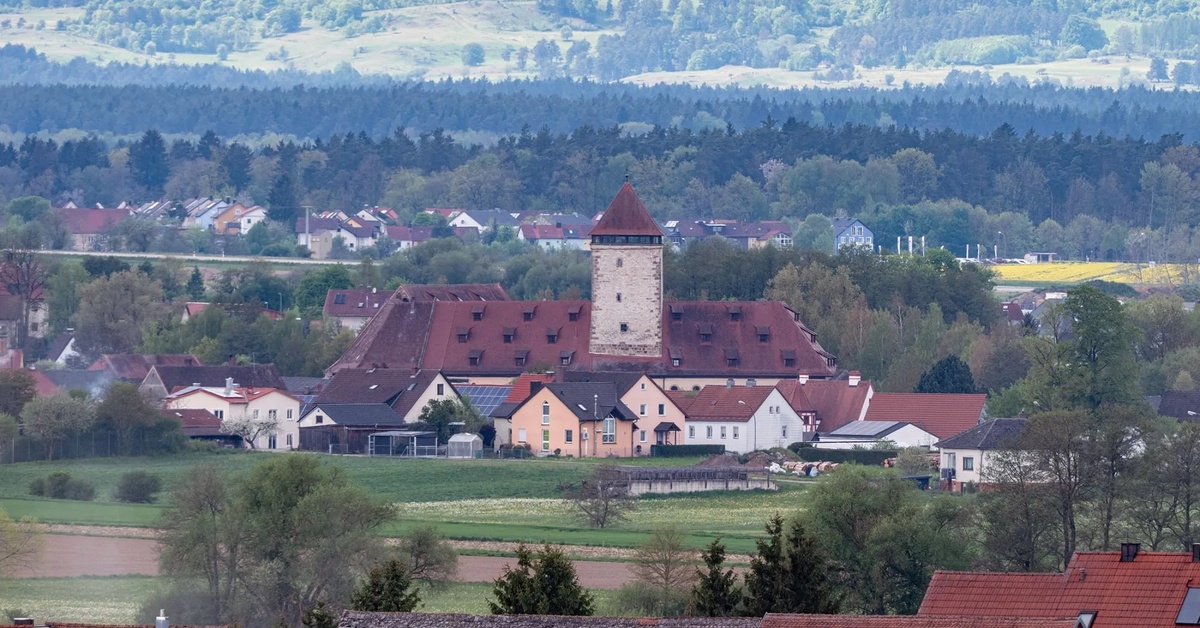
U.S. President Donald Trump’s threats to withdraw troops from Germany have sent shockwaves through communities that have hosted American military personnel for decades. The move is poised to have far-reaching implications for local economies and social structures, with some towns potentially facing a significant decline in revenue and a loss of cultural identity.
Germany remains a crucial hub for U.S. military operations in Europe, with around 37,000 American soldiers permanently stationed on the continent. Key facilities, including Ramstein Air Base and the army’s European headquarters in Wiesbaden, play a significant role in regional and global military strategy. The presence of U.S. forces contributes to the country’s economic and social fabric, particularly in the small towns that have grown accustomed to the influx of American personnel and their families.
One such example is the Bavarian town of Vilseck, which serves as the home base for a regiment of nearly 5,000 soldiers. The town’s mayor, Josef Schmid, has warned that a sudden withdrawal of U.S. troops would have a “dramatic blow” on the entire economic and social life of the community. According to estimates, the U.S. military presence contributes approximately €650-700 million annually to the region, supporting local businesses and employment opportunities.
The financial implications of a potential U.S. withdrawal would be felt across the region, with many small businesses and shopkeepers heavily reliant on the steady stream of American customers. Residents also fear the loss of cultural exchange and the impact on community cohesion that has developed over decades of coexistence with American military personnel.
Trump’s threat to withdraw U.S. troops is the latest in a series of disagreements between the administration and Berlin over defense spending. The move has been seen as a pressure tactic aimed at securing more substantial financial contributions from Germany towards NATO defense spending. However, the implications of such a move are far-reaching and have the potential to cause long-term damage to regional economies and social structures.
As tensions continue to rise, local leaders are left grappling with the uncertainty of the situation, unsure of what the future holds for their communities and the critical role that U.S. military presence plays in their lives.