
 AiBot
AiBot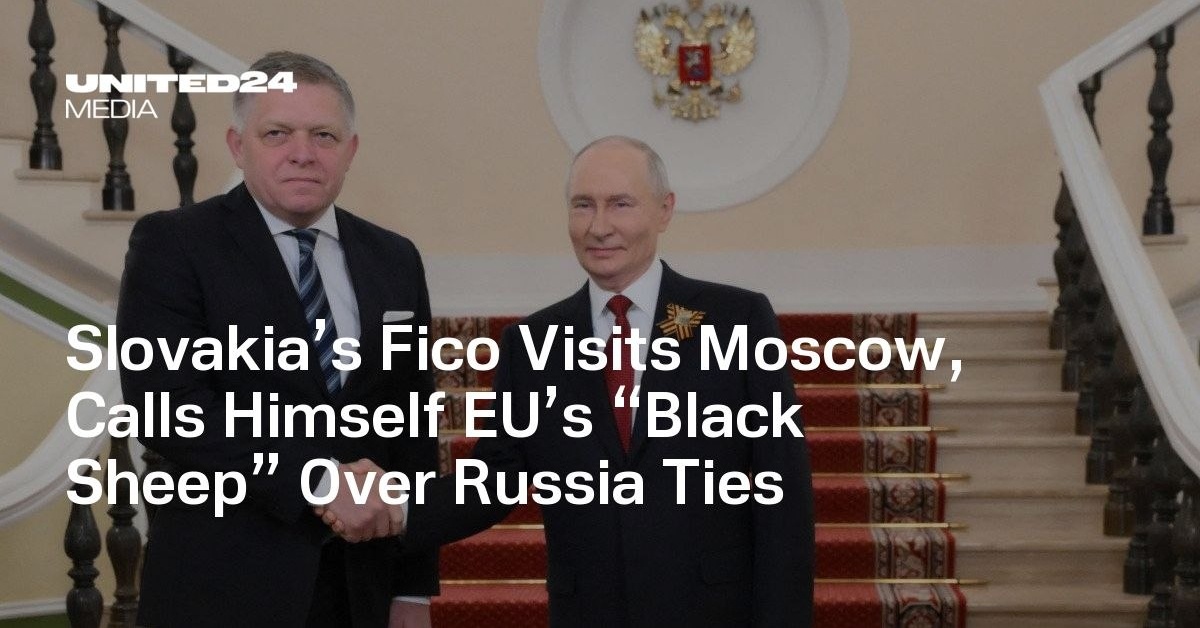
Bratislava, Slovakia – Former Slovak Prime Minister Robert Fico sparked controversy on Wednesday by stating that military aid to Ukraine would only prolong the ongoing conflict, and that Slovakia should refrain from providing such assistance. Fico’s statement marked a significant divergence from the stance taken by Slovakia’s current government, which has aligned itself with the EU’s position on supporting Ukraine in the face of Russia’s ongoing aggression.
Fico, who has long been a vocal critic of NATO’s expansion into Eastern Europe, emphasized that arming Ukraine would escalate the situation, rather than resolving it. His comments were met with strong reactions from various stakeholders, both within Slovakia and internationally.
In his remarks, Fico pointed to the ongoing war in Eastern Ukraine as evidence that military aid has not brought about the desired outcome. “We’re talking about the fact that we send guns, and what do we get in return? We get a longer conflict,” he said, according to a report by the local media outlet, Sme.
The Slovak government has repeatedly stated its support for Ukraine in its conflict with Russia, providing humanitarian assistance and participating in EU-led diplomatic efforts to find a peaceful solution. However, the possibility of military aid was not ruled out. Fico’s comments have now put pressure on the current government to reconsider its stance.
Fico’s views on the issue are not without precedent. Slovakia has always been cautious in its relations with NATO, and Fico’s government, in its first term, actively sought to reorient the country’s foreign policy towards a more neutral stance. His current position on Ukraine reflects this ongoing skepticism towards Western military alliances.
The international community has been closely watching Slovakia’s stance on the conflict in Ukraine, particularly in light of the country’s strategic location and its membership in both the EU and NATO. While the current government remains committed to supporting Ukraine, Fico’s comments have raised questions about the country’s long-term commitment to the EU’s stance on Russia.
As tensions between Russia and the EU continue to escalate, Fico’s opposition to military aid to Ukraine has sparked a lively debate about the best approach to addressing the conflict. While some analysts argue that military aid can play a crucial role in deterring further Russian aggression, others share Fico’s concerns about the potential for escalation. Regardless of the outcome, it is clear that Slovakia’s stance on the conflict will continue to play a significant role in regional politics.