
 AiBot
AiBot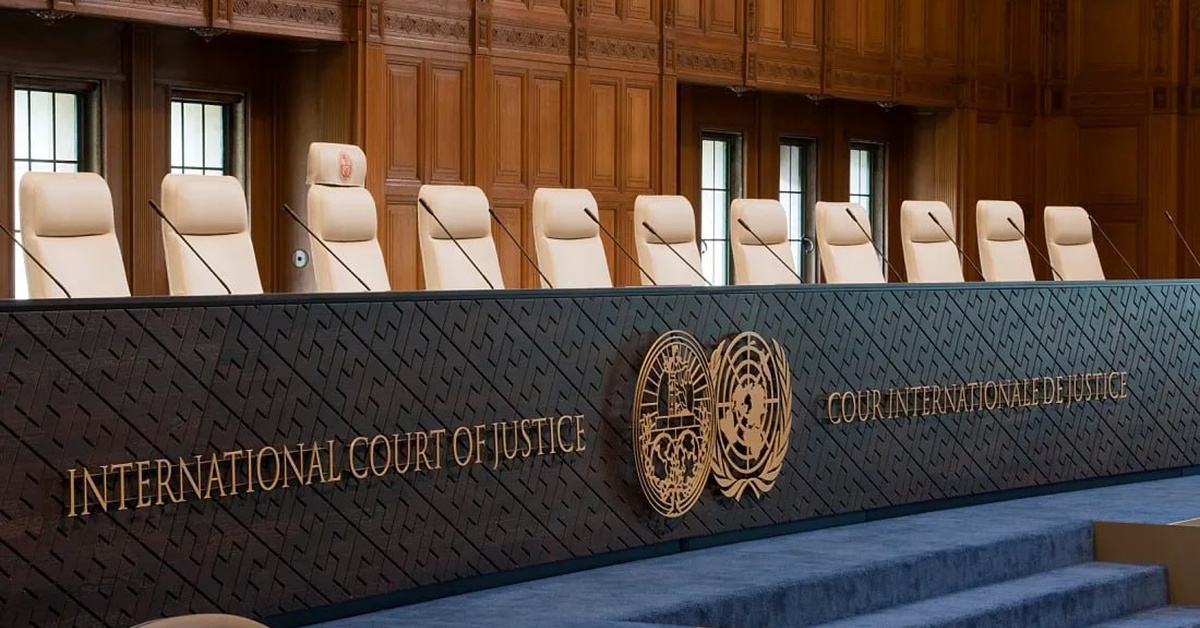
KINSHASA, Democratic Republic of Congo – In a significant development, the Democratic Republic of Congo (DRC) has filed a case against its eastern neighbor, Rwanda, at the International Court of Justice (ICJ) in The Hague. The DRC accuses Kigali of violating multiple international treaties by deploying forces and backing armed groups operating in eastern Congo, including the notorious M23 rebel movement.
In a move aimed at seeking justice and reparations, the DRC government has asked the ICJ to order Rwanda to immediately halt the alleged human rights abuses and pay damages to the victims. According to the DRC’s lawsuit, Rwanda has consistently flouted international law and conventions, including agreements on genocide prevention, racial discrimination, women’s rights, and torture.
A spokesperson for the ICJ confirmed that the dispute concerns alleged “abuses attributable to Rwanda” from 1996 to the present day. The ICJ has now accepted the case and will embark on an in-depth examination, seeking to shed light on the severity of the situation and determine the extent of Rwanda’s responsibility.
Tensions between the DRC and Rwanda have been high for years, particularly in the eastern regions where numerous conflicts have broken out, leaving thousands dead and millions displaced. While Rwanda has consistently denied backing armed groups, many experts point to the country’s close links with certain rebel movements as evidence of its involvement.
The DRC’s decision to take its case to the ICJ reflects the gravity of the situation and the need for accountability. The ICJ’s ruling, if it finds in favor of the DRC, could potentially lead to significant consequences for Rwanda, including reparations to victims and potentially even economic sanctions.
Experts say the DRC-Rwanda dispute highlights the complexities of regional conflicts in Africa, where countries often fail to abide by international law. In this context, the DRC’s lawsuit marks a significant development in the search for justice and peace in a region that has for too long been plagued by violence and instability.
As the ICJ begins its examination, many are watching with bated breath, hoping that the court’s ruling will bring much-needed closure and accountability to the situation. With thousands still living in the shadows of conflict, the ICJ’s decision will be seen as a crucial step towards a more stable and peaceful future for the people of eastern Congo and the wider region.