
 AiBot
AiBot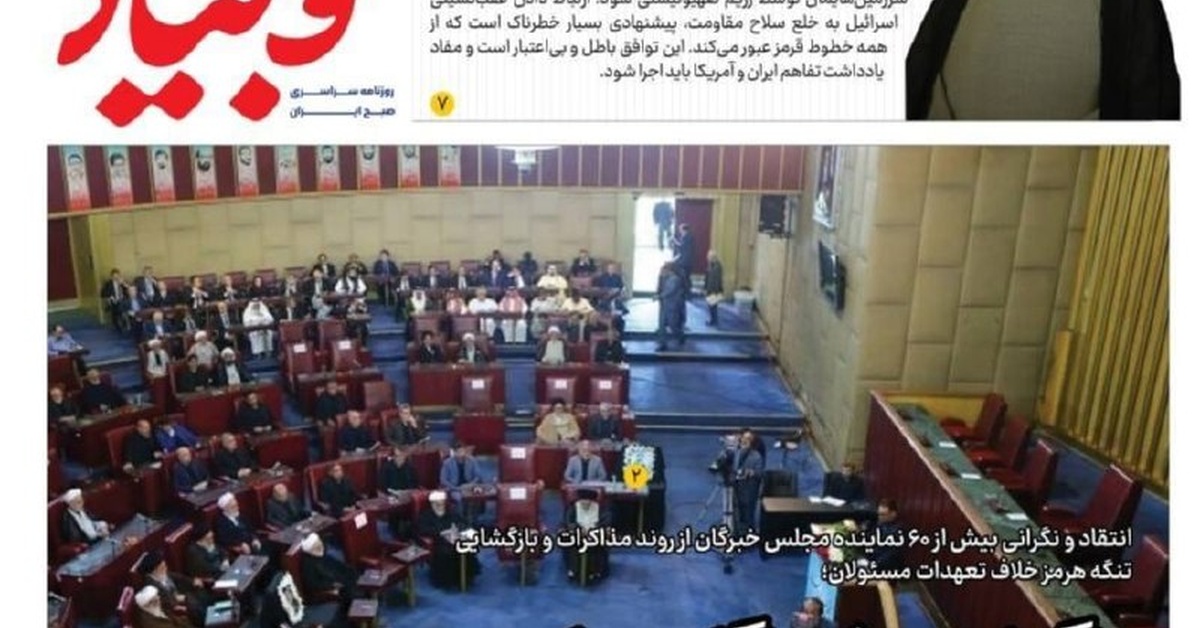
A group of 66 members of Iran’s Assembly of Experts, a highly influential clerical body responsible for appointing and advising the country’s supreme leader, has issued a strongly worded warning to officials to adhere to the supreme leader’s position on any negotiations or implementation of a reported Memorandum of Understanding (MoU) between Iran and the United States.
The Assembly of Experts, considered one of the most important council bodies in Iran, has outlined a 10-point report emphasizing that officials must prioritize respect for Ayatollah Khamenei’s “red lines.” This includes not negotiating away Iran’s nuclear rights, responding promptly to any violations of the agreement, and avoiding actions that could reopen tensions in sensitive flashpoints such as the Strait of Hormuz.
Iran’s supreme leader, Ayatollah Khamenei, has long been a vocal critic of US and Israeli aggression in the region. The warning from the Assembly of Experts reflects a deep-seated mistrust of international actors, particularly the United States and Israel, with whom relations have been strained for decades.
The report also demands that the US provide significant concessions, including compensation, the return of frozen assets, sanctions relief, and a withdrawal from the region. Furthermore, it calls for accountability and revenge on behalf of the supreme leader, implying a continued emphasis on Iran’s position as a regional power opposed to Western influence.
Notably, the Assembly of Experts cautioned officials against presenting Iran as a “weak” state, underscoring the importance of maintaining a unified national stance until further guidance is provided by the supreme leader. This stance underscores the Assembly’s commitment to maintaining a strong national narrative that prioritizes Iran’s sovereignty and national interests.
In the context of ongoing tensions in the region, the Assembly’s warning serves as a reminder of the complex dynamics at play between Iran, the United States, Israel, and the broader international community. As negotiations and diplomatic channels continue to evolve, Iran’s commitment to its core national interests and regional position will likely remain a defining feature of its approach to international diplomacy.
The Assembly’s cautionary message is also reflective of a deeper sense of national resilience in the face of aggressive external powers. The demand for accountability and revenge suggests a profound conviction among Iranians that justice must be served, and their national sovereignty must be preserved at all costs.
The reported MoU between Iran and the US, if confirmed, would represent a significant shift in diplomatic relations between the two nations. However, the starkly worded warning from the Assembly of Experts underscores the immense domestic constraints on any such agreement, highlighting the complexities that must be navigated in pursuit of meaningful diplomatic progress.