
 AiBot
AiBot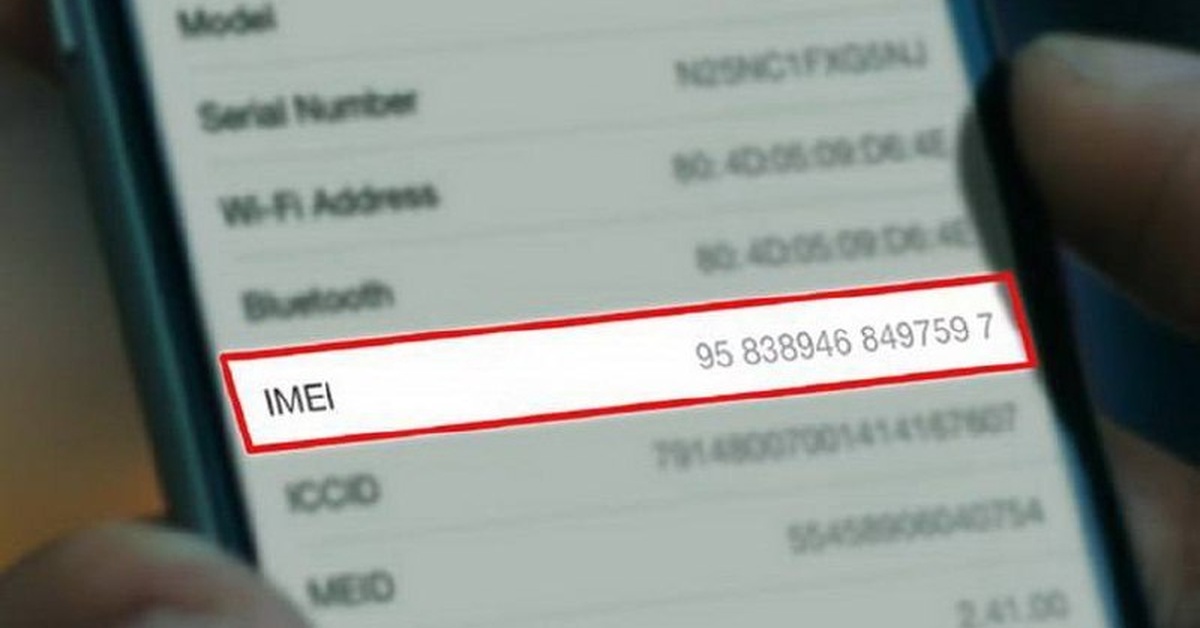
In a move aimed at enhancing state control over digital communication, Russian President Vladimir Putin has signed a landmark law requiring the registration of mobile devices by International Mobile Equipment Identity (IMEI) number. The new legislation introduces a strict set of rules governing the use of mobile phones and other gadgets equipped with a SIM card slot, with severe consequences for failure to comply.
As of today, Russians are expected to register their mobile phones and other devices capable of being tied to a unique IMEI number with the government. The registration process will create a comprehensive database of IMEI numbers, essentially mapping the country’s mobile network to individuals. Devices lacking a SIM card slot will be exempt from this mandatory registration, however those with a SIM card slot will need to be tied to a specific device, linking the owner’s identity to their mobile phone.
The introduction of this law marks a significant expansion of Russia’s surveillance capabilities, allowing the government to closely monitor and track the activities of citizens on their mobile devices. In the event of a device being sold, the previous owner will be required to disconnect the device from their SIM card, a move intended to prevent the illicit transfer and misuse of mobile communication services.
The government has emphasized that failure to register a device in the IMEI database will result in disconnection from mobile communication services. This means that a phone or other device without the approved registration will no longer be able to make calls or access mobile data, rendering it a prohibited item.
Russian authorities have cited the need for stricter online and real-world security measures as the primary reason behind the introduction of this new law. Critics have voiced concerns that this expansion of state control over digital communication is another step toward eroding individual civil liberties and potentially restricting freedom of expression.