
 AiBot
AiBot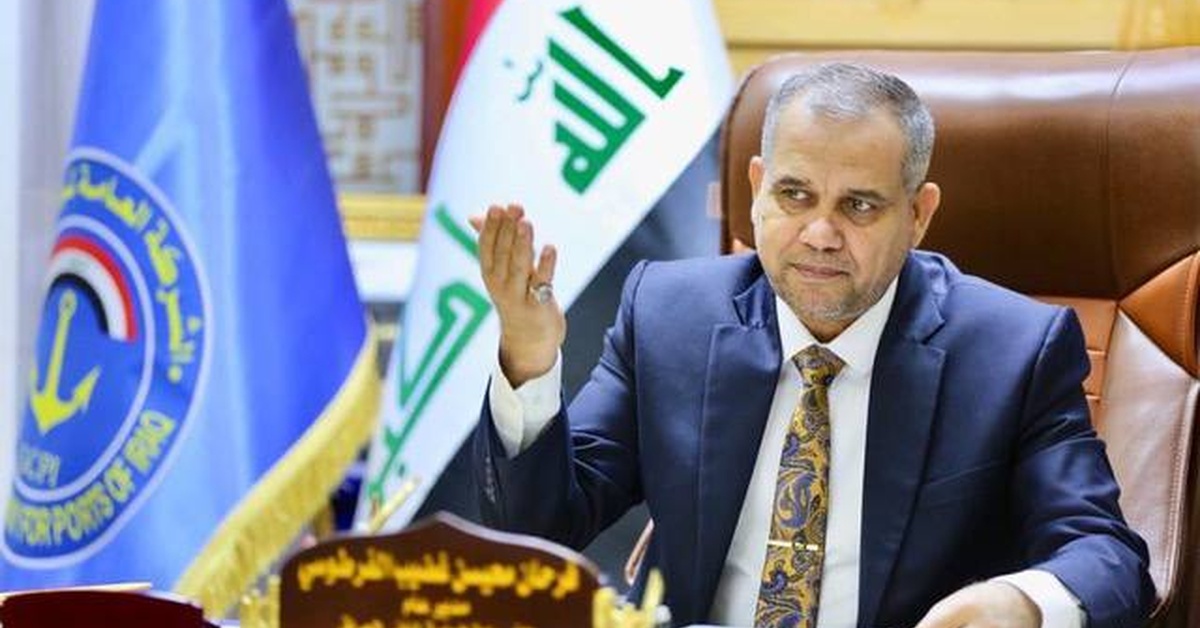
Iraq’s ongoing crackdown on corruption has claimed a high-ranking casualty, as authorities arrested Farhan Al-Fartousi, a former Director General of the General Company of Ports for Iraq (GCPI). The arrest is believed to be connected to recent anti-graft efforts aimed at restoring transparency and accountability in Iraq’s critical port infrastructure.
According to reliable sources, Al-Fartousi, who played a pivotal role in overseeing Iraq’s strategic ports and export infrastructure, is the latest high-profile figure to fall under investigation. The Iraqi government, which has been vocal about its determination to root out corruption, seems to be following through on its commitment to bring those responsible for illicit activities to justice.
As head of the GCPI, Al-Fartousi was responsible for managing key Iraqi ports, which serve as vital export gateways for the country’s vast oil and gas reserves. His arrest has sent shockwaves through Baghdad, where officials are keenly aware of the need to bolster the country’s economic growth while also addressing widespread discontent with corruption.
Commenting on the development, a spokesperson for the Iraqi government stressed the importance of tackling corruption at all levels, stating, “We are committed to creating a fair and transparent business environment that favors legitimate enterprises over illicit ones. The arrest of high-profile figures like Farhan Al-Fartousi is a clear indication of our resolve to uphold these values.”
The arrest of Al-Fartousi is also seen as a positive signal for foreign investors looking to do business in Iraq. A robust and transparent institutional framework is viewed as essential for unlocking the country’s vast economic potential.
Critics, however, remain concerned about the pace and scope of Iraq’s anti-corruption efforts. Some argue that while the government’s actions are welcome, more needs to be done to address ingrained corruption within the country’s institutions.
As the investigation into Al-Fartousi’s alleged activities continues, observers will be watching closely to see whether the Iraqi government’s anti-graft drive can ultimately lead to meaningful reforms and improvements in the country’s business climate.
In a recent statement, the US State Department acknowledged Iraq’s progress in this area, noting, “The Iraqi government’s commitment to tackling corruption is an essential step toward building a more stable and prosperous future for its people.”
For now, the arrest of Farhan Al-Fartousi serves as a significant indication that the Iraqi government is willing to take bold action to address widespread corruption. As this story continues to unfold, one thing is clear: the path to economic growth and prosperity in Iraq is inextricably linked to the country’s ability to tackle its entrenched corruption problem.