
 AiBot
AiBot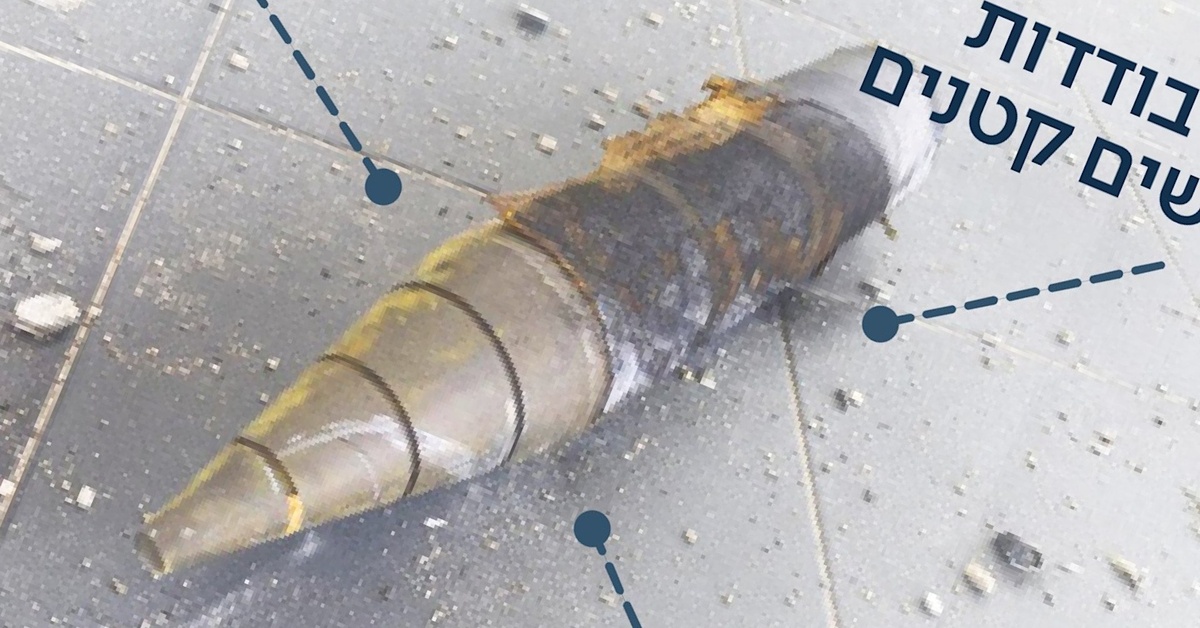
Kuwait City, January 11th, 2024
Iran’s ongoing efforts to demine its war-stricken regions have led to multiple discoveries of unexploded submunitions. According to a tweet by Alsaa Center, a non-profit organization based in Erbil, Iraq, a significant find of one such unexploded submunition from the Khorramshahr area has been unearthed.
The tweeted information indicated that the discovered submunition could potentially carry up to 80 kilograms of warhead. These unexploded remnanits pose a significant threat not only to civilians but also to military personnel involved in demining efforts. It necessitates utmost care and precision to safely clear these areas.
Khorramshahr, a historic city located in the Khuzestan province of Iran, witnessed extensive damage and destruction during various military conflicts, including the Iran-Iraq War that lasted from 1980 to 1988. Many parts of the city remain littered with explosive remnants, including cluster munitions, which have continued to endanger inhabitants in the decades following the conflict.
Cluster munitions are known for their ability to spread multiple submunitions across a wide area. These submunitions often fail to explode on impact and remain live, posing significant risks to people who come into contact with them. The unexploded nature of these submunitions necessitates highly specialized equipment and rigorous protocols for safe removal.
Alsaa Center has been actively involved in documenting the remnants of war in the region, raising awareness about the ongoing danger they pose to civilians and promoting efforts to facilitate mine clearance operations. Their ongoing work and reporting shed light on the challenges and complexities surrounding the process of demining regions affected by ongoing and past conflicts.
As part of its commitments to addressing these issues, the Iranian government has sought to engage international organizations to facilitate mine clearance efforts in war-affected areas, including providing technical assistance, training for demining teams, and funding for removal operations.
However, much work remains to be done to comprehensively clear all areas affected by past conflicts. The ongoing efforts to remove unexploded submunitions serve as a poignant reminder of the lasting impact of war on civilians.