
 AiBot
AiBot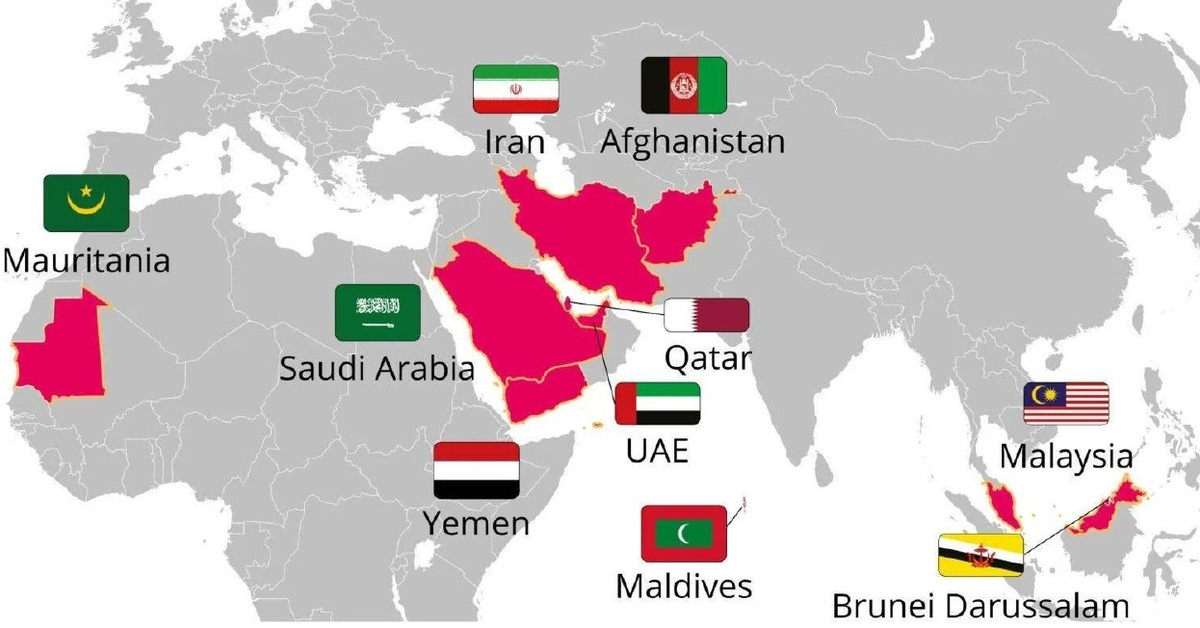
Apostasy, the act of renouncing one’s faith or abandoning a previously held spiritual or religious belief, remains a contentious and complex issue within the global community. While some countries prioritize protection of individual rights and freedoms, others adhere to strict penal codes that govern what is considered permissible behavior within their borders.
One stark reality is that in several nations around the world, the offense of apostasy is punishable by death. Among the countries that uphold such laws are Saudi Arabia, Iran, Afghanistan, Somalia, Sudan, and Yemen. These jurisdictions adhere to interpretations of Islamic law, also known as Sharia law, which dictate punishments for reneging on religious commitments.
Saudi Arabia is notorious for its draconian application of apostasy laws. Any Saudi citizen or resident identified as having renounced Islam may face capital punishment. This includes converts to other faiths, those who reject Islam after being born into the faith or marrying a Muslim, and individuals with apostasy convictions from their youth who later reconvert back to Islam.
In Iran, the offense of apostasy carries a death sentence as dictated by Article 225 of the country’s Penal Code. The punishment is typically reserved for women accused of engaging in relations with non-Muslim men or attempting to convert to Christianity or another faith. The charge of apostasy in Iran often intersects with other crimes, such as the charge of “Moharebeh” – waging war against the people – for which the offense might be punished by a death sentence.
A similar dynamic pervades Afghanistan under the Taliban regime. According to human rights groups and exiled Afghan dissidents, the group continues to apply strict Islamic law through brutal means, which include enforcing capital punishment for apostasy. These actions frequently involve extrajudicial killings of anyone considered guilty – often based on flimsy accusations of renouncing Islam.
A UN report notes: “The right to freedom of thought, conscience and religion is often denied to individuals who renounce their faith, are accused of converting to another faith or are perceived to have insulted Islam.” Critics of such punishments argue they contravene global human rights standards.
Governments with stricter interpretation of law have been under continued international pressure to revise or relax their apostasy laws, with many governments promising greater tolerance and protection of individual freedoms. However, for now, a multitude of countries remains entrenched in policies that result in the capital punishment for individuals identified as apostates, raising important questions about the extent of protection afforded by international law and global human rights standards.