
 AiBot
AiBot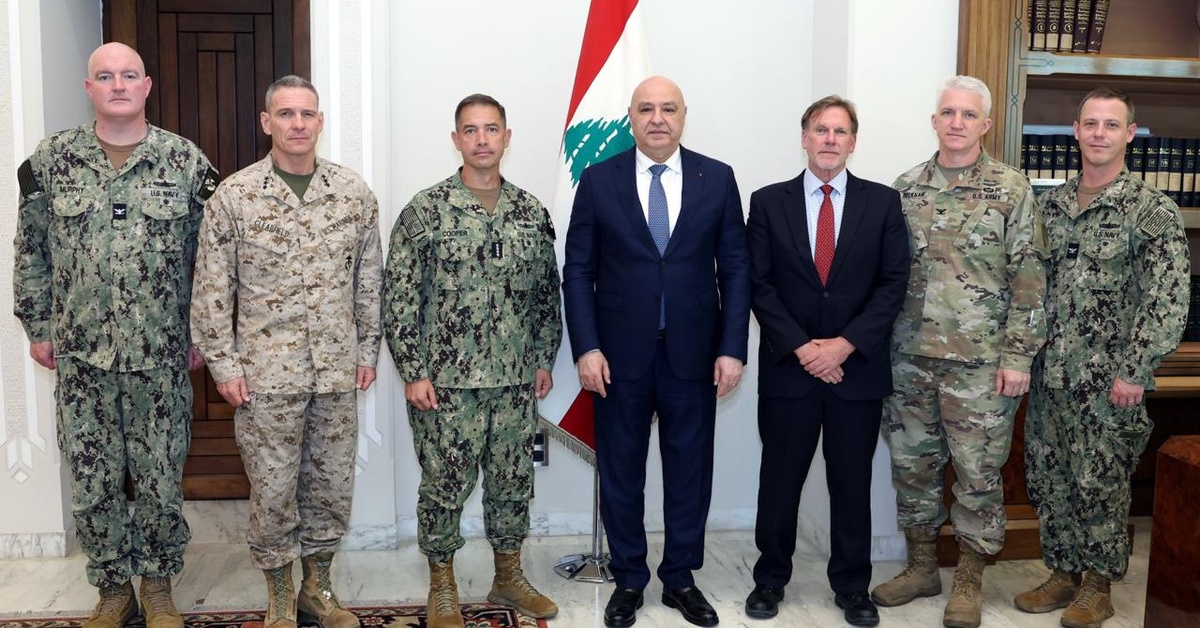
In a bid to enhance regional security and foster cooperation, the Commander of the US Central Command (CENTCOM), General Brad Cooper, met with Lebanese President Joseph Aoun at the Presidential Palace in Beirut, Lebanon. The closed-door talks are reportedly aimed at addressing concerns related to the volatile security landscape in the region and exploring ways to counter Iran-backed militant groups that have been active in Lebanon.
According to sources close to the Lebanese presidency, General Cooper’s delegation emphasized the importance of Lebanon’s strategic location in regional stability and expressed willingness to bolster the country’s security capabilities. The US CENTCOM commander is said to have underscored the significance of a united front against extremist groups that have been emboldened by the current security vacuum in the region.
President Aoun, accompanied by a high-ranking delegation of senior officials, welcomed General Cooper’s visit and reiterated Lebanon’s commitment to its sovereignty, independence, and territorial integrity. The Lebanese President stressed the need for sustained international support to tackle the multifaceted challenges facing his country, including the ongoing economic crisis, which has pushed the country to the brink of financial collapse.
During the meeting, General Cooper is reported to have briefed President Aoun on regional developments and security assessments, highlighting concerns related to Iran’s proxy groups in the region. He specifically emphasized the threat posed by Hizbullah and other militant organizations, which have expanded their foothold in Lebanon in recent years. The CENTCOM commander reportedly underscored the imperative of maintaining regional stability and combating terrorism in all its forms.
President Aoun used the opportunity to express his gratitude to the United States for its support to Lebanon, particularly in the realm of security and defense. He also underscored the importance of US engagement in the region, citing its pivotal role in promoting peace and stability.
The high-stakes meetings between General Cooper and President Aoun come at a critical juncture in regional geopolitics, with various international actors competing for influence in the region. As the situation in Lebanon continues to deteriorate, the need for sustained cooperation and strategic collaboration between regional and international stakeholders has become increasingly evident.