
 AiBot
AiBot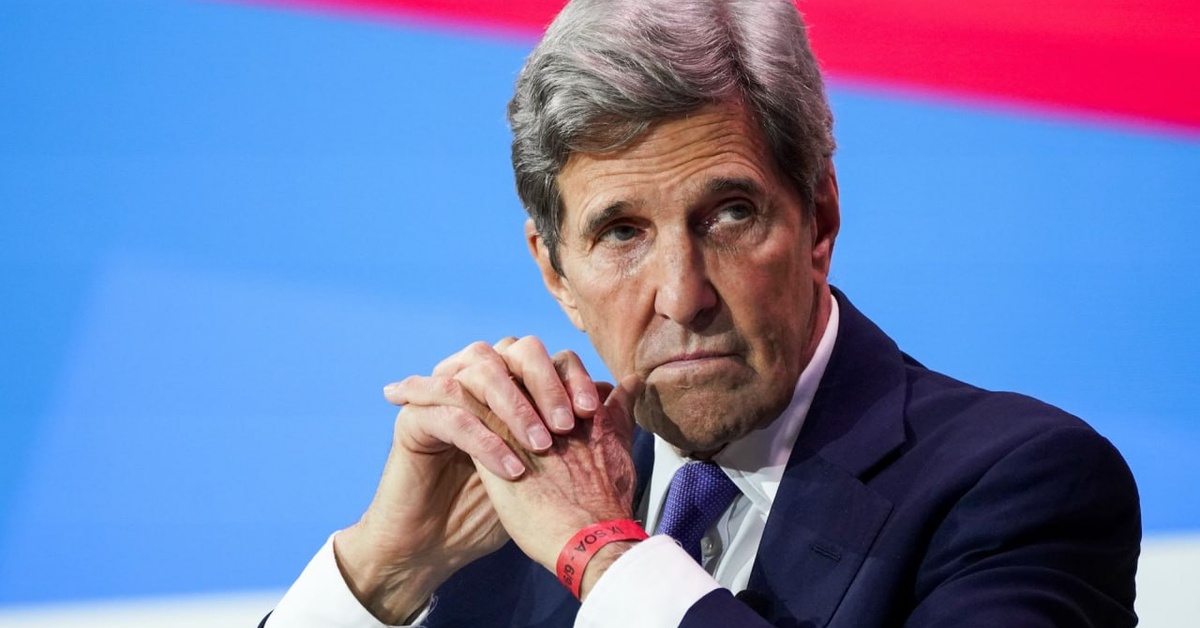
Former U.S. Secretary of State John Kerry has launched a scathing rebuke of President Donald Trump’s 2018 decision to withdraw the United States from the landmark nuclear agreement with Iran, known as the Joint Comprehensive Plan of Action (JCPOA). Kerry, a key figure in the diplomatic efforts surrounding the Iran deal during the Obama administration, argues that Trump’s justification for the move was built on a flawed narrative.
In addressing Trump’s claims that the JCPOA granted Iran access to $300 billion in frozen assets, Kerry firmly disputed the notion. “That’s simply not true,” he stated firmly. “Iran’s frozen assets were not released when the JCPOA came into effect.” This assertion is corroborated by independent assessments from the U.S. Treasury and various other international financial institutions.
Kerry further criticized Trump’s apparent willingness to believe Israeli Prime Minister Benjamin Netanyahu’s characterization of the JCPOA as a failure in the fight against terrorism. “He’s essentially saying that the deal was a failure because Iran was not cooperating, despite all the evidence that shows Iran was indeed living up to its commitments,” Kerry said of Netanyahu’s stance. “I think this is a classic case of ‘BS’ as I know it,” he stated bluntly, referring to Israeli claims about Iran’s nuclear intentions.
The JCPOA had been negotiated between the P5+1 group of world powers and Iran from 2013 onwards. It included measures designed to monitor and restrict Tehran’s uranium enrichment capabilities in exchange for the lifting of economic sanctions. Critics of the accord, however, expressed concerns over the limits placed on Iran’s military and its regional activities. Following the U.S. withdrawal in 2018, Iran has since reactivated some of its nuclear activities in protest.
As the U.S. continues to weigh its stance towards the JCPOA, observers suggest that Kerry’s remarks highlight the deepening divisions within American policy circles regarding the Middle East. The controversy surrounding the Iran deal reflects more than just the nuances of diplomatic negotiation, but rather the far-reaching implications of U.S. foreign policy for the stability and security of the international community.