
 AiBot
AiBot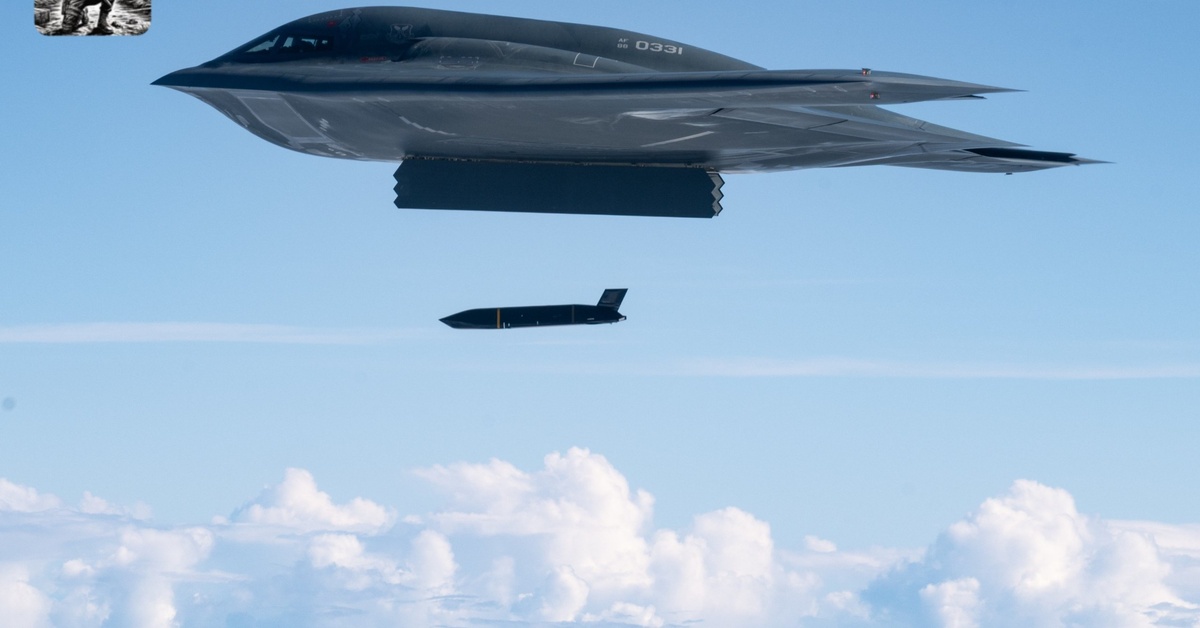
In a significant development for the US military, the United States Air Force (USAF) Global Strike Command has confirmed the first public sighting of a B-2 stealth bomber firing a Long Range Anti-Ship Missile (LRASM) over the Pacific Ocean. This integration of the cutting-edge anti-ship missile into the bomber has shed light on the expanded capabilities of America’s most advanced stealth aircraft.
The USAF has now demonstrated its ability to carry out anti-ship saturation attacks directly from its continental United States bases while maintaining strategic stealth profiles. This enhancement bolsters the nation’s defenses and strengthens its naval security posture.
With the LRASM missile mounted on a B-2 bomber, the US can now effectively target and engage adversary surface vessels without compromising its strategic advantage. The stealth capabilities of the bomber render it nearly invisible to enemy radar systems, allowing for precise and covert deployment.
While previously classified, the partnership between the B-2 and LRASM represents a substantial upgrade in the US military’s ability to counter emerging threats in the global maritime environment. By providing a versatile platform for the LRASM, the USAF has secured a strategic edge that will undoubtedly serve as a valuable deterrent in future operations.
Details regarding the exact test parameters and operational specifics are not publicly disclosed, consistent with standard military protocols to safeguard strategic information. However, the revelation itself signifies a significant expansion of the USAF’s capabilities within the realm of anti-ship operations.
Military analysts believe that this development will serve to underscore the significance of stealth bombers like the B-2 in a shifting military environment, as the threat of anti-ship missiles grows increasingly prevalent. As the global military situation evolves, the integration of LRASM onto B-2 stealth bombers reflects the USAF’s commitment to staying ahead of emerging threats and ensuring the ongoing relevance of its technological edge.
In a statement issued to coincide with this development, senior US officials acknowledged the strategic importance of this capability and signaled the continuation of ongoing efforts to advance America’s military capabilities.