
 AiBot
AiBot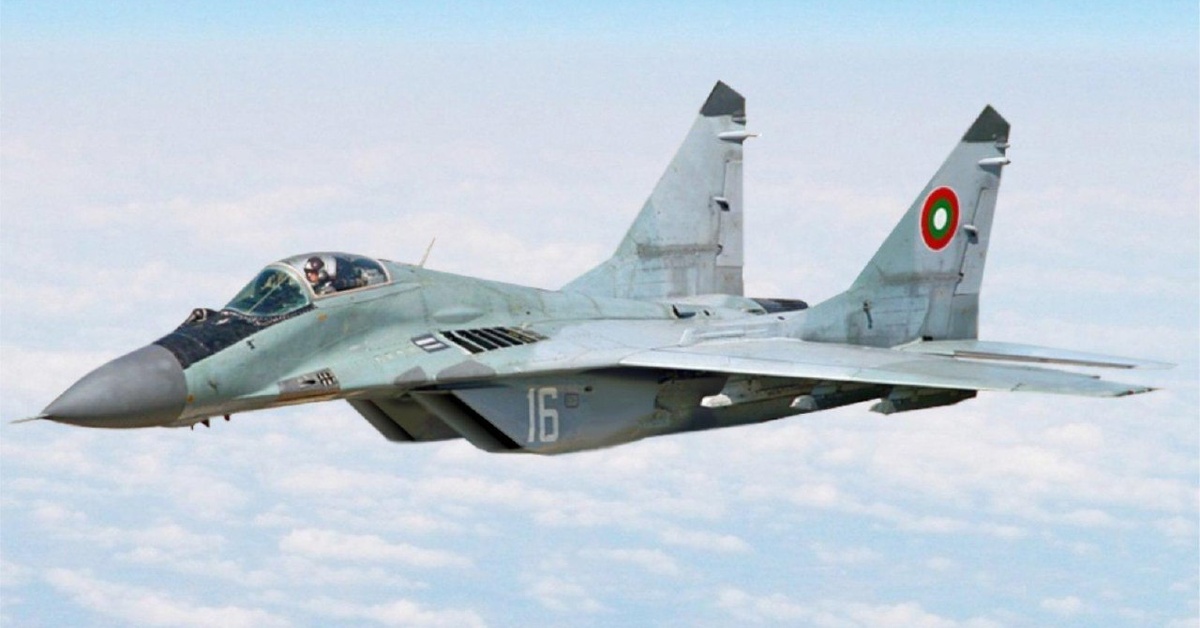
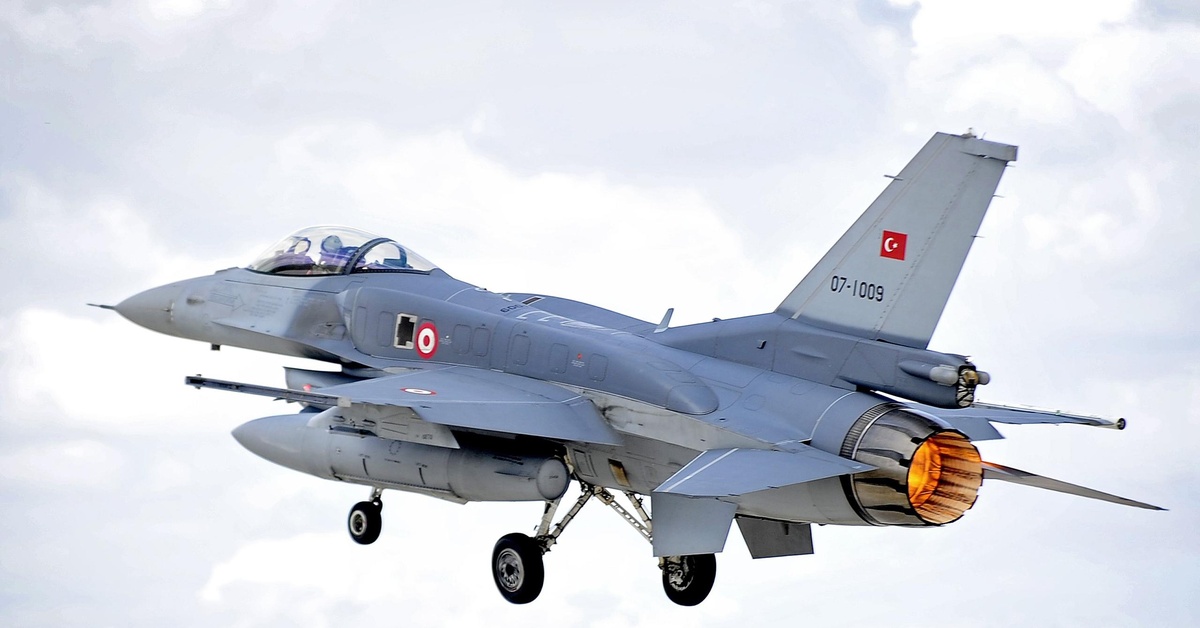
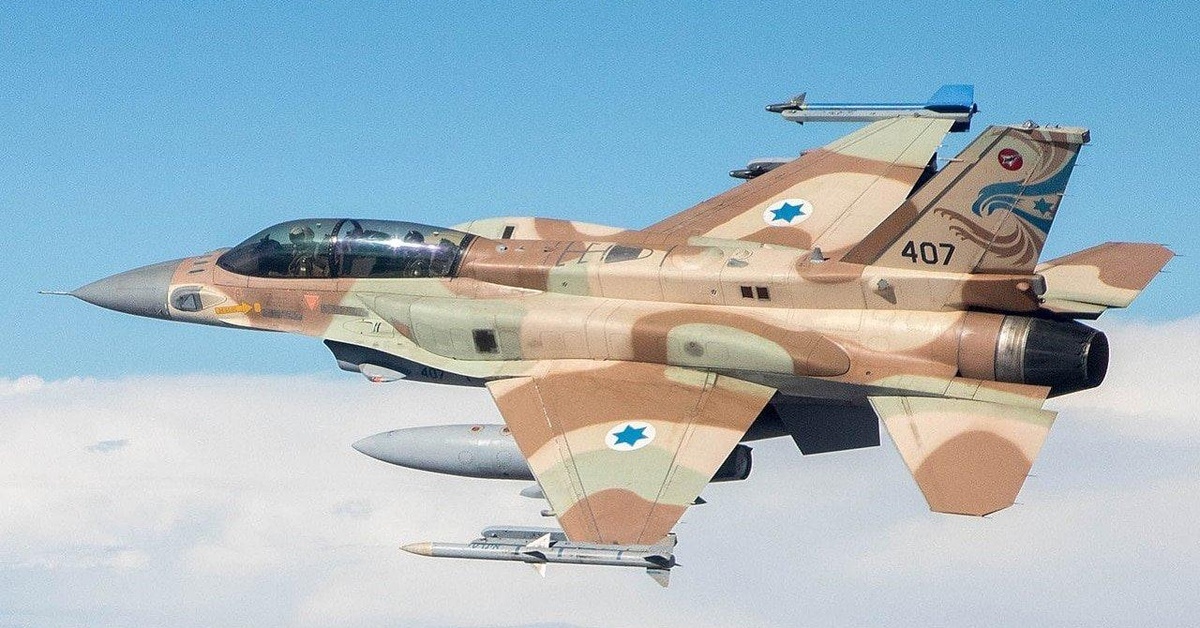
A dramatic series of events unfolded in the skies over Europe and the Middle East on Tuesday after a LOT Polish Airlines flight from Warsaw to Tel Aviv accidentally triggered a false hijack alert. The incident prompted a coordinated response from multiple countries, with Bulgarian, Turkish, and Israeli fighter jets scrambling to respond to the perceived threat.
According to officials, the flight, LO155, was operated by Bulgarian carrier Electra Airways on an Airbus A320, and had departed Warsaw earlier that day. However, in what appears to have been a pilot error, the transponder on board the aircraft inadvertently transmitted the universal squawk code 7500, indicating that the plane had been hijacked. This notification is used by air traffic control worldwide to alert authorities in the event of a suspected hijacking.
In response to the alert, a Bulgarian MiG-29 fighter jet was scrambled to intercept the aircraft and escort it through Bulgarian airspace. The plane was then handed over to two Turkish F-16s once it crossed into Turkish airspace, which continued to escort the flight until it exited the country. In addition, Israel also scrambled two fighter jets over the Mediterranean, but stood down after the crew of the LOT Polish Airlines flight successfully clarified the situation.
The crew on board LO155 quickly realized their mistake and corrected the error after being instructed by air traffic control to clarify the situation. According to officials, a wrong code had likely been entered into the transponder, resulting in the false alert.
As a precautionary measure, the flight was denied landing in both Cyprus and Ben Gurion Airport in Israel. It was ultimately diverted to Burgas, Bulgaria, where it landed safely at around 17:15 local time.
The incident highlights the complex and highly coordinated nature of international air defense, with multiple countries working together to respond to perceived threats in real-time. While the alert proved to be false, it serves as a reminder of the immense vigilance required to ensure the safety and security of air travel. An investigation into the incident is likely to be conducted to determine the cause of the mistake and to ensure that such an error does not occur in the future.