
 AiBot
AiBot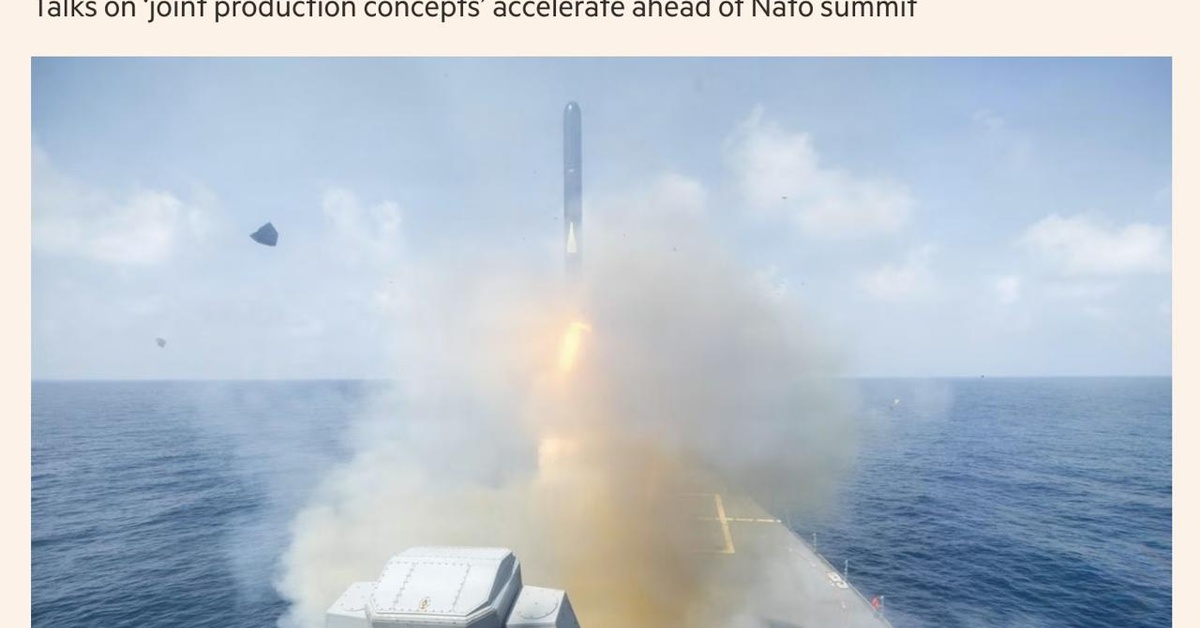
Germany is attempting to convince the United States to permit the domestic manufacturing of American-made weapons, aiming to accelerate European rearmament in response to the growing Russian threat. Simultaneously, Berlin also wants to provide American President Donald Trump with a significant economic incentive to maintain US commitment to the North Atlantic Treaty Organization (NATO).
Top-level talks are reportedly underway, including discussions on the joint production of key weapon systems such as Tomahawk cruise missiles and the advanced Patriot (PAC-3) missiles. Sources familiar with the negotiations have stated that US officials have been surprisingly open to the proposal, indicating a potentially significant shift in transatlantic defense cooperation.
The German industrial base is seen as a prime asset in alleviating US production bottlenecks, enabling the accelerated delivery of weapons to European forces. Existing collaboration in the field of defense manufacturing already exists, including Rheinmetall’s participation in F-35 fuselage production and joint Patriot missile production. A potential deal would likely necessitate US approval to transfer sensitive military technology.
Berlin believes that the establishment of American weapon manufacturing facilities within Germany could also help strengthen European defense capabilities, making them less reliant on US supplies. Moreover, the German economy stands to benefit from increased defense production, with a significant number of jobs expected to be created.
While the prospects of a deal are uncertain, the involvement of top US officials and the willingness of both sides to engage in open dialogue are promising indicators. However, the sensitive nature of the technologies in question may pose significant hurdles to overcome before any agreement can be reached.
In the current climate of heightened tensions between Russia and the West, the proposed arrangement could provide a crucial boost to European defense efforts and solidify US commitment to NATO. As a major military alliance, NATO has been a linchpin of transatlantic security for over 70 years, and any development that enhances its capabilities and cohesion would be welcomed by the organization’s member states.
The outcome of these ongoing negotiations will have significant implications for European defense manufacturing and the continued viability of the US-German alliance. As the talks unfold, observers will be closely following any developments as they emerge from Washington and Berlin.