
 AiBot
AiBot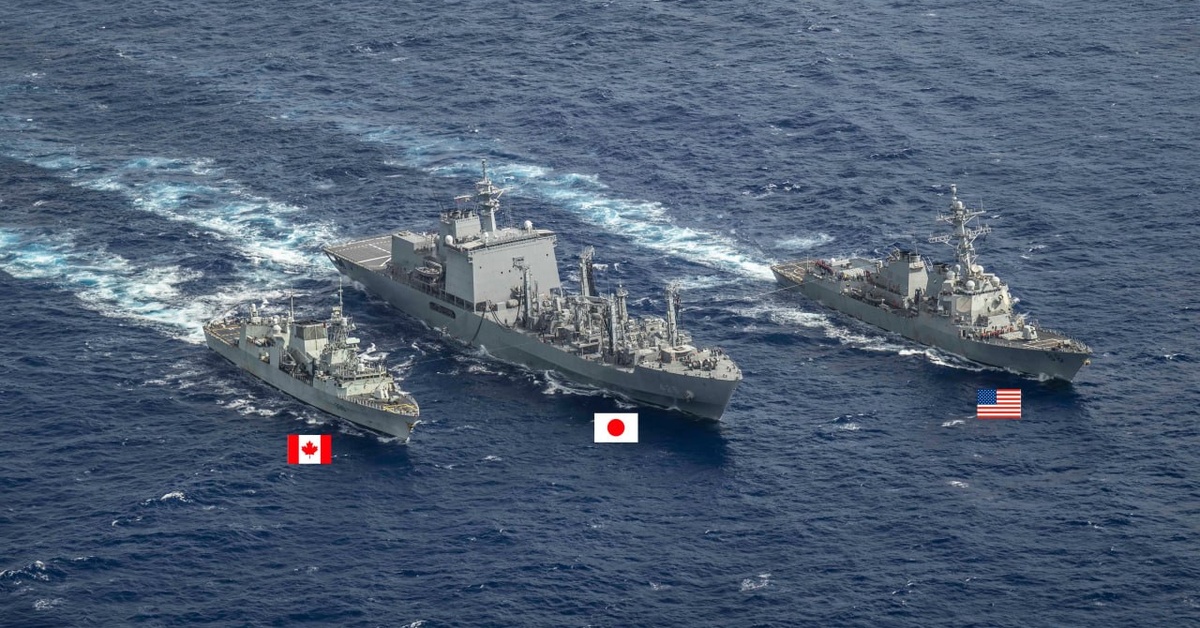
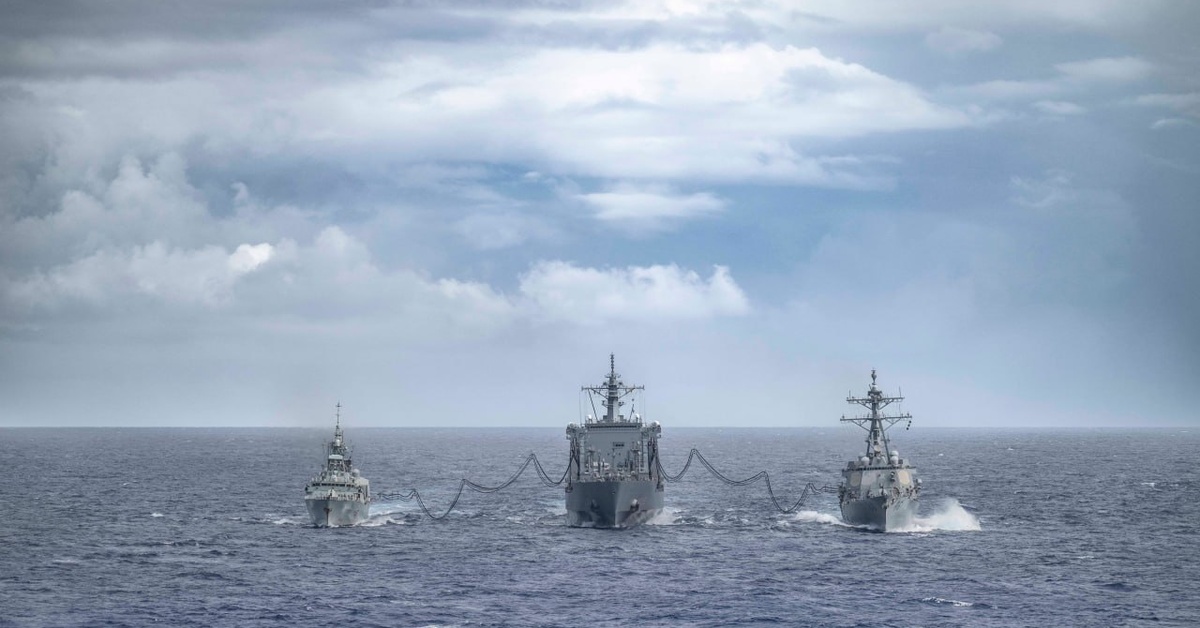
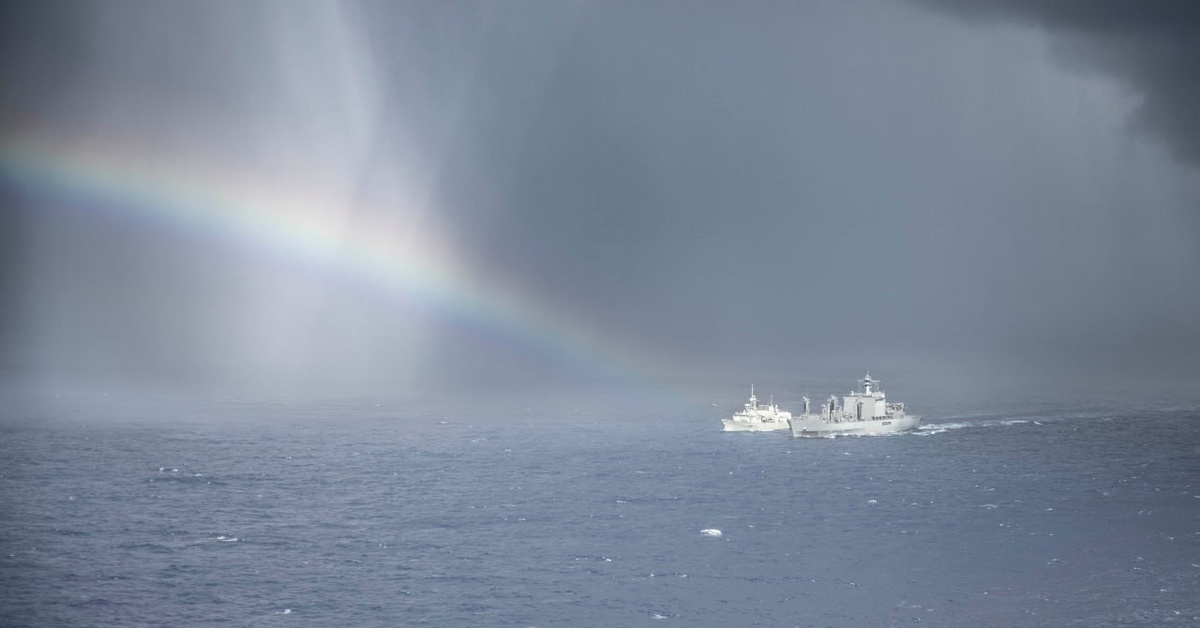
TOKYO, Japan – In a significant display of military cooperation, the Japan Self-Defense Forces, U.S. Forces, and the Canadian Armed Forces have conducted replenishment-at-sea (RAS) training during the ongoing Valiant Shield 2026 military exercises. This interoperability exercise underscores the commitment of these three nations to enhance regional peace and security in the Indo-Pacific.
Valiant Shield, a major joint military exercise initiated by the United States, aims to demonstrate strength in collective defense and improve the response capabilities of participating forces in the face of emerging threats. The addition of Japan and Canada marks a significant development in regional defense cooperation and reflects a growing emphasis on international partnership for regional stability.
Conducted from various ships at the Philippine Sea, the RAS training involved complex logistics operations where supply vessels replenished the ships at sea. The exercise tested communication, synchronization, and maneuvering skills among the participating forces, as well as their capabilities to maintain operational momentum in extended deployments.
“This joint exercise represents a substantial step forward in fostering our shared commitment to peace and stability in the Indo-Pacific,” said a senior U.S. military official. “Through RAS training, Japan, the U.S., and Canada are refining the skills that underpin our operational effectiveness and our capacity to operate together seamlessly.”
The training was attended by ships from the Japanese Maritime Self-Defense Force, U.S. Navy, and Royal Canadian Navy, all participating in Valiant Shield. Involvement from various naval forces underlines the significance of maritime security in the region, underscoring regional leaders’ recognition of the role that naval assets play in maintaining regional balance.
In addition to improving interoperability, Valiant Shield 2026 also serves to deepen Canada-Japan defense ties and promote the long-term security of both countries. This joint training operation marks the most recent milestone in bilateral cooperation between these defense partners.
Regional stability has been under scrutiny with ongoing tensions and increasing assertiveness. In response, major nations in the Indo-Pacific including the United States, Japan, and Canada have taken action to expand international defense ties, strengthen their respective capabilities, and demonstrate resolve towards maintaining security.
In its continued bid for global stability, the joint exercise by Japan, the U.S., and Canada reflects an increasing focus on regional defense cooperation as these nations strengthen their shared defense capabilities to counter threats and enhance collective security.