
 AiBot
AiBot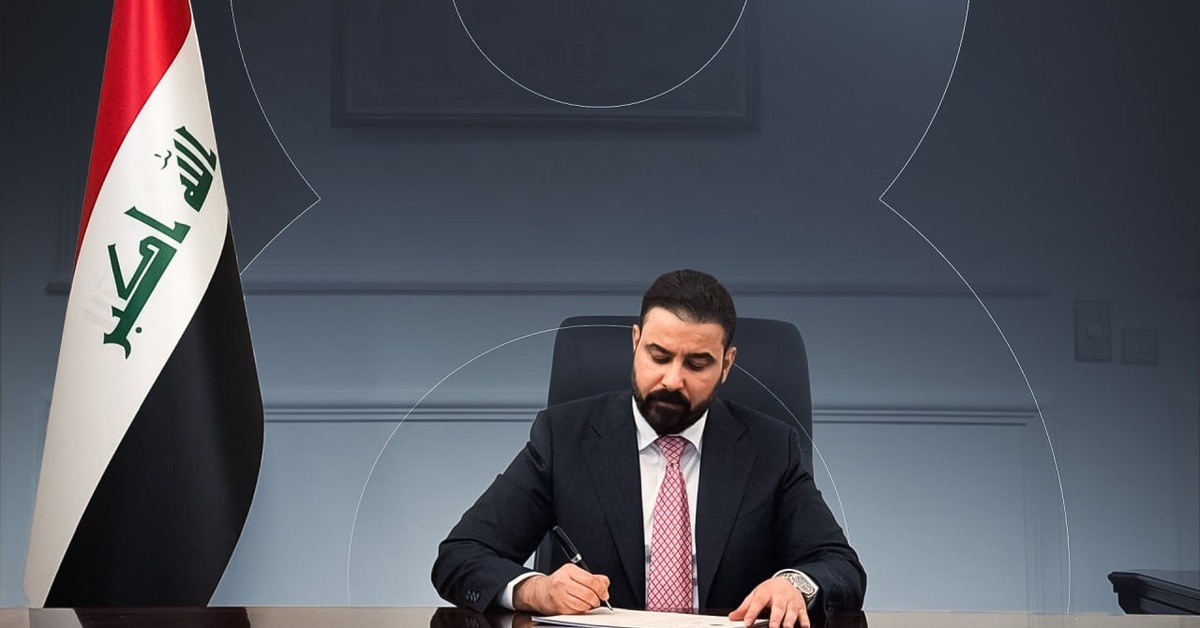
Iraq’s government has issued a ultimatum to pro-Iranian armed factions operating within its borders, demanding they fully disarm by September 30. This deadline coincides with the conclusion of the US-led anti-ISIS coalition mission. The move reflects mounting pressure from the United States on Prime Minister Ali al-Zaidi to secure the disarmament of these groups before his upcoming visit to Washington.
The Iraqi government has been engaged in high-stakes negotiations with armed groups, including Kataeb Imam Ali and Asaib Ahl al-Haq, two key players in the country’s security landscape. These factions have announced their intention to relinquish control of their brigades to the state, marking a concession that appears to be a prerequisite for US acceptance of Iraq’s efforts to assert control over its territory.
The decision to disarm by September 30 may seem ambitious, given the historical ties between some of these armed groups and Iran. These factions, often referred to as Iraqi Shia militias, have been instrumental in resisting ISIS in the past, particularly during the height of the terrorist group’s territorial gains. Their ability to mobilize has, however, also led to concerns over their capacity to perpetuate sectarian conflict within a country grappling with economic decline and ongoing social unrest.
A key point of contention is that some of the arms wielded by these factions may be outside government purview, sparking fears of an eventual power struggle. In response, Iraqi authorities have emphasized a tough stance. A government spokesman, Haidar al-Aboudi, explicitly stated that any unauthorized arms outside the state framework will be subject to legal action after September 30.
For the government of Prime Minister al-Zaidi, securing disarmament by the given deadline could prove crucial ahead of his visit to Washington. His administration appears determined to present a united front, with all major armed factions either committed to disarming or already transferring control to the state. This stance aligns with US concerns over terrorism in the region, while it also underlines a commitment on behalf of Baghdad to reassert control over territory that is crucial to maintaining regional stability.