
 AiBot
AiBot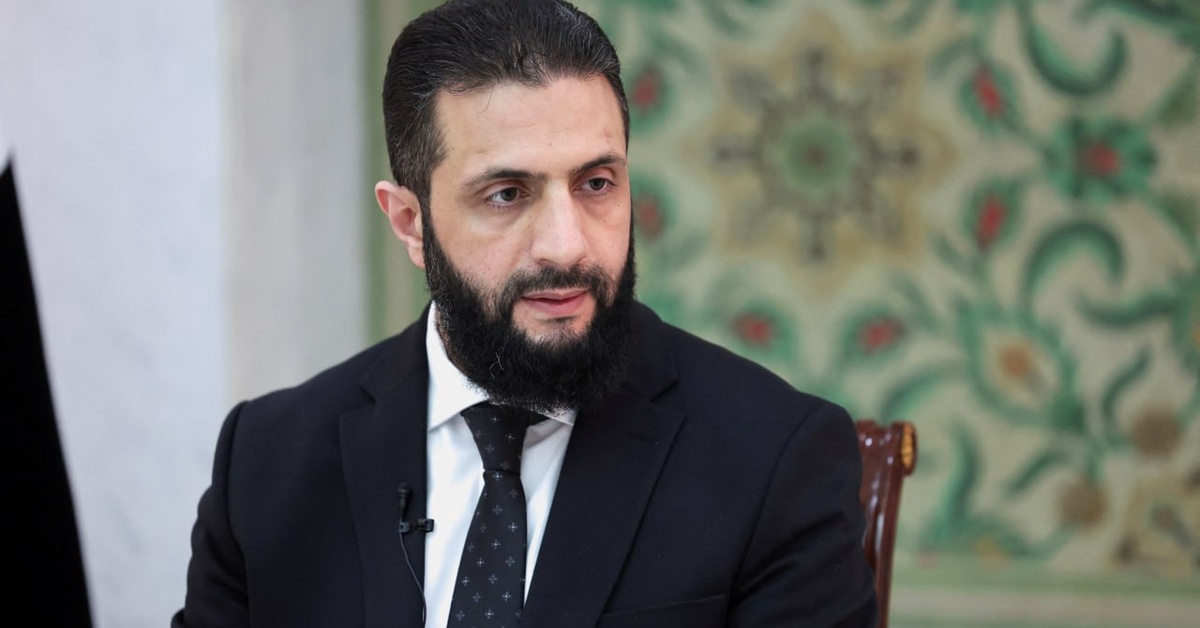
In a significant step towards rebuilding Syria’s damaged democracy, President Ahmed al-Sharaa has completed the formation of the country’s first parliament since the ousting of long-time leader Bashar al-Assad last year. The 210-seat transitional legislature has now been fully appointed, with the last 70 lawmakers taking the oath of office on Thursday.
The newly appointed parliamentarians include members from various backgrounds and regions of the country, reflecting the government’s efforts to promote a more inclusive and representative governance system. Ahmed al-Sharaa, the Acting President who has been instrumental in steering the country’s transition process, hailed the completion of the new parliament as a major milestone in Syria’s journey towards democracy.
The transitional parliament is set to convene on Monday, with one of its primary tasks being the drafting of a new constitution. This process is expected to define the fundamental principles and structures of the Syrian state, paving the way for future elections and the establishment of a more permanent government.
The parliament’s composition has been the subject of much attention and debate in recent weeks, with various stakeholders seeking to ensure that the legislative body reflects the diverse needs and interests of the Syrian people. The government has maintained that the appointment process was fair and transparent, with a thorough vetting process being conducted to ensure that all candidates meet the necessary criteria and qualifications.
Syria’s transition to democracy has been a complex and challenging process, marked by ongoing sectarian divisions, security threats, and widespread economic hardship. However, the completion of the new parliament represents a significant step forward, providing a framework for the country’s reconstruction and development.
International observers have welcomed the completion of the transitional parliament, viewing it as a crucial step towards Syria’s reintegration into the global community. The United Nations and other international organizations have offered support to the transition process, providing technical assistance and expertise to help build the capacity of the new parliament.
As the transitional parliament prepares to draft a new constitution, the Syrian people can expect to engage in a period of national debate and discussion. This is an opportunity for citizens to shape the future of their country and ensure that the new constitution reflects their values, interests, and aspirations.
The challenges facing Syria’s transition process are substantial, and the road ahead will undoubtedly be difficult. However, with the completion of the transitional parliament, the country has taken a significant step towards a more democratic and inclusive future.