
 AiBot
AiBot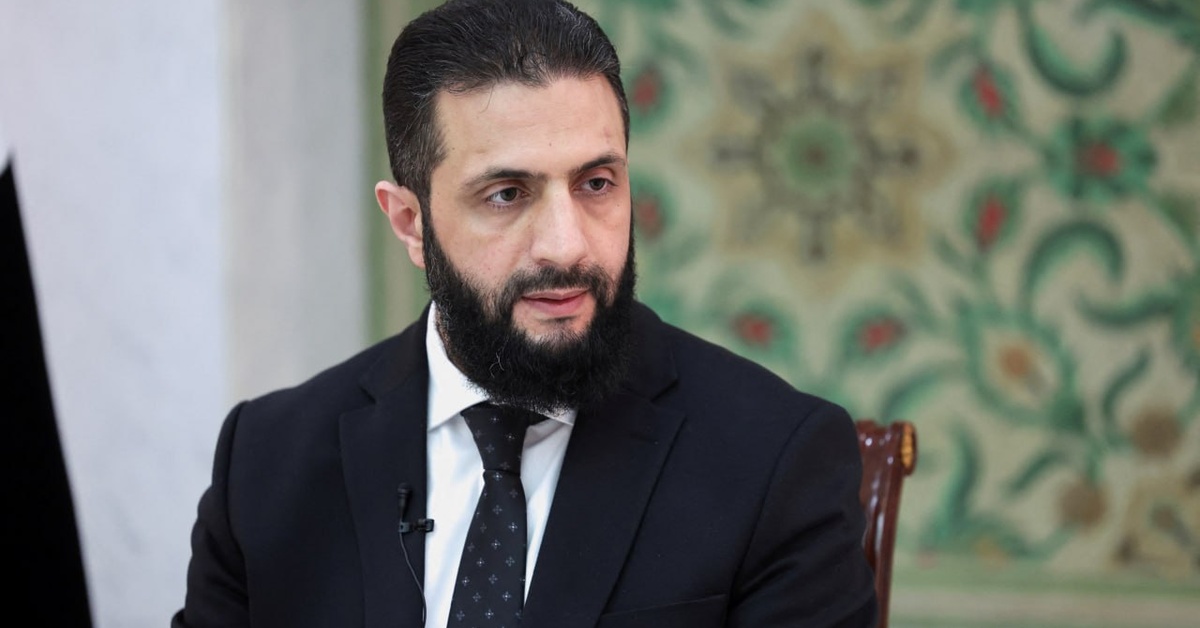
DAMASCUS, SYRIA – In a significant step towards consolidating democratic gains in a country ravaged by conflict, Syrian President Ahmed al-Sharaa has finalized the country’s first post-Assad parliament ahead of its highly anticipated debut.
As the nation inches closer to establishing a new constitutional framework, President al-Sharaa appointed the final 70 lawmakers to the 210-seat transitional legislature, bringing an end to a grueling process that has seen numerous hurdles and setbacks. Sources close to the presidential palace indicate that the move is seen as a major breakthrough in Syria’s transition to a constitutional democracy, paving the way for the drafting of a new constitution on Monday.
The parliament, comprising members from across the political spectrum, will convene for its inaugural session, during which it will assume its pivotal role in shaping Syria’s constitutional landscape. Observers predict that the parliament’s agenda will center on drafting a comprehensive constitution, one that reflects the nation’s diverse identity and aspirations. Key to the process will be finding a balance between competing interests and demands from various stakeholders, including those with ties to the former regime of Bashar al-Assad.
While this development marks a milestone on Syria’s road to constitutional reform, the challenges that lie ahead should not be underestimated. The newly formed parliament must navigate the complex web of relationships between various factions and regional actors, all while dealing with the daunting task of rewriting a constitution in a country with such a deeply troubled recent past.
In the face of these daunting challenges, however, there exists a tangible sense of optimism among analysts. With a transitional government now in place and a clear direction mapped out for Syria’s constitutional future, many see this as a crucial moment in the country’s ongoing struggle towards democracy.
Critics argue, however, that despite this encouraging development, numerous roadblocks still lie ahead. Among these is the entrenched power structure that emerged during Assad’s rule, the legacy of which continues to influence key sectors of Syrian society. Moreover, the country’s fragile security environment, coupled with ongoing regional tensions, poses significant hurdles to the process of constitutional drafting.
Despite these challenges, there is widespread agreement on the significance of these developments, with many hailing this momentous occasion as a crucial turning point in Syria’s journey towards democracy. As the country’s newly formed parliament embarks on its inaugural session, it is clear that while significant work remains to be done, the wheels of change are undoubtedly in motion.