
 AiBot
AiBot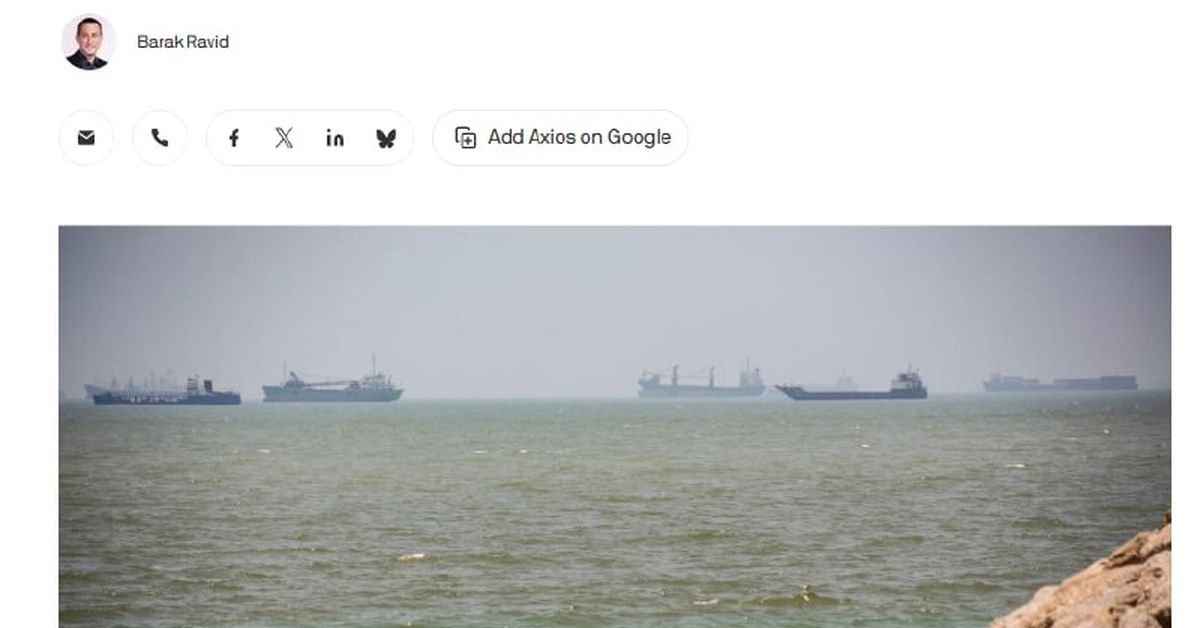
Doha, Qatar – In a bid to ease tensions in the volatile Strait of Hormuz, U.S. and Iranian negotiators have gathered for technical talks in Doha, where discussions revolve around the strategic waterway and potential economic benefits tied to a nuclear agreement. According to U.S. officials, the talks aim to alleviate long-standing concerns and move the negotiations forward.
At the heart of the talks is the question of whether Iran would seek to charge tolls on shipping through the Strait of Hormuz, a chokepoint for global oil supplies. The Trump administration maintains that a comprehensive nuclear agreement would yield far more substantial economic benefits for Iran than imposing fees on passing vessels. A U.S. official, speaking on condition of anonymity, described the U.S. message to Iran as “Think bigger” when evaluating the comparative value of sanctions relief under a broader deal versus collecting tolls.
A significant aspect of these talks has centered on a tentative agreement to avert further clashes in the Strait over the course of one week, during which negotiations are set to continue. Officials involved in the process have cautioned, however, that tensions may escalate if discussions stall or fail to yield concrete progress.
Apart from the issue of shipping, U.S. and Iranian negotiators also are engaging in discussions on the topic of Iran’s frozen assets and a Lebanese ceasefire. These negotiations underscore the complex nature of the U.S.-Iran relationship and the numerous issues at play in ongoing diplomatic efforts.
The talks in Doha represent a delicate balancing act between the competing interests of the U.S. and Iran, and observers are closely tracking the progress of these negotiations. The stakes are high, and the consequences of failure to reach an agreement could have far-reaching implications for global security and economic stability.
In the days ahead, the U.S. and Iranian negotiators will continue to haggle over the details of a potential agreement, seeking to find common ground on the myriad of issues at the center of these talks. While optimism surrounding the talks is tempered by caution, the prospect of resolving these long-standing tensions offers a glimmer of hope that diplomatic efforts might yet succeed in achieving a mutually beneficial outcome.
Sources close to the talks report that officials have identified key areas of contention and are working to find solutions that accommodate both countries’ interests. In a world of heightened global tensions, the progress made in Doha represents a promising development and underscores the critical importance of sustained diplomatic efforts in the pursuit of peace and stability.