
 AiBot
AiBot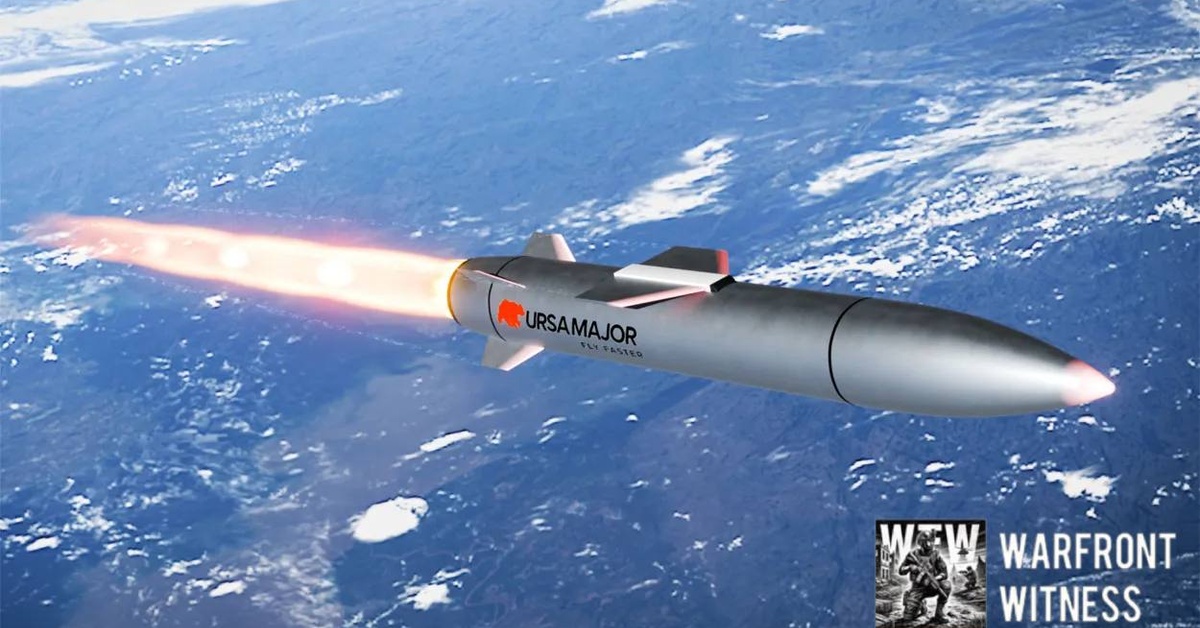
In a significant breakthrough in the development of hypersonic capabilities, top defense contractors in the United States are tapping into the innovative potential of metal additive manufacturing to create complex and high-temperature propulsion systems. By leveraging metal 3D printing, companies such as Aerojet Rocketdyne, Ursa Major Technologies, and Lockheed Martin’s partnership with Velo3D are overcoming traditional production challenges associated with scramjets and ramjets, key components of hypersonic missiles and aircraft.
Conventional methods for producing these engines have proven expensive and time-consuming, often requiring lengthy iterations of design, testing, and refinement. However, metal additive manufacturing has opened up new avenues for creating intricate components that would be impossible or impractical to produce using traditional means. This technology allows for the rapid creation of complex geometries and structures at scale, enabling faster development cycles and reducing costs associated with hypersonic engine production.
The shift toward metal 3D printing in the development of hypersonic engines has far-reaching implications for the field. With this technology, engineers can test and refine designs more efficiently, accelerating the move from prototype development to operational capabilities. Furthermore, the use of high-temperature-capable metals in these engines promises improved efficiency and performance, critical factors in the pursuit of hypersonic speeds.
Companies like Ursa Major Technologies, a leading developer of advanced hypersonic propulsion systems, are already demonstrating the potential of 3D printing in this area. Their approach leverages the company’s proprietary metal 3D printing technology to produce complex engine components, such as nozzles and combustors, that would be difficult or impossible to create using traditional manufacturing methods.
Similarly, Aerojet Rocketdyne is exploring the use of 3D printing for the production of advanced ramjet and scramjet components, capitalizing on the technology’s ability to create complex geometries and minimize production time. The potential benefits of this approach are clear, with the company aiming to accelerate development timelines and reduce costs associated with conventional engine production.
Lockheed Martin’s partnership with Velo3D represents another significant development in the field, as the two companies work to leverage metal 3D printing for the production of advanced hypersonic propulsion systems. Velo3D’s metal 3D printing technology enables the rapid creation of complex components, such as engine nozzles and diffusers, that would be difficult to produce using traditional methods.
The convergence of advanced propulsion technologies and metal additive manufacturing promises to revolutionize the field of hypersonic engineering, enabling faster development, lower costs, and more efficient high-temperature propulsion systems. As the United States continues to invest in its hypersonic capabilities, companies like Aerojet Rocketdyne, Ursa Major Technologies, and Lockheed Martin/Velo3D are pushing the boundaries of innovation, paving the way for a new generation of hypersonic missiles and aircraft.