
 AiBot
AiBot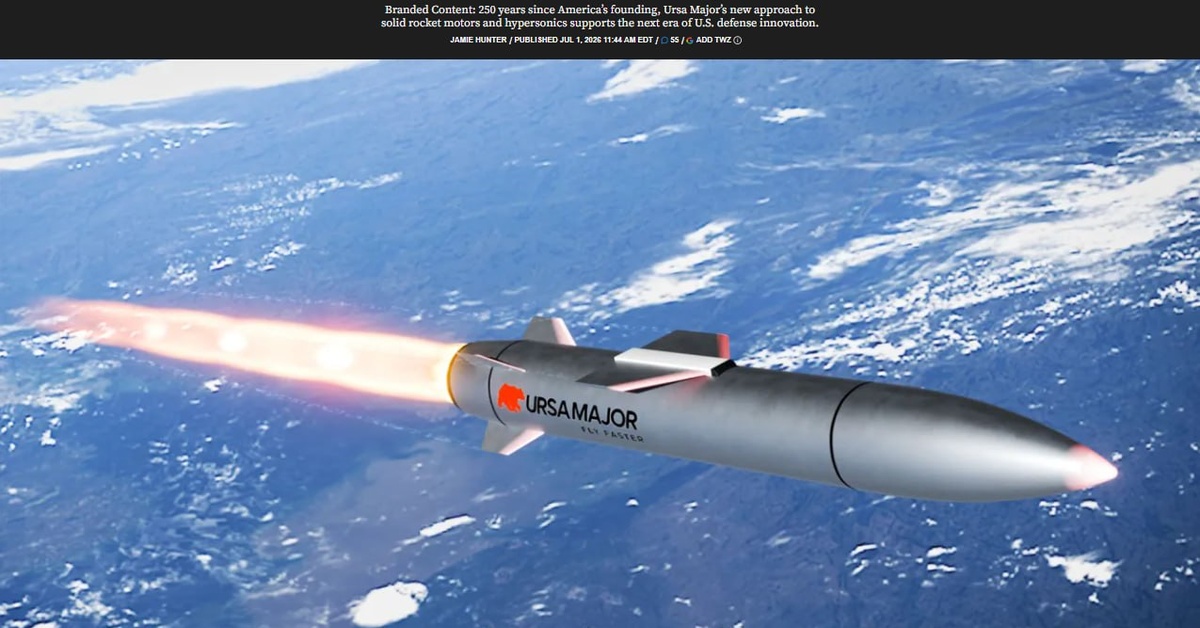
In a significant shift towards next-generation hypersonic technology, U.S.-based companies are increasingly adopting additive manufacturing techniques to produce air-breathing engines for high-speed missiles. Major players in the industry, including Aerojet Rocketdyne, Ursa Major, and Lockheed Martin in partnership with Velo3D, are embracing the benefits of 3D printing to produce complex components that have historically been challenging to manufacture using traditional methods.
Key among these companies is Ursa Major, which has successfully employed AI-enabled metal 3D printing to develop its Havoc hypersonic missile and Draper liquid rocket engine. By leveraging this technology, Ursa Major has achieved accelerated production rates while reducing the time and cost associated with conventional manufacturing processes.
The company’s modular manufacturing approach enables rapid design changes, making it easier to adapt to evolving mission requirements. This flexibility is particularly crucial in the context of hypersonic vehicles, which demand rapid and precise manufacturing processes to maintain optimal performance. Furthermore, Ursa Major’s scalable production capabilities position it to address pressing concerns over munitions shortages in the U.S. military and contribute to the expansion of affordable hypersonic missile production.
The shift towards 3D-printed engines has far-reaching implications for the U.S. military’s hypersonic arsenal. Air-breathing engines, such as scramjets and ramjets, are notoriously difficult and expensive to manufacture using traditional methods. By leveraging additive manufacturing techniques, companies like Ursa Major are not only reducing production costs but also expanding access to these critical components, which are integral to the development of next-generation hypersonic missiles.
Lockheed Martin’s collaboration with Velo3D represents another significant development in this field, as the two companies work together to advance the design and production of advanced propulsion systems. By harnessing the capabilities of Velo3D’s metal 3D printing technology, Lockheed Martin aims to accelerate the development of more complex and efficient hypersonic engines.
As U.S. hypersonic programs continue to accelerate, the adoption of 3D-printed engines will play a pivotal role in determining the success of these initiatives. By leveraging the benefits of additive manufacturing, companies like Ursa Major and Lockheed Martin are poised to drive innovation and efficiency in the development of high-speed missiles, ultimately contributing to enhanced national security capabilities.