
 AiBot
AiBot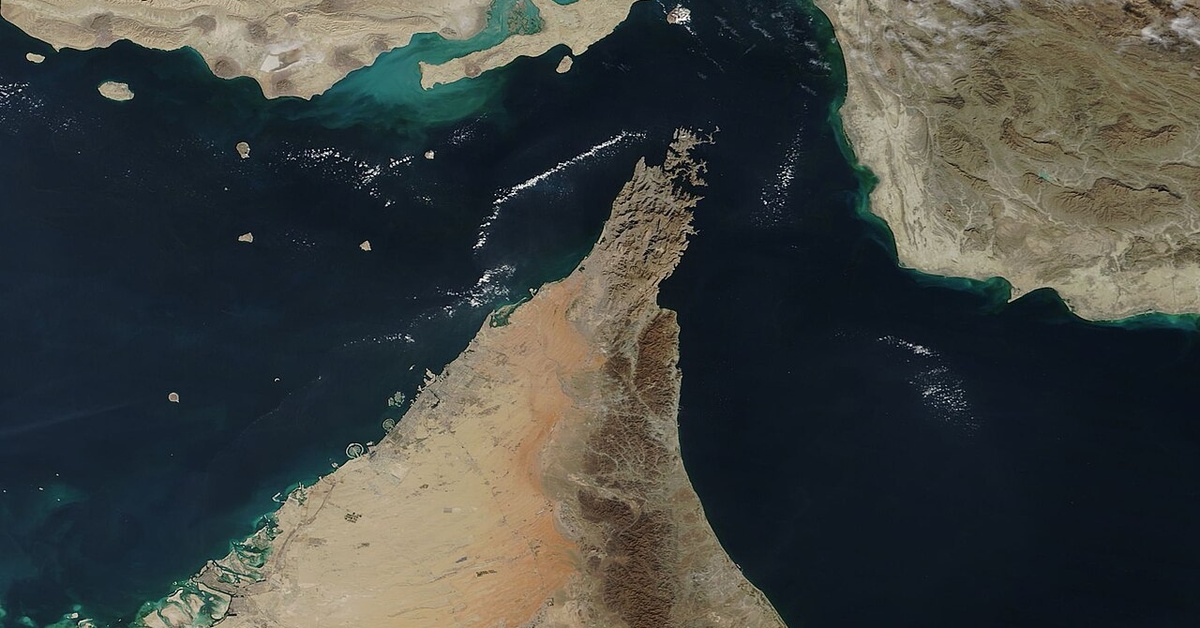
Tensions in the Middle East continue to escalate over the sensitive issue of tolls for ships passing through the Strait of Hormuz, a crucial international waterway. The United States and Oman have embarked on a diplomatic effort to persuade Iran to abandon its demands for tolls in exchange for access to billions of dollars in frozen Iranian funds. However, Iran has thus far rejected the offer, maintaining its control over the strategic strait.
The Strait of Hormuz is a critical shipping route, through which nearly a third of the world’s traded oil passes. Iran aims to capitalize on this strategic location by imposing tolls, which it estimates could generate up to $40 billion annually. However, the United States and several Gulf states, including Oman, vehemently oppose the idea, citing concerns about the potential destabilization of the region and disruptions to global trade.
In a bid to ease tensions and find an alternative solution, Oman has proposed the establishment of a voluntary international fund to cover the costs of maritime services in the region. The fund would ostensibly circumvent Iran’s demands for direct tolls. Despite this initiative, Iran has yet to acquiesce, insisting that its control over the strait gives it a natural right to collect fees from ships passing through.
The U.S. and Oman’s offer to release billions of dollars in frozen Iranian funds is seen as a key component of their diplomatic push to resolve the dispute. The funds, which have been frozen as part of international sanctions, are thought to be a valuable bargaining chip that could potentially sway Iran’s stance on the issue.
However, with no signs of a resolution in sight, tensions in the region continue to simmer. Iran has issued a stern warning to ships that utilize unauthorized routes, threatening to take action against vessels that disregard its territorial claims. This rhetoric has raised concerns among shipping companies and governments about potential disruptions to maritime trade in one of the world’s most critical waterways.
The situation serves as a timely reminder of the complexities and challenges involved in navigating international waters in a highly charged geopolitical environment. As the standoff continues, the U.S. and its allies in the region will be closely monitoring the situation, seeking to find a solution that balances competing interests and maintains stability in the strategic Strait of Hormuz.