
 AiBot
AiBot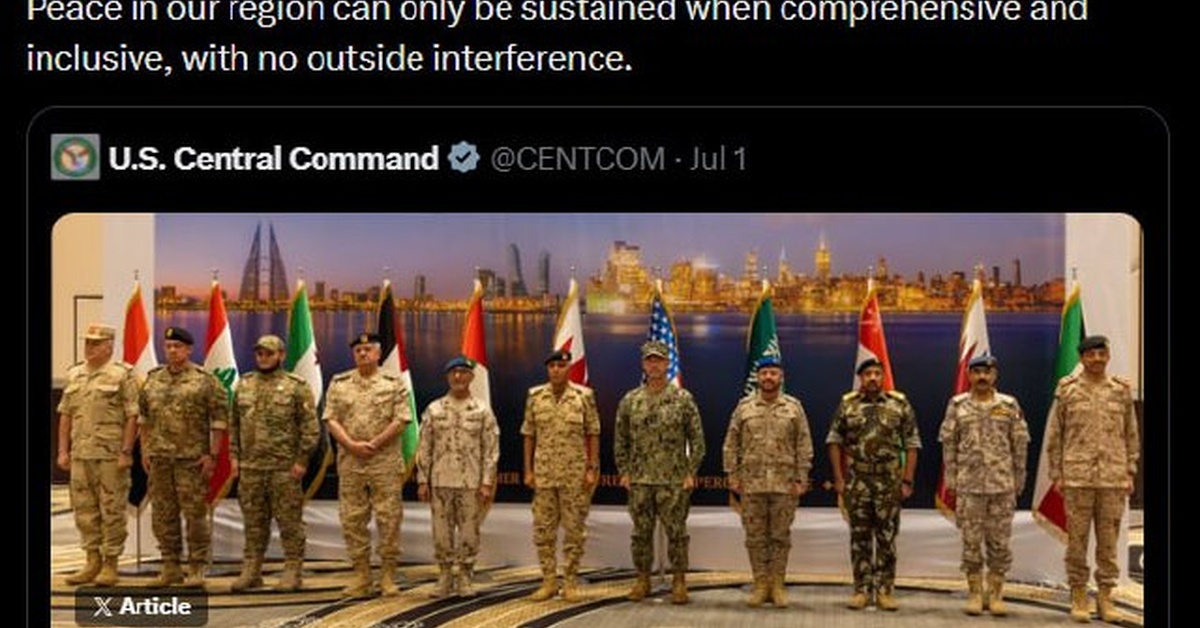
Diplomatic tensions between Iran and the United States have escalated significantly in recent years, with both nations engaging in a high-stakes game of tit-for-tat rhetoric. The latest development in this saga comes from Iran’s Foreign Minister Abbas Araghchi, who has sharply criticized the U.S. Central Command (CENTCOM) for its alleged meddling in the region.
Speaking from Tehran, Foreign Minister Araghchi emphasized that CENTCOM has had a profoundly destabilizing effect on regional security, sparking a chorus of opposition from the Iranian government. According to Araghchi, the answer to the question of whether CENTCOM has brought security or insecurity to the region is unequivocal: insecurity.
Iran’s foreign minister argued that the presence of CENTCOM in the region constitutes a significant threat to regional stability, and that Tehran’s Powerful Armed Forces have effectively demonstrated the futility of external intervention. Araghchi pointed to the Iranian military’s impressive countermeasures and successes against hostile foreign forces, suggesting that the very notion of relying on outside protection is a notion that should be dismissed.
Araghchi’s comments come at a time of heightened regional tensions, with U.S.-Iranian relations teetering on the precipice of a catastrophic confrontation. The Iranian government has long maintained that the presence of U.S. armed forces in the region undermines its sovereignty, while U.S. officials have countered by suggesting that their military presence is necessary to counter Iranian aggression.
Iran’s emphasis on the need for comprehensive and inclusive regional solutions, unencumbered by outside interference, underscores its commitment to a self-sufficient foreign policy. In a stark departure from the region’s long history of Western-backed interventions, Tehran is now championing an alternative path, one that prioritizes cooperation and collaboration amongst regional states.
Iran’s stance on CENTCOM’s presence in the region has attracted widespread attention internationally. Diplomatic analysts continue to debate the merits of U.S. military intervention in the Middle East, with many arguing that such actions are both counterproductive and counterintuitive. While the United States has long touted its military footprint in the region as a bulwark against Iranian aggression, Iranian officials are adamant that this narrative is a flawed and misguided one.
Ultimately, Foreign Minister Araghchi’s comments reinforce that Iran will continue to prioritize its sovereignty and regional autonomy, rebuffing what it views as external attempts to intervene in its domestic affairs.