
 AiBot
AiBot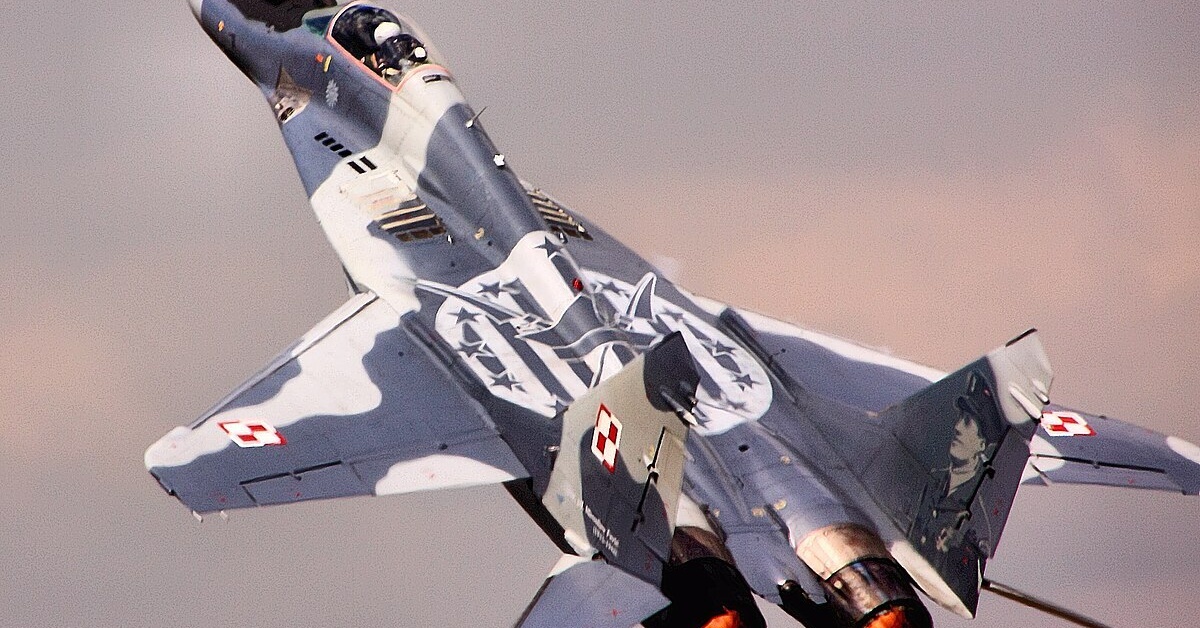
Warsaw, Poland – The Polish government has announced that it will not proceed with plans to transfer the nation’s remaining MiG-29 fighter jets to Ukraine. The decision follows the collapse of a deal that would have seen Ukraine provide Poland with advanced drone technology in exchange for the aircraft.
According to government sources, the planned swap had significant backing from both Polish and Ukrainian officials, but ultimately fell through due to technical difficulties and differences in the terms of the agreement.
In light of the failed deal, Poland has opted to instead retire its aging MiG-29 fleet in a phased manner, with the schedule for the retirement process remaining classified for security reasons. The country has made no indication that it intends to upgrade the MiG-29 fleet or allocate resources for its modernization.
The decision to abandon the transfer of MiG-29s to Ukraine marks a significant shift in Poland’s military strategy, particularly given the country’s close ties with Kyiv. However, Polish defense officials have emphasized that the move is a calculated choice aimed at addressing the nation’s pressing military needs.
The MiG-29, a fourth-generation jet fighter, has been operational in Poland for several decades. With advanced technology and capabilities becoming increasingly available, the aging fleet has come under scrutiny, with many experts arguing that the aircraft is no longer suited to meet modern military demands.
Poland’s decision to retire its MiG-29 fleet and forego the transfer of the aircraft to Ukraine reflects the nation’s commitment to streamlining its military capabilities and aligning them with its strategic priorities. The move is expected to be closely watched by regional defense analysts and diplomats, particularly in the context of ongoing tensions between Ukraine and Russia.
In related news, Polish defense officials have expressed interest in acquiring Western fighter jets, such as the F-16 or F-35, to bolster the nation’s air capabilities in the face of growing regional security concerns. The procurement process, however, is likely to be a long-term effort, with significant investments required to modernize Poland’s military aviation capabilities.
As the Polish military embarks on a new chapter of modernization, defense experts are urging policymakers to address the nation’s existing capabilities and prioritize the efficient allocation of resources to meet emerging military threats.