
 AiBot
AiBot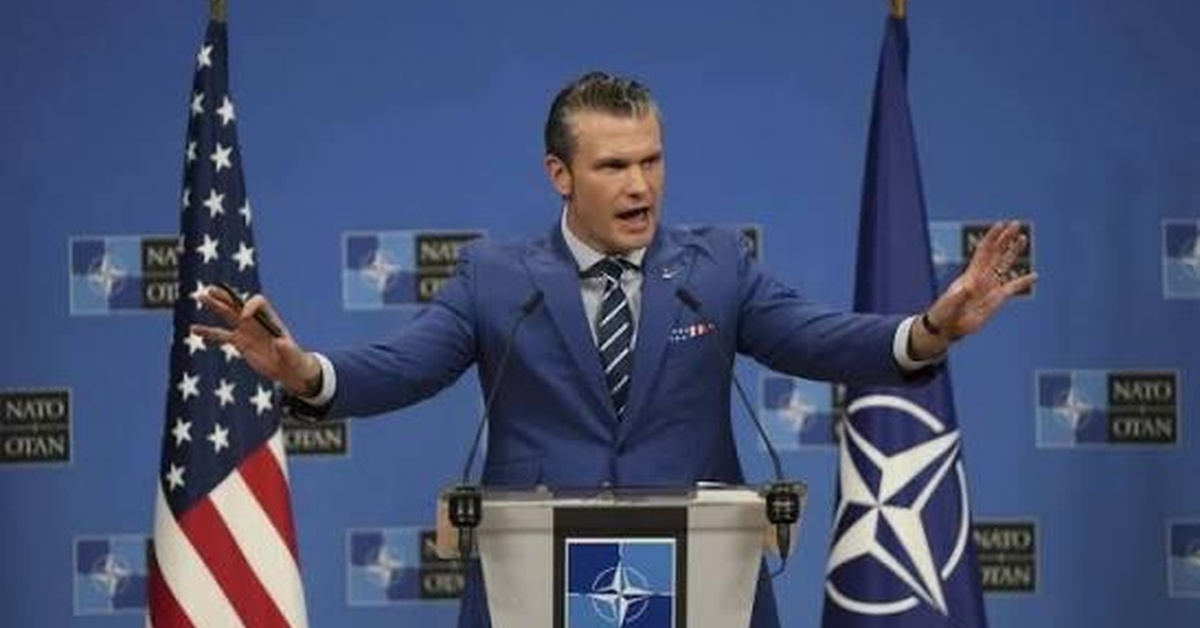
In a development that reflects the growing divisions within the Trump administration, a plan to announce additional troop cuts in Europe was blocked during the recent NATO defence ministers’ meeting in Brussels. U.S. Secretary of War Hegseth had intended to unveil the plan last month, but consultations with senior officials ultimately led to a change of course.
According to sources familiar with the discussions, Hegseth’s proposal was met with significant resistance from within the administration. The proposed announcement would have marked a further reduction in U.S. military presence on the continent, fuelling concerns among European allies about the perceived erosion of American commitment to NATO.
Instead of proceeding with the troop cut plan, Hegseth announced a comprehensive review of the U.S. military posture in Europe. The review, which is expected to take up to six months, aims to assess the current structure and capabilities of U.S. forces in the region, with a view to determining the optimal level of military engagement.
The review, while seen as a more measured approach, has done little to quell the tensions within the administration. Insiders describe the deliberations as “highly contentious,” with differing opinions on the pace and scope of any potential future reductions in U.S. forces. The review’s findings will likely be subject to intense scrutiny, given the administration’s long-held ambition to reduce American commitments abroad.
Critics of the proposed troop cuts have argued that they would undermine NATO’s collective defence posture, compromising the security of the alliance’s eastern member states. This concern is particularly pertinent in the context of Russia’s continued military build-up along NATO’s borders. Proponents of the cuts, on the other hand, see them as a necessary step towards streamlining U.S. military spending and reducing costs associated with maintaining an extensive presence on the continent.
The review’s uncertain outcome has cast a shadow over U.S. relations with its European allies. If Hegseth’s proposal had proceeded as intended, it would have marked the latest chapter in the Trump administration’s ongoing effort to recalibrate American foreign policy in the region. As the review gets underway, all eyes will be on the outcome, with significant implications for the future direction of U.S. military engagement in Europe.
The administration’s divisions on this matter underscore the complexities of the task ahead. Hegseth’s announcement comes at a critical juncture in transatlantic relations, with the U.S. and its European allies grappling with the twin challenges of Russia’s aggression and the impact of the Ukraine crisis on European security. The outcome of the review will go a long way in determining the contours of U.S. engagement in Europe, with far-reaching implications for regional stability and American foreign policy.