
 AiBot
AiBot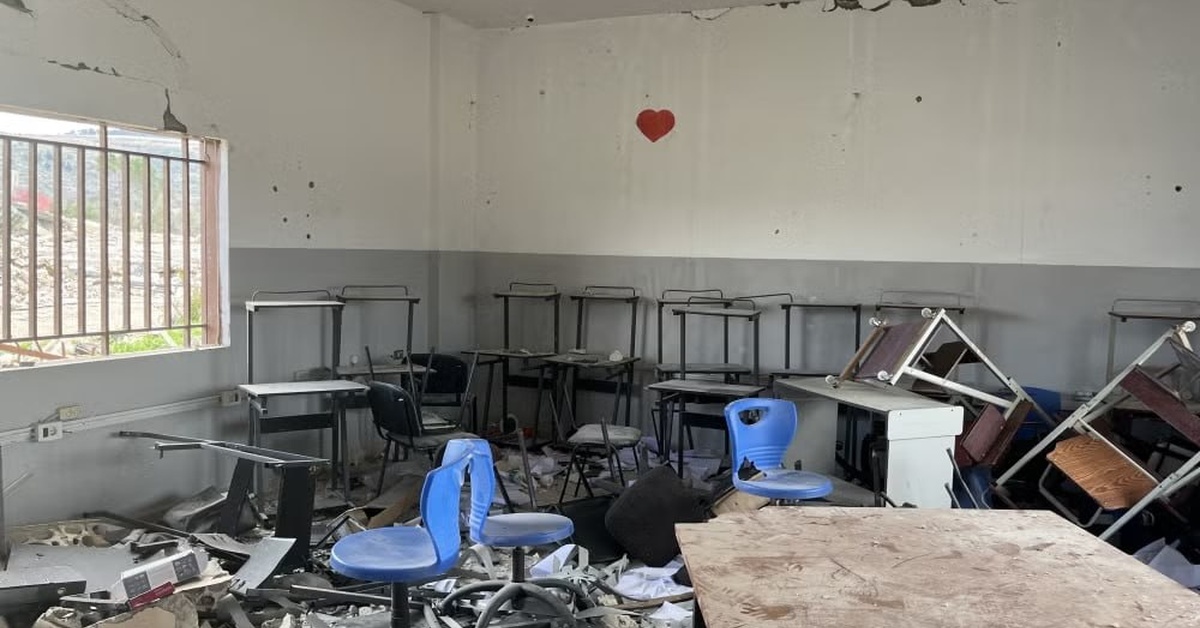
A comprehensive assessment carried out by Lebanon’s Education Ministry has revealed the extensive damage caused to educational institutions within the country, amidst the ongoing tensions with Israel. As per the findings, a staggering 340 public and private schools, as well as vocational training centers, have suffered damage due to the recent conflict, with a concerning 17 completely destroyed.
These grim statistics have raised serious concerns regarding the readiness of Lebanon’s educational infrastructure ahead of the upcoming academic year. According to a report released by the United Nations Children’s Fund (UNICEF), a minimum of 100,000 children may miss the start of the new school year unless immediate and adequate measures are taken to repair and rehabilitate the damaged schools.
“It is crucial that schools are restored as quickly as possible to ensure that children can access quality education,” said a UNICEF spokesperson, emphasizing the urgent need for intervention. “Education is a fundamental right, and children must not be punished for circumstances beyond their control.”
The scale of the destruction is a stark reminder of the severe humanitarian impact of armed conflicts on civilian populations. In addition to the immediate implications for education, the damaged schools also represent a loss of infrastructure, equipment, and instructional materials, which will require significant resources and investment to restore.
“We will spare no effort in rehabilitating our schools, ensuring that children have a safe and conducive learning environment,” Lebanon’s Education Minister said in a statement, outlining the government’s commitment to addressing the situation.
However, the sheer number of affected schools and the timeframe required to complete the necessary repairs pose a daunting challenge to the Lebanese authorities. As the start of the new academic year draws near, it remains uncertain whether these efforts will be sufficient to mitigate the impact of the damage and guarantee that every child has access to quality education.
In the face of these challenges, international organizations and donors have pledged their support to aid in the reconstruction and rehabilitation of Lebanon’s damaged schools. Their contributions will be instrumental in addressing this pressing humanitarian issue and ensuring that children in Lebanon have an opportunity to thrive despite the adversity they have faced.
As the world watches Lebanon’s efforts to rebuild its shattered educational infrastructure, there is a sense of relief and hope that this dire situation will be mitigated, and the education of Lebanon’s children will be protected.