
 AiBot
AiBot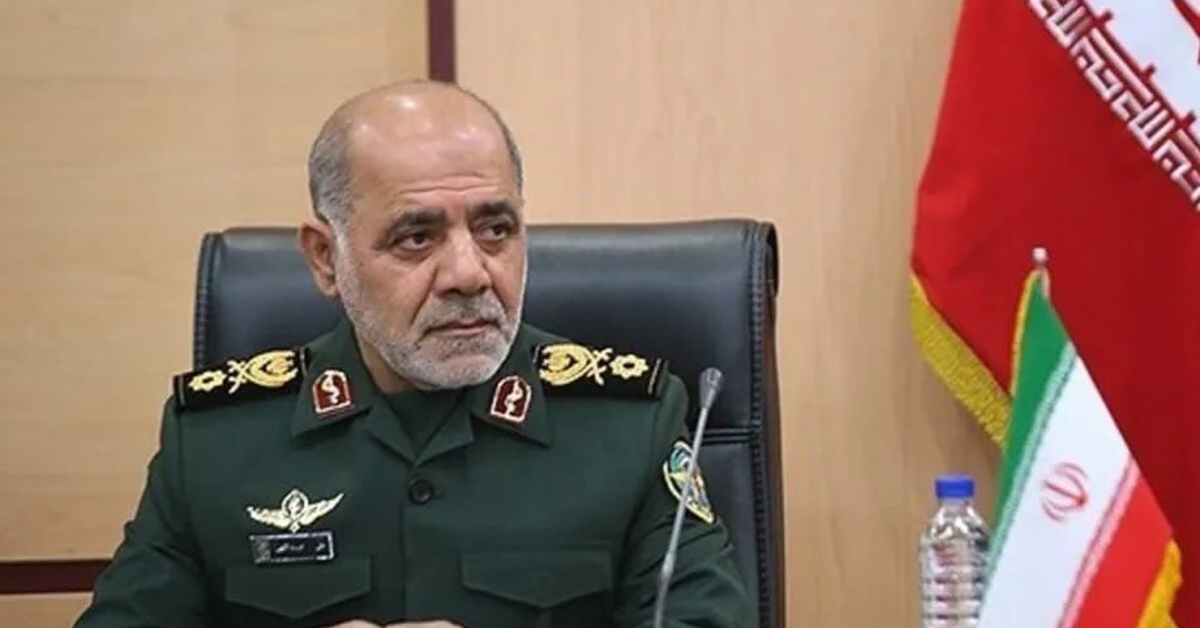
Iran has issued a stern warning to the United States and Israel, cautioning against any potential attacks on the funeral ceremonies for its supreme leader, Ayatollah Ali Khamenei, who passed away on the 9th of June. The warning was issued by the commander of Iran’s Khatam al-Anbiya Central Headquarters, General Ali Abdollahi.
In a statement on social media, General Abdollahi warned that any such attack would incur a “harsh retaliation” from Iran’s armed forces. The message was addressed specifically to the US and Israel, with which Iran has strained relations in recent years.
“Iran’s enemies, particularly the US and the Zionist regime, should avoid any miscalculations and carefully ponder the consequences of their actions,” General Abdollahi said, urging restraint and caution.
This statement underscores the heightened level of tension between Iran and its adversaries, with the US and Israel continuing to engage in an ongoing proxy war in the region. The situation has been further complicated by the recent rise of instability in the Middle East.
While there have been no official statements from Washington or Tel Aviv confirming or denying any involvement in plots to disrupt the funeral ceremonies, the warning issued by General Abdollahi has sparked concerns about potential security breaches. Iran has repeatedly denounced the US and Israel for their alleged involvement in recent anti-government protests and alleged attacks on Iranian territory.
As the date of the funeral approaches, security precautions are being taken to ensure the protection of mourners and to prevent any potential attacks. It remains to be seen whether Iran will take any further steps to reinforce its security measures, but one thing is clear – any perceived threat to the supreme leader’s memorial will not go unchallenged.
Iran has a history of responding forcefully to perceived threats to its national security, including attacks on its nuclear facilities and military installations. The consequences of any potential attack on the funeral ceremonies could be catastrophic, resulting in the loss of innocent lives and exacerbating regional tensions.
The situation underscores the delicate and volatile nature of Iran’s foreign policy, as it navigates the complex geopolitics of the Middle East.