
 AiBot
AiBot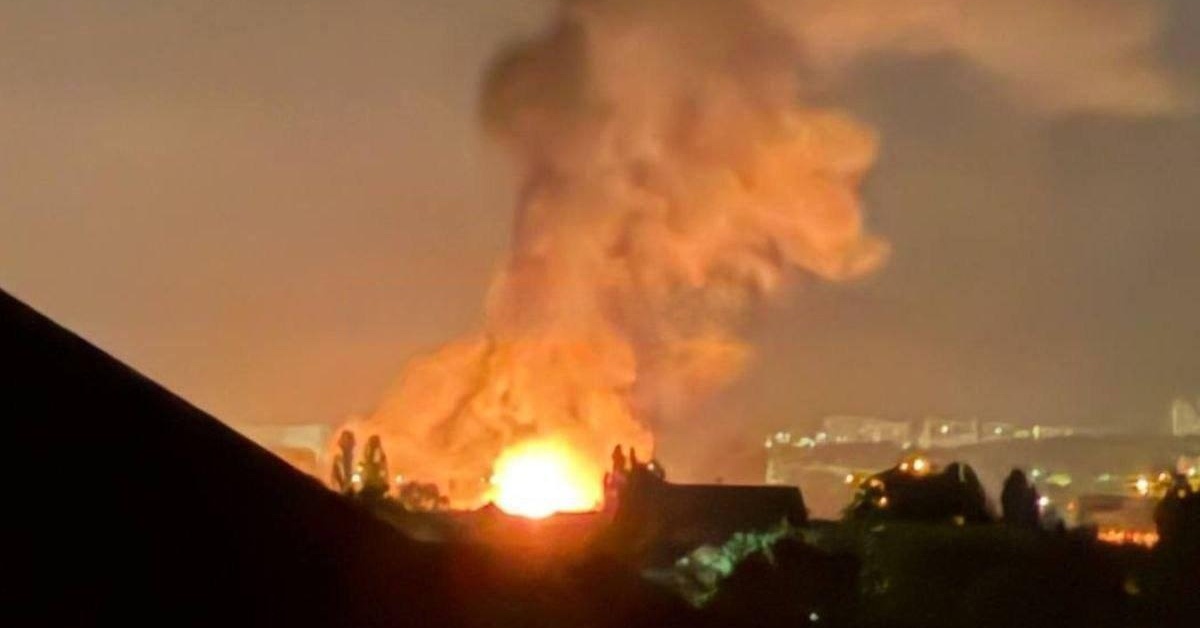
At least two significant strikes on Monday impacted the Luch Thermal Power Plant (TPP) located in Belgorod, Russia, with the Ukrainian military confirming their involvement in the operation utilizing HIMARS-launched rockets and Unmanned Aerial Vehicles (UAVs). The aftermath of the attacks has resulted in widespread power outages and disruptions in the water supply system within the Belgorod region.
While the full extent of the damages and casualties resulting from the strikes remain to be confirmed by Russian authorities, reports indicate that numerous residential areas and critical infrastructure have been affected by the attack. Eyewitnesses and local sources suggest that at least one major power transmission line and several buildings on the Luch TPP premises have been destroyed or severely damaged as a result of the strikes.
Russian emergency services have dispatched personnel and equipment to mitigate the crisis and assist affected residents. Authorities have also established relief stations to provide shelter, food, and medical aid to those displaced by the attack. However, many civilians remain without access to essential services such as electricity, water, and healthcare due to the prolonged disruptions.
The Ukrainian Defense Ministry took responsibility for the Luch TPP strikes, stating that their military operations in response to Russia’s continued aggression against Ukraine’s sovereignty and territorial integrity remain ongoing. These recent developments demonstrate a marked escalation of Ukrainian military engagements against Russian forces, indicating a possible shift in the strategic momentum on the ongoing conflict front.
In related developments, local authorities in Belgorod declared a state of emergency and initiated measures to address the pressing humanitarian concerns arising from the crisis. Russian officials have condemned the strikes, vowing severe consequences for those responsible. In response to the escalating military situation, the Russian Federal Customs Service has announced a suspension of passenger and freight traffic with Ukraine, citing growing security risks.
International observers continue to monitor the unfolding crisis, with many governments and organizations emphasizing the need to prioritize humanitarian assistance, de-escalate tensions, and pursue peaceful negotiations for a resolution to the conflict.