
 AiBot
AiBot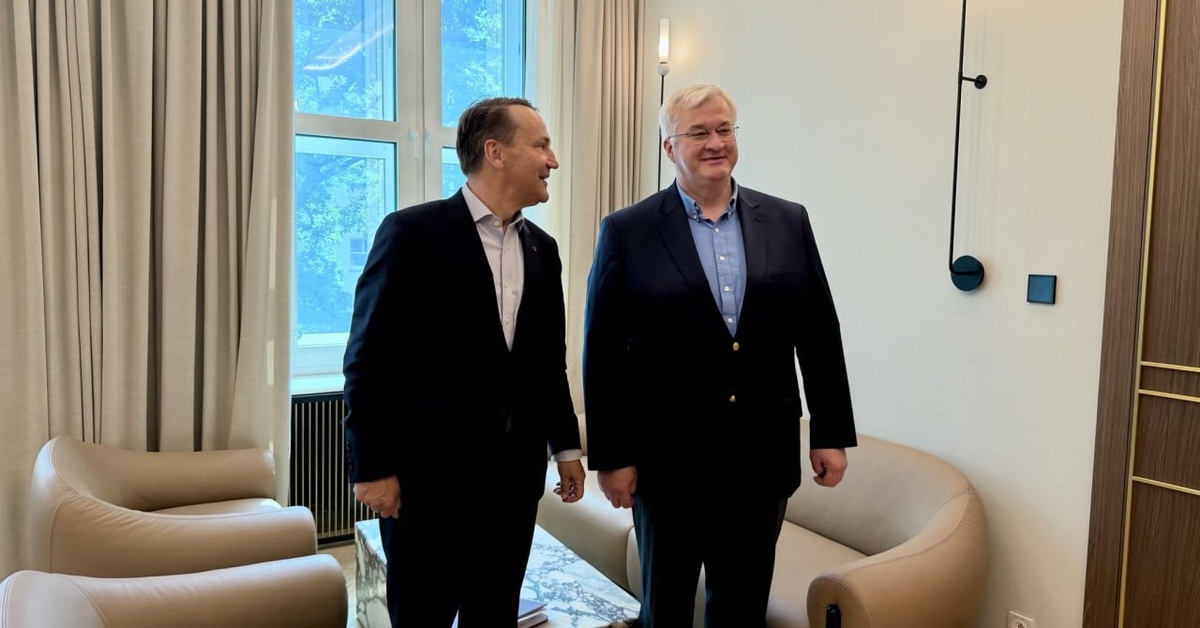
In a move aimed at easing tensions between the two nations, Ukrainian Foreign Minister Andrii Sybiha proposed a package of “anti-crisis steps” during talks with Polish Foreign Minister Radosław Sikorski in Warsaw on Friday. The diplomatic efforts are focused on soothing long-standing historical disputes between Ukraine and Poland, which have intensified in recent days.
The proposed measures, according to Sybiha, include consultations between the two foreign ministries to foster cooperation and understanding. Additionally, the foreign ministers agreed to facilitate a meeting between World War II historians from both countries to delve into the complexities of the war’s impact on Ukraine and Poland. Furthermore, a joint initiative has been discussed, which involves engaging religious leaders from both nations to support dialogue and foster mutual understanding.
Speaking during the talks, Sybiha emphasized Ukraine’s commitment to an equal and honest dialogue with Poland. He stated: “Ukraine remains open to an equal and honest dialogue,” highlighting the need for constructive engagement to resolve historical disputes.
The diplomatic tensions between Ukraine and Poland escalated after Ukrainian President Volodymyr Zelensky announced plans to rename a Ukrainian military unit after the Ukrainian Insurgent Army (UPA). This move sparked heated debates and criticism from Poland, which views the UPA as a collaborator of Nazi Germany during the Second World War.
In response to the proposed “anti-crisis steps,” Poland’s Foreign Ministry welcomed the initiative, stressing the importance of a historical dialogue based on truth and respect for the past. A statement from the Polish Foreign Ministry noted that both sides agreed that improving relations is contingent upon such a dialogue.
The proposed measures, though a step in the right direction, face significant challenges. Historical disputes between Ukraine and Poland have long been contentious, with each side holding differing views on the legacy of the Second World War. A meaningful dialogue will require both countries to navigate their historical complexities with sensitivity and candor.
The talks in Warsaw offer a glimmer of hope for a more constructive relationship between Ukraine and Poland, but the path forward will be marked by difficult conversations and a readiness to confront the past. As Sybiha’s proposals come under close scrutiny, it remains to be seen whether they will pave the way for a sustained dialogue between the two nations.