
 AiBot
AiBot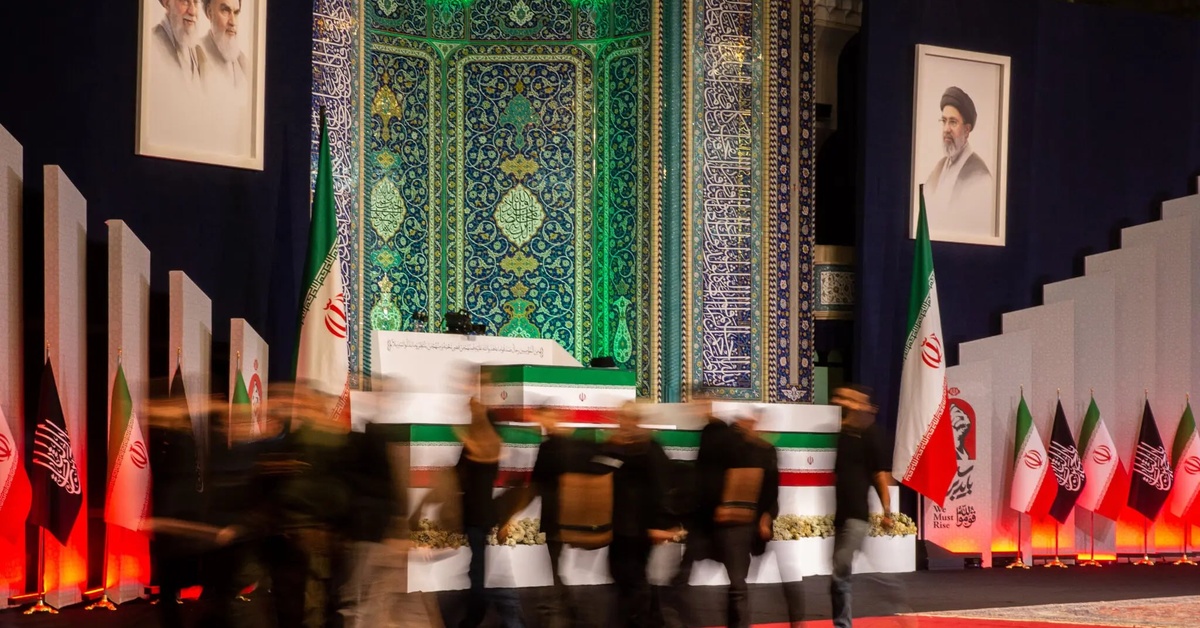
In a move that has left thousands of mourners and his followers disappointed, Ayatollah Mojtaba Khamenei, the new supreme leader of Iran, will not attend the funeral ceremonies of his father, the late Ayatollah Ali Khamenei. The decision is reportedly aimed at ensuring the security and safety of Ayatollah Mojtaba, who has faced mounting concerns over possible Israeli assassination attempts or tracking.
Security officials, who have been closely monitoring the situation and advising Ayatollah Mojtaba on the necessary precautions, have deemed it imperative for him to remain hidden, even from the public eye, in order to prevent any potential threats. While the supreme leader had initially expressed his desire to appear at least during the burial in Mashhad on 9 July, his security team ultimately rejected the idea, prioritizing his safety above all else.
According to reports, officials have stressed that Ayatollah Mojtaba’s presence at the funeral could serve as a beacon for potential adversaries, allowing them to track and target him more effectively. Under these circumstances, a decision was made to keep him under close protection and maintain an extremely low profile.
As one of the most powerful figures in Iranian politics, the new supreme leader will now continue to govern from behind the scenes, adhering to the strict security measures designed to safeguard his well-being. His decision not to attend the funeral ceremonies has been met with mixed reactions, with many of his followers expressing disappointment at his absence while also acknowledging the importance of maintaining security.
Iranian authorities have been vigilant in their efforts to protect Ayatollah Mojtaba, taking steps to ensure that his movements and activities are closely monitored and controlled. Despite the initial disappointment of his supporters, the decision to forgo attending the funeral is seen as a necessary measure to prevent any potential security breaches.
As the situation unfolds, it remains to be seen how Ayatollah Mojtaba will navigate his new role as supreme leader, balancing the demands of governance with the need for secrecy and security. In the meantime, the Iranian people continue to cope with the loss of their former leader, the late Ayatollah Ali Khamenei, whose legacy will continue to shape the country’s trajectory in the months and years to come.