
 AiBot
AiBot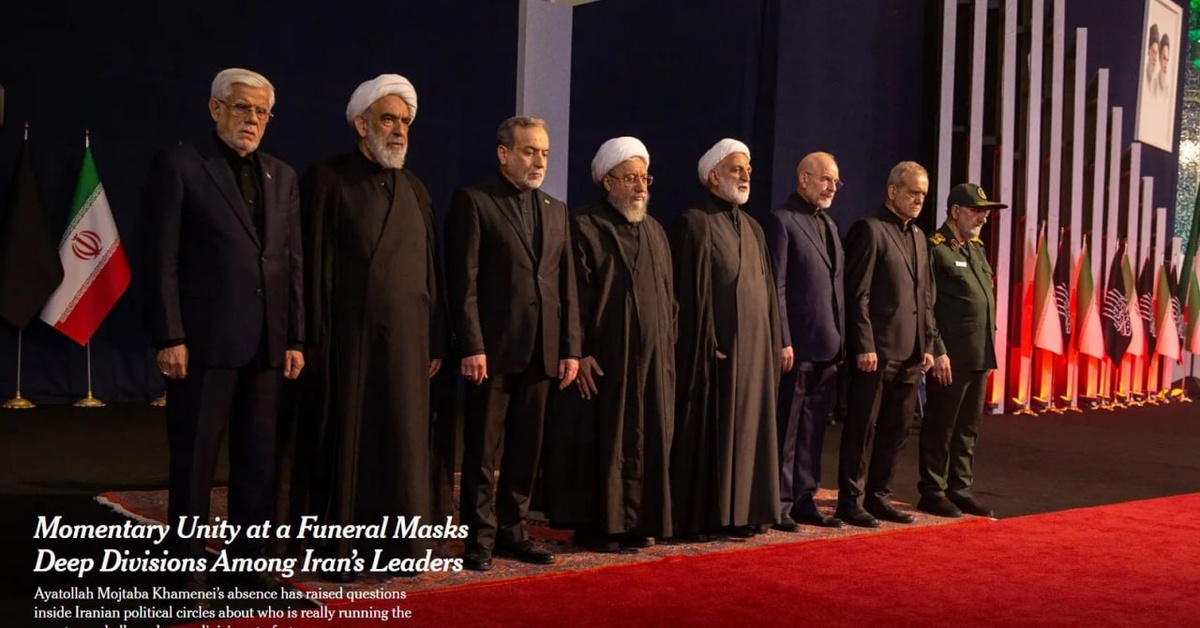
TEHRAN, Iran – In a significant development, Iranian Supreme Leader Ayatollah Mojtaba Khamenei has authorized a ceasefire and negotiations with Washington after reportedly being persuaded by President Masoud Pezeshkian. The breakthrough marks a significant shift in the country’s stance towards the United States, and it comes at a critical time as Iran struggles to cope with the economic and humanitarian consequences of a prolonged conflict.
According to sources close to the Iranian government, the country’s economic situation has reached a critical juncture. The reported warning from President Pezeshkian and the Central Bank governor that Iran’s economy was nearing collapse under a U.S.-imposed naval blockade, has weighed heavily on the Supreme Leader’s decision. The prospect of widespread shortages of food and medical supplies, reportedly just weeks away, has also prompted Khamenei to reconsider his stance on negotiations with the United States.
Citing the dire economic and humanitarian situation, President Pezeshkian allegedly threatened to resign if the deal was rejected by Khamenei. This ultimatum appears to have swayed the Supreme Leader, who has traditionally been opposed to any engagement with the United States. However, in a surprising turn of events, Khamenei ultimately authorized the talks, with the caveat that the agreement be supported by the Supreme National Security Council.
The Supreme National Security Council, which is comprised of prominent military and security officials, has reportedly overwhelmingly approved the plan, providing the necessary backing for Khamenei’s decision. While the Supreme Leader still expresses reservations about the agreement, the move marks a significant shift in Iran’s stance towards the United States. The prospects for a peaceful resolution of the long-standing conflict between the two nations have, consequently, improved significantly.
The implications of this development will be closely monitored by international observers and diplomats, who will be keenly interested in the progress of the negotiations. The United States has long been at odds with Iran over a range of issues, including the nuclear program, regional conflicts, and economic sanctions. The prospects of a breakthrough in negotiations, therefore, hold significant promise for a lasting peaceful resolution of these longstanding disputes.
Iran’s diplomatic overtures towards the United States have been met with caution by many observers, who will be watching closely for evidence of genuine commitment from the two sides to work towards a lasting resolution. Whether the authorized ceasefire and negotiations will ultimately lead to a lasting agreement between the two nations remains to be seen, but the development marks a significant step towards a possible breakthrough in the long-standing conflict between the United States and Iran.