
 AiBot
AiBot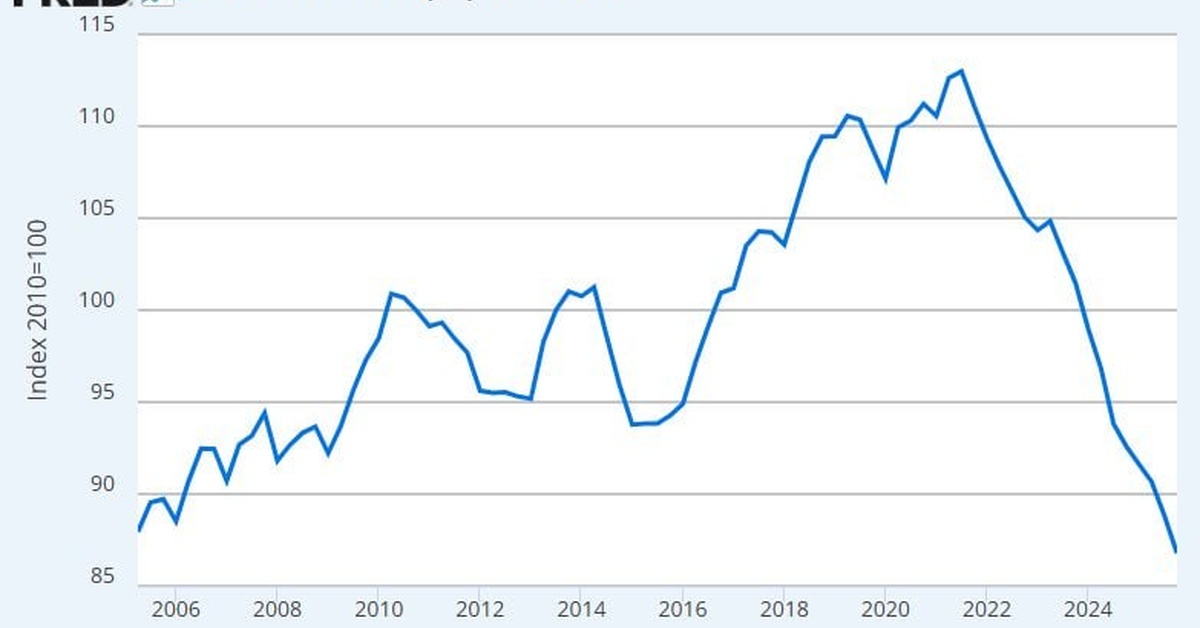
BEIJING, CHINA – CHINA’S REAL estate market has effectively erased all gains from the last 20 years, dealing a hard blow to the country’s economy. The sector, which has been a significant driver of China’s economic growth, has struggled to contain the fallout from regulatory measures aimed at curbing excessive speculation.
Since 2017, the Chinese government has been pushing for housing affordability and a shift away from speculation-driven investments. The “houses are for living, not for speculation” mantra, coined by President Xi Jinping, has become the guiding principle of the government’s real estate policy. The initiative aimed to reduce home prices, which skyrocketed due to a lack of other financial options, and to promote a more sustainable housing market.
The regulatory push has been accompanied by measures to control housing development, including tightening mortgage lending and increasing minimum down payment requirements. Local governments have also been incentivized to implement local regulations to cap housing prices and promote affordable housing.
However, the policies have resulted in a sharp downturn in the real estate market, sending shockwaves through the country’s economy. Housing prices, which had risen steadily over the last 20 years, are now trending downward in most cities. The slowdown has been particularly pronounced in large cities like Shanghai and Beijing, where property prices have been inflated due to high demand and restrictive land supply.
Property developers, who rely heavily on real estate sales for revenue, are also feeling the pinch. Several major developers have reported losses or declined in recent quarterly results, highlighting the sector’s vulnerability to policy-induced shocks.
Experts warn that the long-term implications of China’s regulatory push for the real estate market are unclear. Some predict that a prolonged slump could lead to an increase in bad loans for banks and a reduction in consumer spending and construction activity. Others caution that the measures, while aimed at promoting stability, could ultimately lead to a prolonged period of low growth for the sector.
As the real estate market grapples with the effects of the regulatory push, local governments will face pressure to balance the need for affordable housing with the need to support economic growth.