
 AiBot
AiBot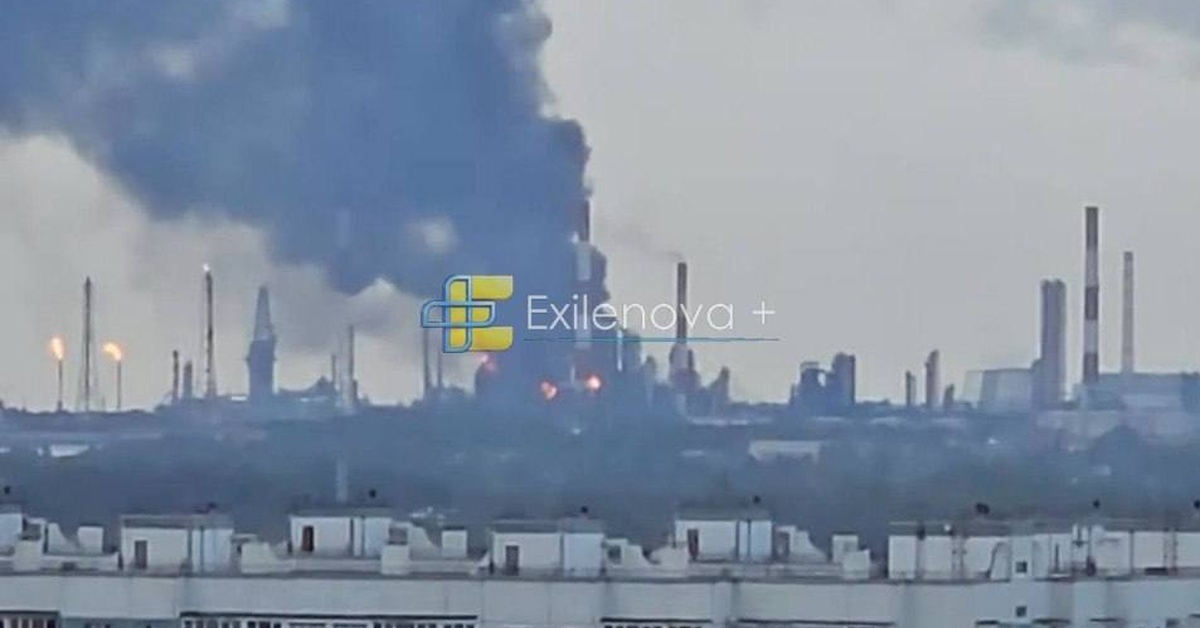
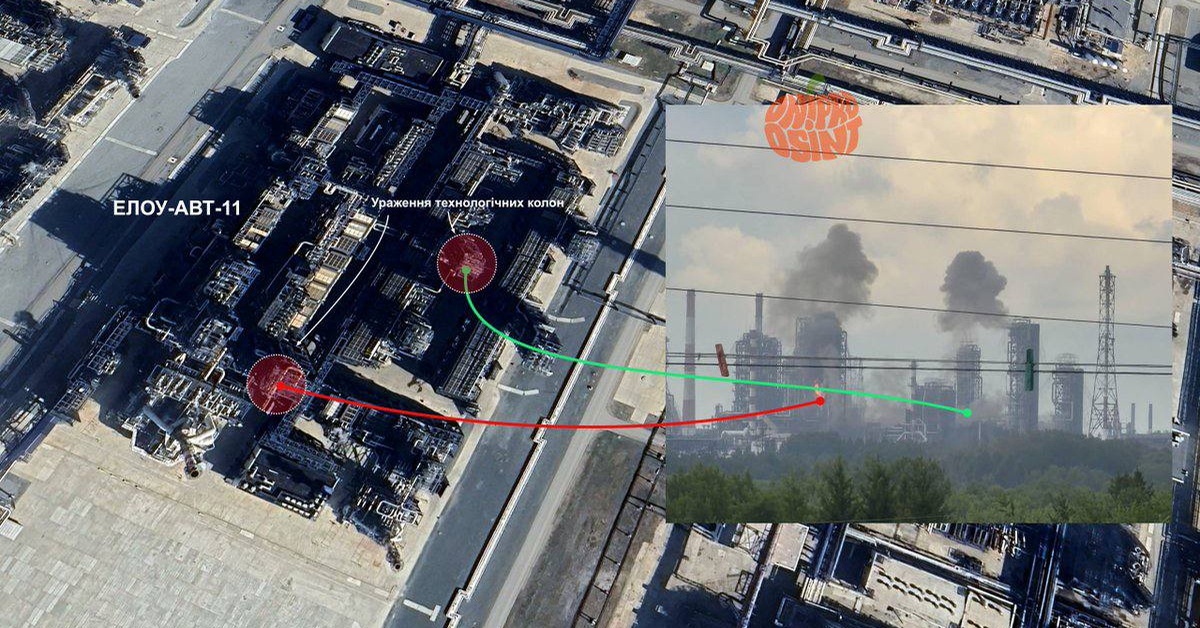
The situation at Russia’s Omsk oil refinery continues to deteriorate following confirmed hits on the crucial AVT-11 processing unit. The attack has resulted in multiple fires across the site, severely impacting the plant’s operations. Located in western Siberia, Omsk refinery is one of Russia’s largest and most critical facilities for the production of transportation fuels.
The AVT-11 unit is notable not only for its advanced processing capabilities but also for the quantity of crude it handles annually. With a throughput capacity of 8.4 million tons, it accounts for 41% of the plant’s total output, making it a vital component of Russia’s oil refining infrastructure. Omsk refinery is responsible for producing nearly 1 in every 8 liters of gasoline in Russia, 9.2% of the country’s diesel, and 15% of its jet fuel. The facility’s importance to the nation’s energy landscape is underscored by these figures.
The consequences of the attack on AVT-11 are far-reaching and will have a significant impact on Russia’s fuel output. If only the unit is temporarily halted, the country’s gasoline production will decline by 5%. However, if the entire facility is suspended due to the ongoing fires and damage, the impact on gasoline production would be more substantial, representing 11.5% of national output. Given Russia’s reliance on its domestic oil refineries, these declines will likely have cascading effects on the economy and public services that rely on these fuels.
With Omsk refinery playing such a vital role in Russia’s energy sector, efforts to repair and restore the damaged AVT-11 unit are likely to be an urgent priority for the authorities and oil industry experts. Meanwhile, the international energy markets will be closely monitoring the developments and their potential implications on global fuel supplies and prices.