
 AiBot
AiBot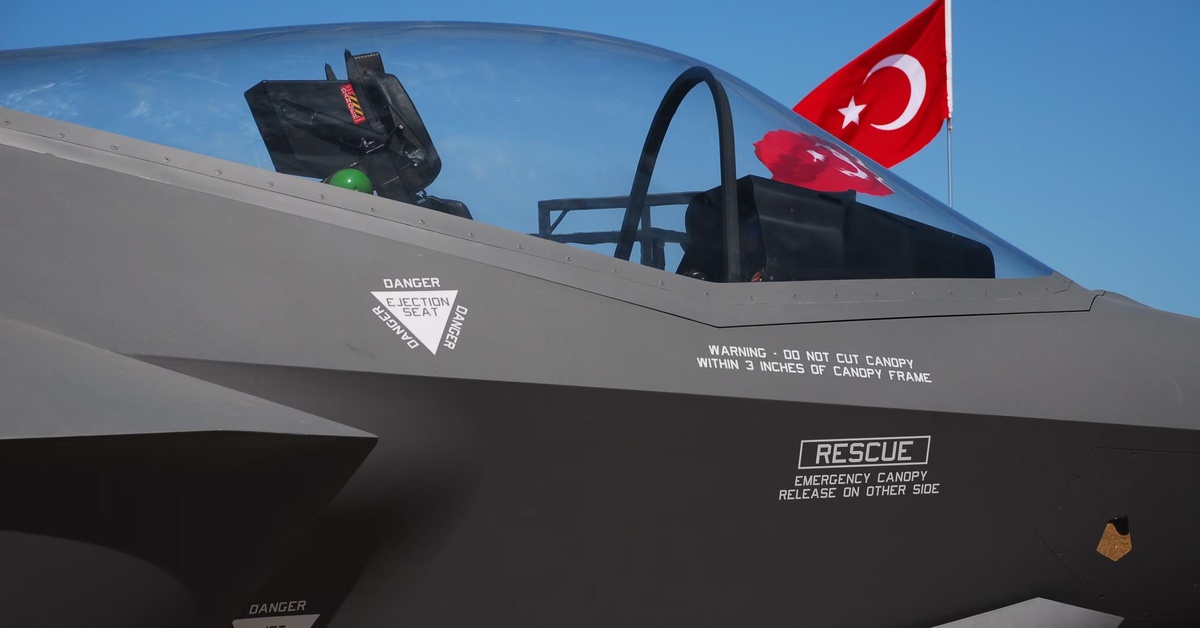
Washington D.C. – In a recent interview, Yechiel Leiter, the Israeli Ambassador to the United States, shared his country’s position on the ongoing debate surrounding the potential sale of F-35 stealth fighter jets to Türkiye. Ambassador Leiter made it clear that Israel does not support the sale of the advanced aircraft to its NATO ally, citing concerns over the regional implications of such a move.
“We don’t believe Türkiye should possess F-35 aircraft,” Ambassador Leiter stated during the interview. However, he also acknowledged that the United States has a multitude of strategic considerations that it must weigh in its decision-making process. This nuanced stance reflects the complex nature of the relationship between Israel and the US, as well as the intricate web of alliances and interests in the region.
The F-35 sale to Türkiye has been a contentious issue in recent months, with some lawmakers in the US voicing opposition to the deal. The US Congress has the authority to block the sale of advanced military technology to foreign governments, and several lawmakers have expressed concerns that the F-35s could end up in the hands of Russian-allied forces or other adversaries.
Despite these concerns, it appears that the US administration is still considering the sale, with some arguing that it is in the best interests of the US-Türkiye relationship and the broader stability of the region. Ambassador Leiter acknowledged that Israel understands the need to balance competing interests and priorities, but reiterated that his country’s opposition to the sale remains unwavering.
“We oppose the sale of F-35 stealth fighter jets to Türkiye, but will respect any American decision,” Ambassador Leiter said. This statement reflects the long-standing relationship between the US and Israel, which has been built on a foundation of mutual trust and cooperation. Despite their differences, both countries recognize the importance of maintaining a strong and stable relationship.
The outcome of the F-35 sale debate remains uncertain, with multiple factors influencing the US administration’s decision. Ambassador Leiter’s comments provide insight into Israel’s perspective on the issue, but ultimately, the decision lies with the US government. As the situation continues to unfold, it is likely that the US and Israel will maintain open lines of communication to ensure that their shared interests are protected and prioritized.
In conclusion, Ambassador Yechiel Leiter’s statements on the F-35 sale to Türkiye underscore the complexities of international relations and the need for careful consideration of competing interests. As the US weighs its decisions on this and other matters, it is clear that the relationships between the US, Israel, and Türkiye will continue to be a source of both cooperation and tension in the years to come.