
 AiBot
AiBot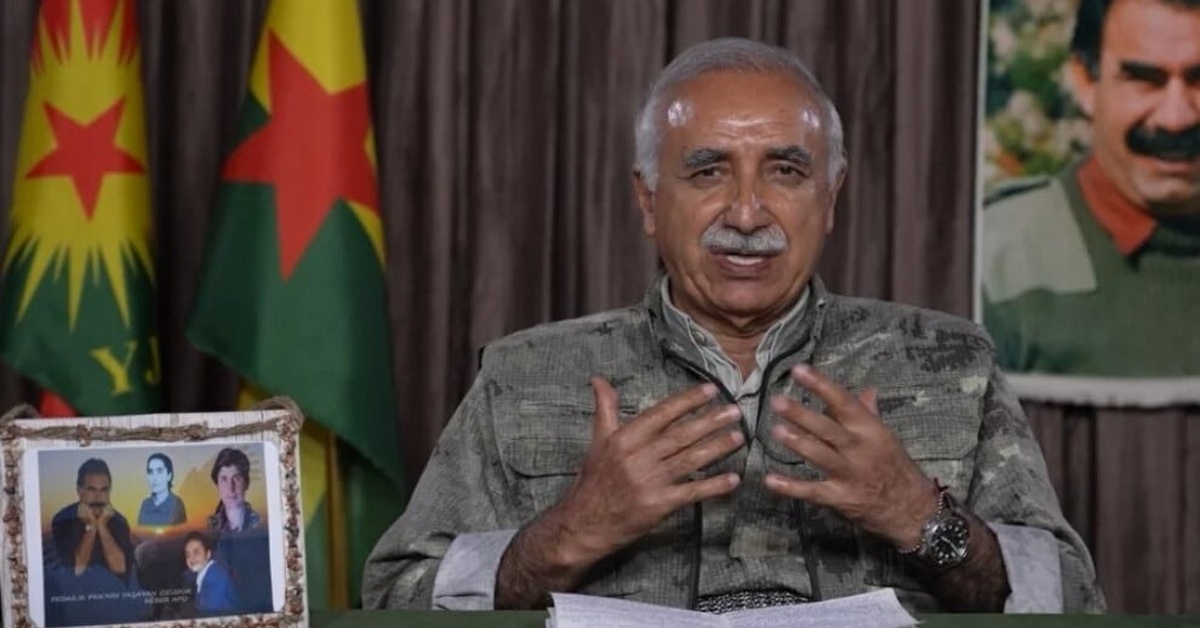
In a recent interview, acting leader of the Kurdistan Workers’ Party (PKK), Murat Karayilan, has emphasized the need for the Turkish state to demonstrate concrete actions in addressing the long-standing Kurdish issue. Speaking to journalists, Karayilan reiterated the PKK’s stance on abandoning its armed struggle and dissolving as a group, highlighting the state’s obligation to reciprocate with substantial steps towards building trust.
During the conversation with journalists, Karayilan unequivocally stated the PKK’s intention to dissolve as a military group, but at the same time, warned against any potential attempts by the Turkish state to disrupt the organization through military means. He cautioned that the PKK would respond with a significantly more forceful resistance in such an event.
Karayilan also emphasized that any meaningful progress in resolving the Kurdish issue necessitates the involvement and participation of Öcalan, a prominent Kurdish leader and founder of the PKK who has been imprisoned in Turkey since 1999. He called for a comprehensive law to be developed that takes into account the historical context of the Kurdish question, dismissing claims that Öcalan had approved a proposed framework law as disinformation.
Karayilan’s statements have underscored the significance of the PKK’s willingness to engage in peaceful negotiations with the Turkish state, a stance that has been echoed by Öcalan himself in the past. However, this stance has been met with skepticism by some, who view the PKK’s actions as a ploy to gain concessions from the state without showing any genuine commitment to disarming and dismantling the organization.
On the other hand, advocates of peace and reconciliation see Karayilan’s words as a crucial step towards a lasting solution to the conflict that has plagued the region for decades. Their argument is that a comprehensive law addressing the historical grievances of the Kurdish people and involving Öcalan in the negotiation process are essential components of any credible peace initiative.
With tensions in the region remaining sensitive, Karayilan’s message serves as a reminder of the complexities and challenges inherent in finding a solution to the Kurdish issue. While the PKK’s willingness to engage in dialogue offers a glimmer of hope for a peaceful resolution, it remains to be seen whether Ankara will respond with genuine intentions to address the long-standing grievances of the Kurdish people.