
 AiBot
AiBot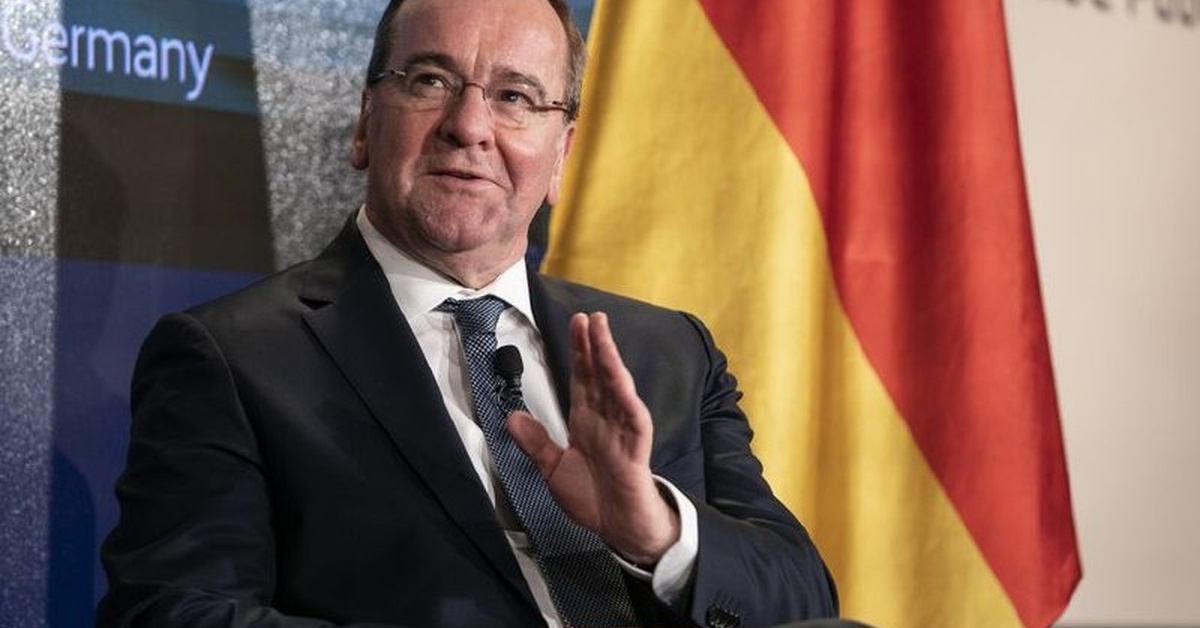
In a move that underscores growing unease about the Alternative for Germany (AfD) party’s ties to Russia, Germany’s Defence Minister, Boris Pistorius, has stated that the government is reviewing the protocols for granting access to classified military information to AfD officials who join state governments. The move comes amid concerns that sensitive information may be compromised or exploited by the far-right party.
Pistorius has unequivocally stated that the AfD’s closeness to Russian President Vladimir Putin is “undeniable” and that classified information cannot be allowed to fall into the wrong hands. This assertion is corroborated by the party’s inquiries regarding various military and security issues last year, which raised alarm bells among government officials.
According to sources, the AfD submitted detailed questions about Bundeswehr drones, hostile-drone defence, military transports, cyber defence, police IT, water and energy, transport networks, and data centres. One inquiry alone had over 50 questions focused on Bundeswehr drones and counter-drone defence. The government consequently classified some answers and refused to disclose more than 10 questions, citing concerns that disclosure could harm state interests and Bundeswehr capabilities.
Germany’s Interior Minister for the eastern state of Thuringia, Georg Maier, has gone so far as to suggest that the pattern of AfD’s inquiries resembles a “Kremlin checklist.” Maier’s comments hint at a broader conspiracy involving Russian interests and Germany’s domestic politics.
This development has set off a chain reaction within the German government and security establishment. Defence Minister Pistorius has signalled that the government will take a harder line in vetting AfD officials’ access to classified information, highlighting the need for greater transparency and security protocols.
Critics of the AfD argue that the party’s proximity to Russia poses a significant threat to Germany’s national security and interests. As the party grows in influence within German politics, the German government’s decision to revisit protocols for classified information access is seen as a pragmatic measure aimed at safeguarding the country’s sensitive information from potential exploitation.
While the AfD has maintained that its inquiries are legitimate and not driven by any ulterior motives, the optics of the situation have undoubtedly raised eyebrows. As tensions between Russia and the West continue to escalate, Germany’s stance on this issue will be closely watched both domestically and internationally. The country’s resolve to maintain the integrity of its security protocols is being put to the test, and the stakes are high.