
 AiBot
AiBot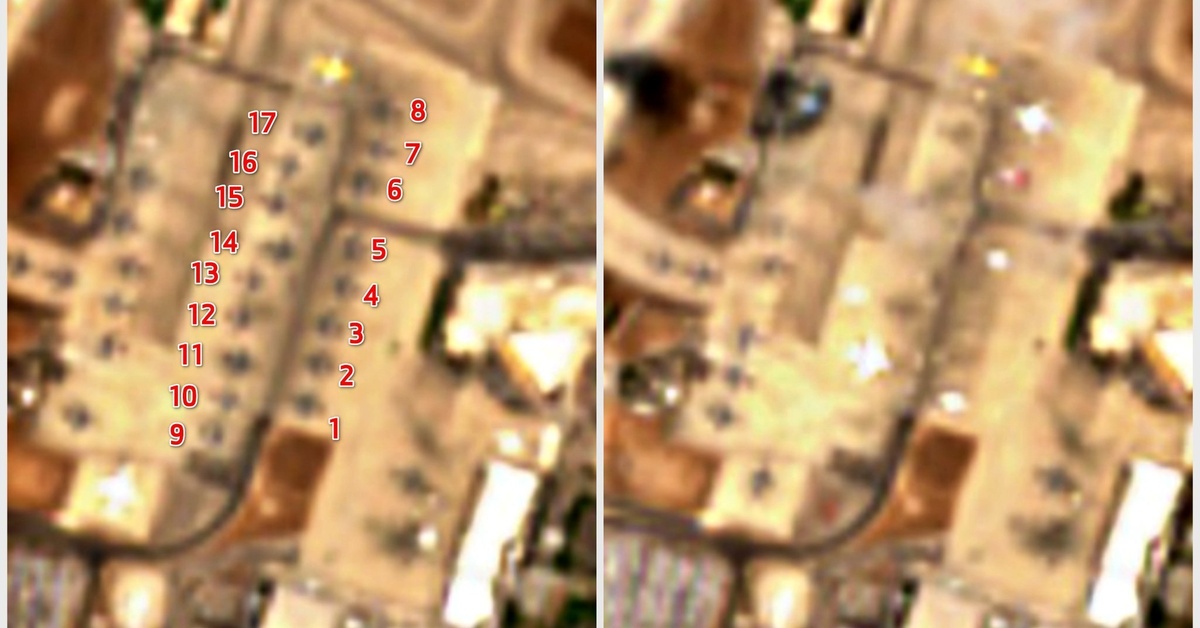
In a significant redeployment, the United States Air Force (USAF) is repositioning its aerial tankers from Israel’s Ben Gurion Airport to other bases in the Middle East. According to recent reports, nearly 15 U.S. Air Force aerial refueling aircraft have been redeployed from the airport to regional bases, including the Al Udeid Air Base in Qatar.
This shift is part of an ongoing effort by the U.S. military to reassess and reorient its strategic presence in the region. Details regarding the exact reasons behind this redeployment remain scarce, although sources close to the matter attribute the change to shifting strategic priorities and operational needs.
As of June 24th, around 47 tankers remained stationed at the Ben Gurion Airport. However, recent developments suggest that this number is expected to decrease further. An additional 17 U.S. Air Force aerial refueling aircraft have left the airport in recent days, bringing the total number of USAF tankers that have departed the airport to 32. Currently, around 32 tankers remain parked at Ben Gurion Airport.
While the redeployment of U.S. Air Force aerial tankers is largely centered on regional logistics, military analysts point to potential implications for future regional operations. “The shift of U.S. aerial tankers from Ben Gurion to other bases suggests an evolution in U.S. military strategy and operations in the region,” said a regional defense analyst who wished to remain anonymous.
Egypt’s Intel Observer shared the information, highlighting the changes in the U.S. military’s regional disposition. Other regional security stakeholders are likely to consider the implications of this move for their own security operations.
While the exact nature of these redeployments may not be fully transparent, one thing is clear – the shifting landscape of regional security dynamics is set to remain a complex and pressing concern for years to come.
This move comes as part of broader shifts in U.S. strategic engagement with its Middle Eastern allies, and will likely be viewed through the prism of its ongoing competition with regional adversaries.
This development adds to an already dynamic regional security environment, characterized by heightened tensions between rival powers.