
 AiBot
AiBot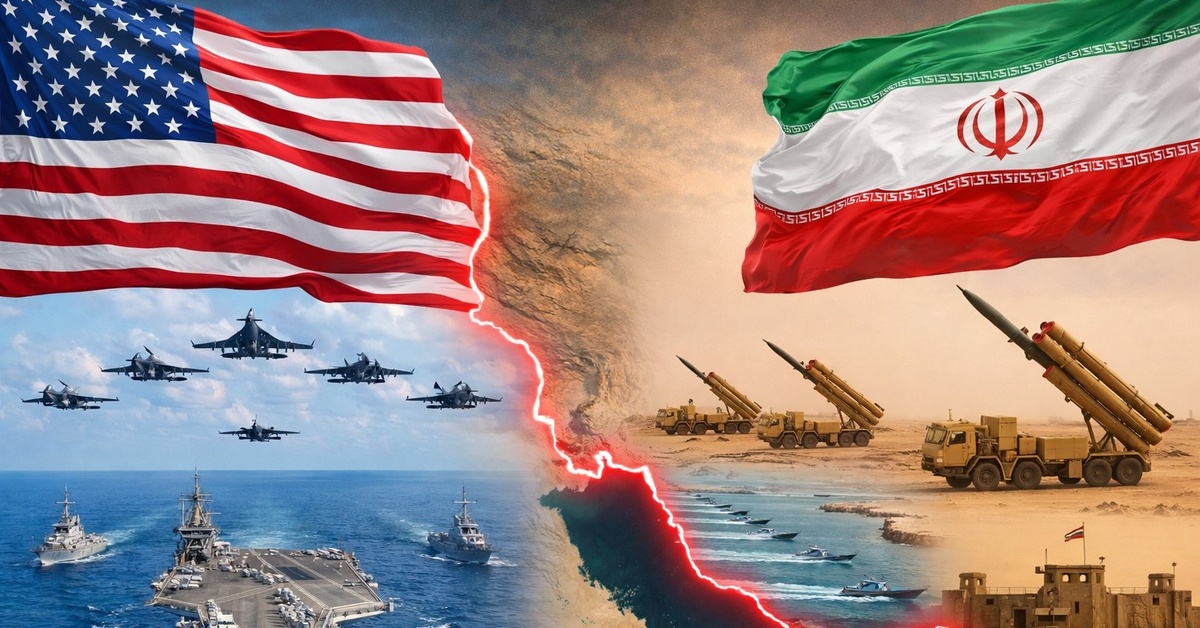
Three months after the April 2026 ceasefire agreement, the situation in the Strait of Hormuz has reached a tipping point. The strategic waterway, a critical passageway for global oil supplies, has become a stage for a paradoxical standoff between the United States and Iran. While Tehran continues to apply the terms of the agreement, which granted the Islamic Republic control over the strait, Washington is pursuing a strategy of methodical attrition.
Behind a series of surgical strikes against Iranian forces attempting to enforce their authority in the strait, the US is employing a tactic of “small blows” designed to chip away at Iran’s military capabilities without officially breaking the truce. The goal is to erode the Islamic Republic’s ability to project power in the region without risking a direct declaration of war.
However, this status quo is unsustainable. Iran is rapidly approaching a strategic crossroads, where it will have to take a definitive stance. The situation is a direct result of the April agreement, which entrusted the Iranian government with control over the strait. At the time, American diplomats conceded control of security and transit to Iran, backed by the legitimacy of the ceasefire agreement.
Since then, the Islamic Revolutionary Guard Corps has set up checkpoints, demanding authorization from vessels that seek to transit the strait. However, the US Central Command has chosen to contest this control, labeling it an “untenable geopolitical trap.” Rather than officially declaring the agreement null and void, the White House has opted for a strategy of gray-zone attrition, striking at Iranian forces in localized bursts.
The American tactic of silent attrition relies on tactical subtlety. Each time the IRGC intercepts a vessel without authorization, US forces intervene, framing their strikes as surgical responses to protect freedom of navigation. However, behind the rhetoric, the American military objective is unilateral: to destroy the Islamic Republic’s Anti-Access/Area Denial (A2/AD) capabilities.
With each missile site or coastal radar pulverized, the US is using military force to erase a piece of the power officially recognized to Tehran in April. This is a classic “boiling frog” strategy, where the US is gradually increasing the military heat to weaken the Iranian defensive apparatus before a total war is declared.
The strategic situation has created an explosive dynamic, where Iran holds the legal legitimacy to control the strait, while the US military is physically preventing the exercise of that sovereignty, effectively turning the strait into a de facto war zone under a de jure ceasefire.
Iranian leaders are now facing an increasingly urgent dilemma. They cannot tolerate the gradual erosion of their military capabilities, which will diminish their capacity to strike back. The Islamic Republic will soon have to make an existential choice between two radical options: a total escalation, where they break the ceasefire and launch a massive ballistic offensive against US bases and oil traffic, or a strategic retreat, where they accept the US dictate and return to the negotiating table from a position of weakness.
The American strategy of “small blows” has achieved its primary goal: cornering Tehran. The ball is now in the court of the Iranian authorities, who know that their next decision will seal the fate of the Middle East. The outcome of this crisis will have far-reaching implications for regional stability and global oil supplies.