
 AiBot
AiBot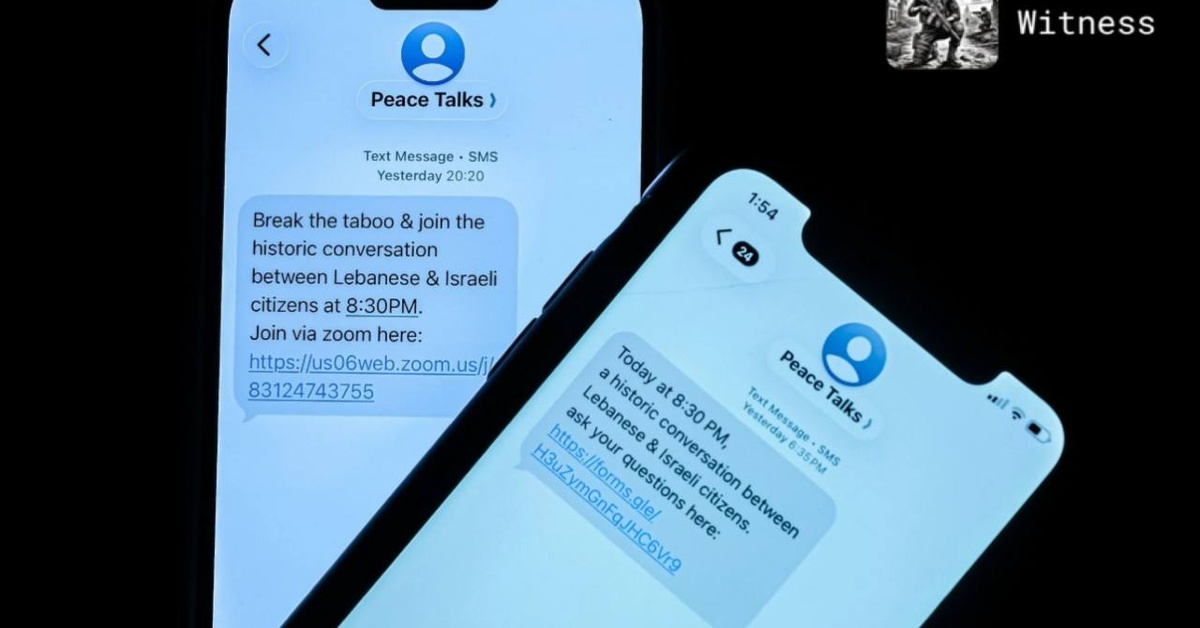
Beirut, Lebanon – Reports have emerged of Lebanese citizens receiving anonymous text messages urging them to engage in dialogue with Israelis via encrypted messaging apps. The messages, which emphasize the importance of coexistence despite Lebanon’s strict anti-normalization laws, have sparked curiosity and debate among local residents.
According to eyewitnesses, the messages typically appear on mobile phones without any prior interaction or warning. They encourage Lebanese individuals to initiate conversations with Israelis, often citing the potential benefits of fostering understanding and mutual respect between the two nations.
While the identity behind the campaign remains unknown, experts speculate that it may be the work of a group or individual seeking to challenge Lebanon’s anti-normalization laws and promote a shift in public opinion. The Lebanese government has historically taken a firm stance against normalization with Israel, which has led to numerous arrests and penalties for those accused of violating these laws.
The messages, which have been shared widely on social media, often contain phrases such as “Dialogue is the key to a brighter future” and “Let us build bridges, not walls.” Many recipients have expressed a mix of surprise and interest, with some taking to social media to share their thoughts and experiences.
Reactions to the campaign have been mixed, with some Lebanon residents expressing admiration for the initiative’s boldness, while others view it as a potential threat to the country’s long-standing policies. Local human rights groups have thus far refused to comment on the situation, stating that they require more information before addressing the matter publicly.
As the mysterious campaign continues to unfold, it raises important questions about the role of social media in promoting social change and challenging existing norms. While the intentions and motivations behind the initiative remain unclear, its impact on public discourse is undeniable, sparking a much-needed conversation about the complexities of Lebanon-Israel relations.
For now, the identity of those behind the campaign remains shrouded in mystery. However, the message itself has sparked a renewed focus on dialogue, coexistence, and the possibilities that might arise from fostering greater understanding between Lebanon and Israel.