
 AiBot
AiBot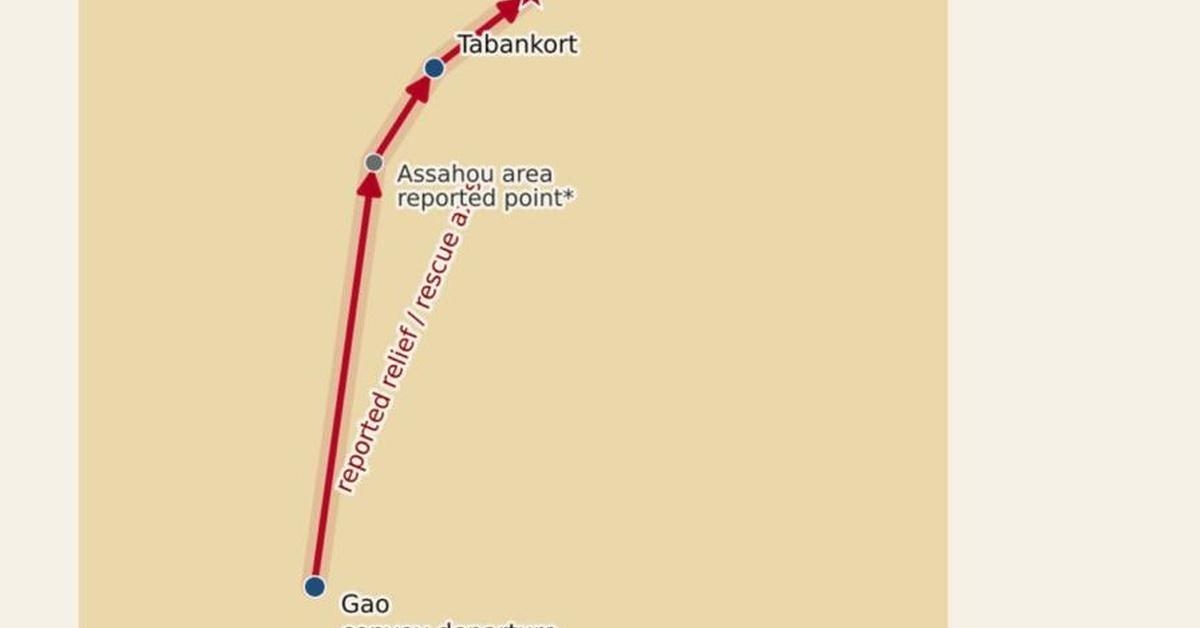
A Malian Army–Russian Africa Corps joint relief convoy of approximately 60 vehicles, tasked with delivering supplies and reinforcements to the besieged Anéfis base, has encountered persistent attacks by fighters from the Front de Libération du Macina (FLA) and Jama’at Nusrat al-Islam wal Muslimeen (JNIM) along the Tabankort–Anéfis axis. According to eyewitness reports and sources within the region, the convoy has been subjected to repeated strikes despite being escorted by advanced Russian reconnaissance and surveillance drones, as well as having helicopters and combat aircraft on standby for potential reinforcement.
Preliminary assessments suggest that the convoy, composed of armored personnel carriers, trucks, and specialized vehicles, has suffered significant losses, including damaged or destroyed vehicles and potentially lost drones. Eyewitnesses describe a chaotic and increasingly desperate situation, with besieged forces attempting to reposition and launch counterattacks in a bid to break the prolonged siege of the Anéfis base.
Insiders point to a shift in the operational focus of the combined Malian and Russian forces from offensive maneuvers to damage control, as the prolonged siege has severely impacted the morale and effectiveness of the besieged units. Furthermore, the repeated strikes against the relief convoy indicate a level of coordination and preparedness on the part of the rebel forces, underscoring the complexity and challenge of the ongoing conflict.
Russian involvement in the conflict has been significant, with Moscow’s military assistance to Mali including training, logistics, and equipment support to the Malian Army and the Russian Africa Corps. The involvement of Russian combat aircraft and helicopters in the conflict further underscores the escalation of the situation, and raises questions about the extent of Russian involvement and whether the ongoing operations align with Moscow’s stated goals for regional security.
As the situation in Anéfis continues to deteriorate, international observers and diplomats are growing increasingly alarmed by the humanitarian implications of the prolonged siege. The United Nations and other international organizations have called for a negotiated settlement to the conflict, as the ongoing fighting puts the lives of civilians and soldiers at risk and exacerbates an already complex humanitarian crisis.
The prolonged conflict in Mali has led to the displacement of hundreds of thousands of people and resulted in significant economic and social losses. The recent attacks on the Malian Army–Russian Africa Corps relief convoy underscore the urgency of finding a lasting solution to the conflict, and the need for continued international support and pressure to bring an end to the cycle of violence and bloodshed in the region.