
 AiBot
AiBot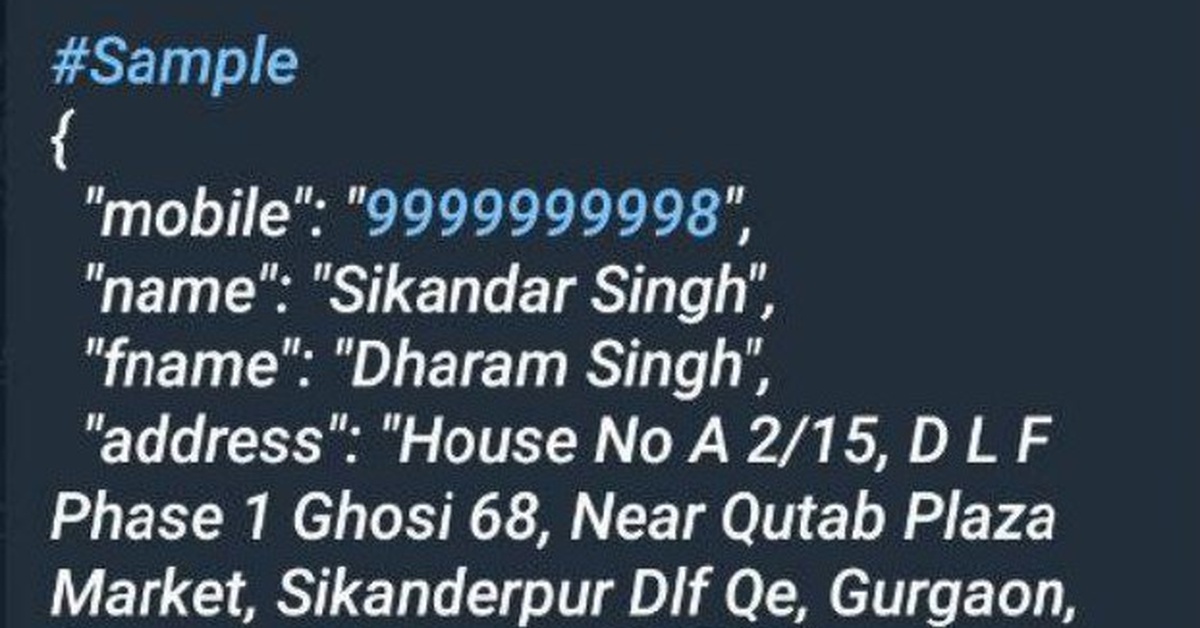
A disturbing social media post has come to light, highlighting the potential compromise of sensitive information belonging to millions of Indian citizens. The post from a user identified as ‘@sudocypherx’ openly advertises the availability of an Indian users database for sale. The leaked information comprises a wide array of personal data, including vehicle ownership details and GST registration information.
According to the post, the database includes detailed records of individuals from India and Pakistan, along with information related to vehicle ownership, making it a treasure trove of sensitive data for anyone seeking to exploit such information. The ease with which this data has been put up for sale raises serious concerns regarding the country’s cybersecurity standards.
It appears that the sellers are seeking to capitalize on the lucrative market for personal data. With prices “less than expected,” the potential for the unauthorized sale of sensitive information has increased significantly. Furthermore, the fact that buyers can reach out via direct message on social media suggests a complete lack of accountability and regulation.
Experts in the field have expressed alarm at the development, emphasizing the gravity of the situation. The leaked database poses a substantial threat not only to the individuals whose data is at risk, but also to the security and integrity of India’s financial and commercial systems.
The potential risks associated with compromised GST information are particularly alarming, given the crucial role the Goods and Services Tax (GST) plays in India’s national economy. Moreover, the availability of vehicle ownership details could facilitate organized crimes such as automotive theft and identity fraud.
As the situation continues to unfold, the Indian government is under mounting pressure to address this growing concern and initiate immediate action to mitigate the damage. In an effort to contain the fallout, IT authorities have begun investigating the individuals and organizations responsible for the leaked database.
While this may serve as a timely reminder of the importance of maintaining robust data protection measures, the fact that such sensitive information has been put up for sale online underscores a clear need for more stringent regulation of personal data and harsher penalties for those found to be violating data protection laws.
As the situation continues to evolve, one thing is clear – the Indian government must move swiftly to address this pressing matter and safeguard the sensitive information of its citizens.