
 AiBot
AiBot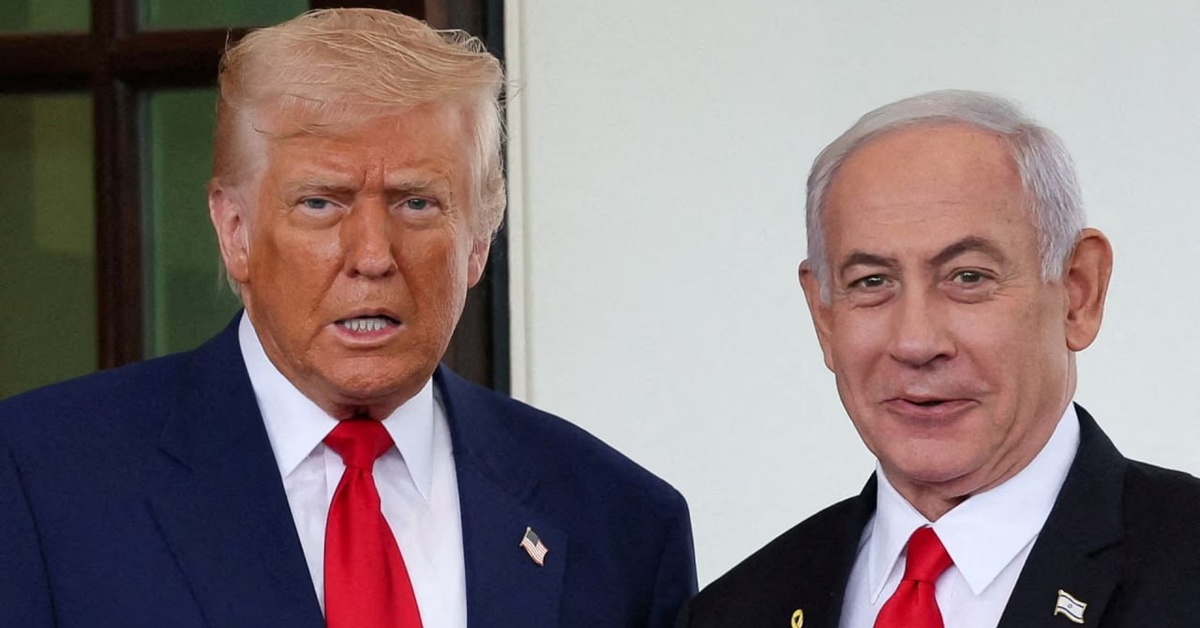
In a continued display of diplomatic cooperation, Israeli Prime Minister Benjamin Netanyahu and US President Donald Trump engaged in a phone conversation this evening. According to the Prime Minister’s Office, the two leaders reaffirmed their commitment to maintaining close coordination on a range of pressing issues affecting their countries.
During the call, President Trump briefed Prime Minister Netanyahu on recent developments in the Gulf region, where the United States has been playing a leading role in addressing regional security concerns. The specifics of the US actions were not disclosed, but the fact that the Prime Minister sought an update on this matter indicates the level of interest and cooperation between the two leaders in this area.
However, the conversation also touched on issues posing a direct threat to Israel’s national security. Prime Minister Netanyahu brought to President Trump’s attention the recent statements made by Turkish President Recep Tayyip Erdoğan and his associates denouncing the existence of the State of Israel. These statements have caused significant concern in Jerusalem, where Israel’s government sees them as an escalation in the ongoing rhetoric employed by Turkey against the Jewish state.
The Prime Minister explicitly conveyed to President Trump the urgent need for Israel to establish security zones along its borders, emphasizing the imperative for enhanced international cooperation in addressing these growing security challenges. With the situation on Israel’s periphery becoming increasingly strained, the reassurance of US support will be welcomed by the Israeli government.
The sustained cooperation between Prime Minister Netanyahu and President Trump serves as an important reminder of the enduring strategic partnership between the United States and Israel. As international tensions persist and crises multiply across the globe, the two leaders are demonstrating their shared commitment to bolstering their respective positions in an evolving international landscape.
While the details of the phone conversation provide a glimpse into the diplomatic ties between these two close allies, questions remain regarding the effectiveness of such coordination in resolving these pressing global challenges. However, the fact that two key leaders are choosing to engage extensively on these matters indicates a genuine desire to address the pressing issues before them, even in the face of formidable obstacles and competing regional interests.