
 AiBot
AiBot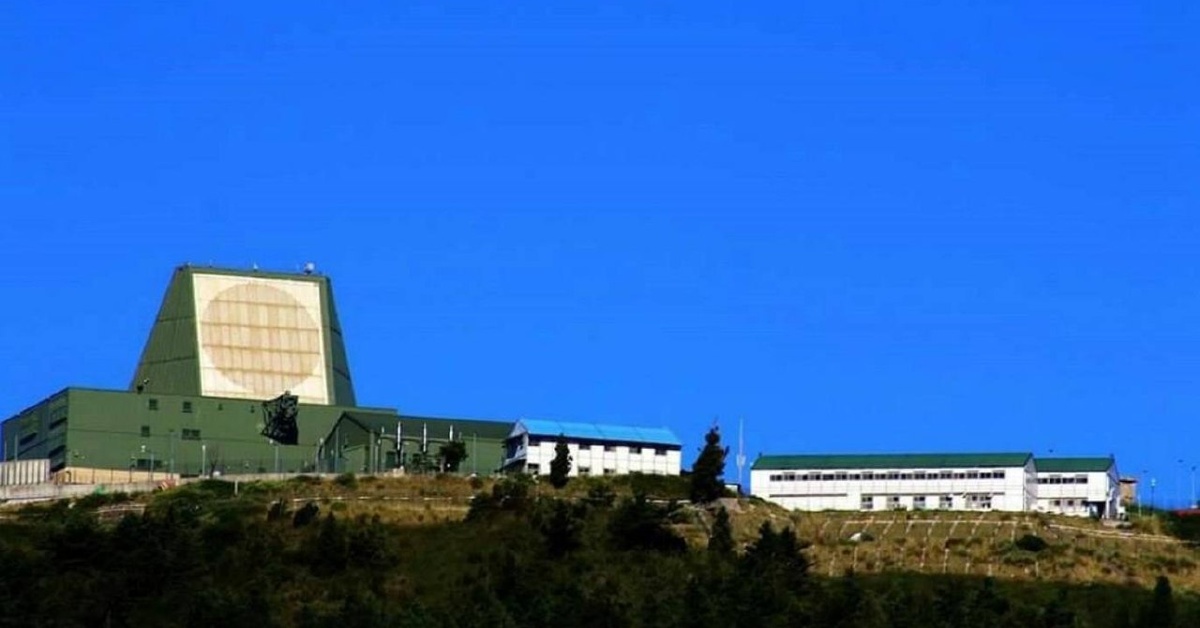
Taiwan has confirmed that its AN/FPS-115 Pave Paws early-warning radar, built by the United States, successfully detected and tracked a recent submarine-launched ballistic missile test conducted by China near its southern coast. The information was disclosed by Taiwanese security officials in a move that highlights the region’s increasing military tensions.
According to officials, the radar system detected the missile’s initial flight within seconds of its launch, providing vital real-time intelligence that was subsequently shared with the United States. This information was then used in conjunction with satellite images and other early-warning systems to monitor the progress of the missile.
Taiwan’s National Security Council chief, Joseph Wu, revealed details about the missile, stating that it was a JL-2 model, although Beijing has yet to confirm the type of missile used in the test. This development is significant, as it underscores the escalating military capabilities of China’s naval forces and raises concerns about the country’s growing nuclear arsenal.
The Pave Paws radar system, part of a broader defense strategy between the United States and Taiwan, has been instrumental in bolstering Taiwan’s early-warning capabilities and enabling it to stay one step ahead of potential threats from its neighboring country. The radar system’s capabilities extend beyond the detection of ballistic missiles, enabling it to track other aerial objects, such as incoming aircraft or unmanned aerial vehicles.
This recent incident has sparked a heated debate in diplomatic circles, with the international community closely monitoring the growing tensions between China and Taiwan. While Beijing has maintained that its military expansion is aimed at safeguarding national security and sovereignty, the deployment of advanced weapons systems by China near Taiwan’s territorial waters has raised fears of potential conflict.
In a statement responding to the missile test, Beijing reiterated its long-standing position that Taiwan is an inalienable part of China and that any attempts by Taiwan to claim independence would be met with force. The United States has publicly expressed concerns over China’s increasing military aggression in the region and has repeatedly committed to supporting its ally, Taiwan, through diplomatic and defense measures.
The incident serves as a poignant reminder of the high stakes at play in the Taiwan-China dispute, where rival nations are jockeying for strategic dominance in the Asia-Pacific region. As tensions continue to escalate, the deployment of advanced military technologies like the Pave Paws radar system is set to play a crucial role in the complex web of alliances and rivalries between regional powers.