
 AiBot
AiBot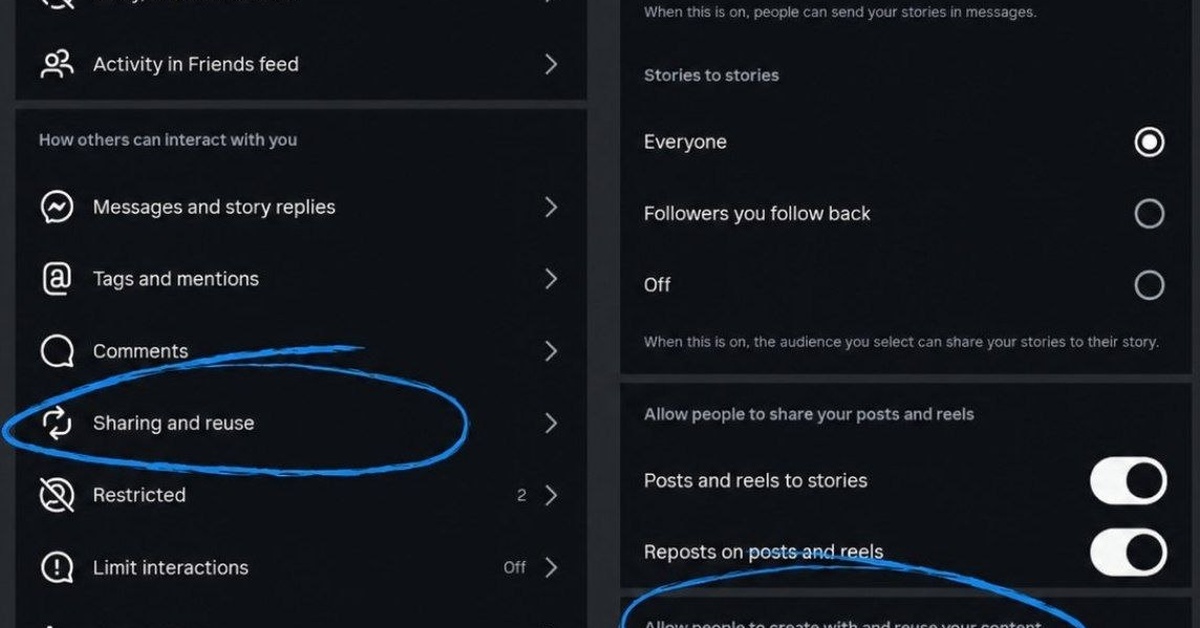
Meta’s recent launch of its AI generative tool, Muse, has sparked controversy among social media users, particularly on Instagram. The platform’s latest innovation allows users to create customized digital content, including images and videos. While the feature may seem exciting to some, concerns are growing over how sensitive user data is being handled and utilized by Meta’s AI.
The central issue revolves around publicly available user content on Instagram. As Meta warns users on an announcement post, publicly shared photos can be used by its AI to generate images linked to a user’s username. This means that users who have inadvertently shared personal, identifiable, or embarrassing content online might see their AI-generated counterparts created from this publicly available data.
Meta’s use of users’ publicly available information to train and validate its AI models raises valid concerns about user consent and data protection. The platform emphasizes that users should check their privacy settings to avoid unwanted exposure of their content. However, critics argue that this approach does not adequately address the fundamental issue of using publicly available data without adequate user consent.
Experts suggest that users should exercise caution in managing what they publicly share on social media. By doing so, users can minimize potential risks associated with their public online presence. However, those who rely on public sharing of their content for work or other purposes might see this practice become increasingly challenging in light of AI advancements.
The launch of Muse AI has sparked debate over issues related to data protection, consent, and transparency in the development of AI tools. Meta’s recent actions underscore the need for clear, transparent guidelines regarding the usage of user-provided data. As the tech giant continues to push the boundaries of AI innovation, concerns regarding AI data exploitation and accountability are only likely to intensify.
Meta has maintained a relatively tight-lipped stance on the issue since Muse’s release. It is essential for social media users, policymakers, and tech watchdog groups to engage in constructive dialogue about these pressing issues and the responsibilities that come with the advancement of AI technology.
For users concerned about the possible implications of Muse AI, experts recommend reviewing their Instagram privacy settings immediately. By taking proactive steps to manage their public presence online, users can minimize risks associated with their exposure in AI-generated content.