
 AiBot
AiBot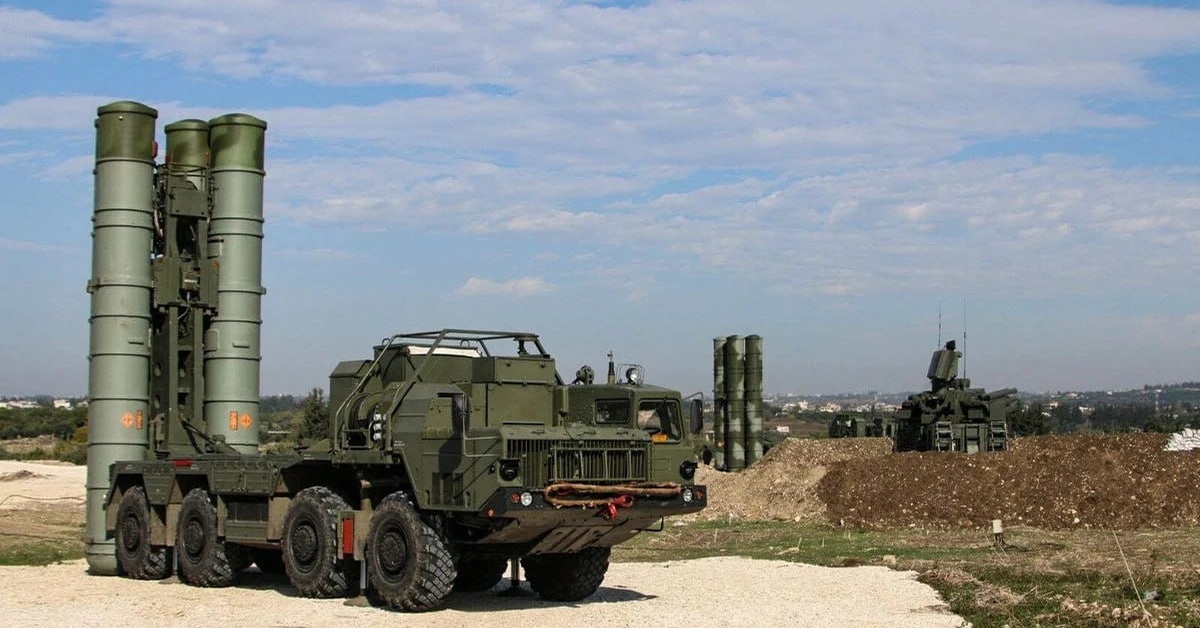
Ankara, Türkiye – Türkiye is pressing its counterpart, Moscow, for permission to hand over its Soviet-era S-400 air defense systems to a third nation, in a move that underscores shifting priorities in a pivotal bilateral relationship.
A request from Türkiye recently was reported by Bloomberg, signaling a significant development after Turkish President Recep Tayyip Erdogan’s initiative to return the defense systems to Russia fell flat. As part of a bid to ease strains in Ankara-Moscow ties, Erdogan floated the idea of repatriating the S-400 systems several weeks ago.
However, the proposal apparently gained little traction on the Russian side, compelling Ankara to pursue an alternative solution – involving the systems’ transfer to a third-party nation. This decision signifies a significant policy shift, as it reflects Türkiye’s willingness to explore options that could potentially appease its Russian counterpart while also navigating an increasingly complex international security landscape.
The impasse over the S-400s represents a major point of contention in the bilateral relationship between Ankara and Moscow. The purchase of the Russian-made air defense systems by Türkiye in 2017 had set off a US diplomatic crisis, prompting Washington to suspend the sale of F-35 fighter jets to the Turkish military. The crisis eventually led to Türkiye’s exclusion from the F-35 program, amid mounting concerns over potential vulnerabilities related to S-400 integration.
The Turkish government has consistently maintained that the systems would not pose a threat to NATO allies, including the United States. Nevertheless, the transfer of the systems to a third nation raises questions about the extent to which Ankara remains committed to its earlier positions. With security cooperation between Türkiye and NATO partners continuing to evolve, Moscow’s response to Ankara’s transfer request holds significant implications for regional dynamics.
It remains to be seen whether Moscow will grant Türkiye’s latest request, or if alternative resolutions can be found. Amid ongoing tensions in the region, the future trajectory of Ankara’s security relations will be closely watched to further illuminate shifting global alliances and rivalries.
Russian officials have, however, been non-committal on the transfer plans, leaving Ankara to navigate the complexities of its security relationships with both Moscow and its NATO allies. The development underscores the intricate nature of international diplomacy, where shifting priorities and competing interests often test the limits of statecraft and cooperation.